Italy vs Spain: Dolce Vita vs Fiesta — The Ultimate European Honeymoon Showdown (2026)
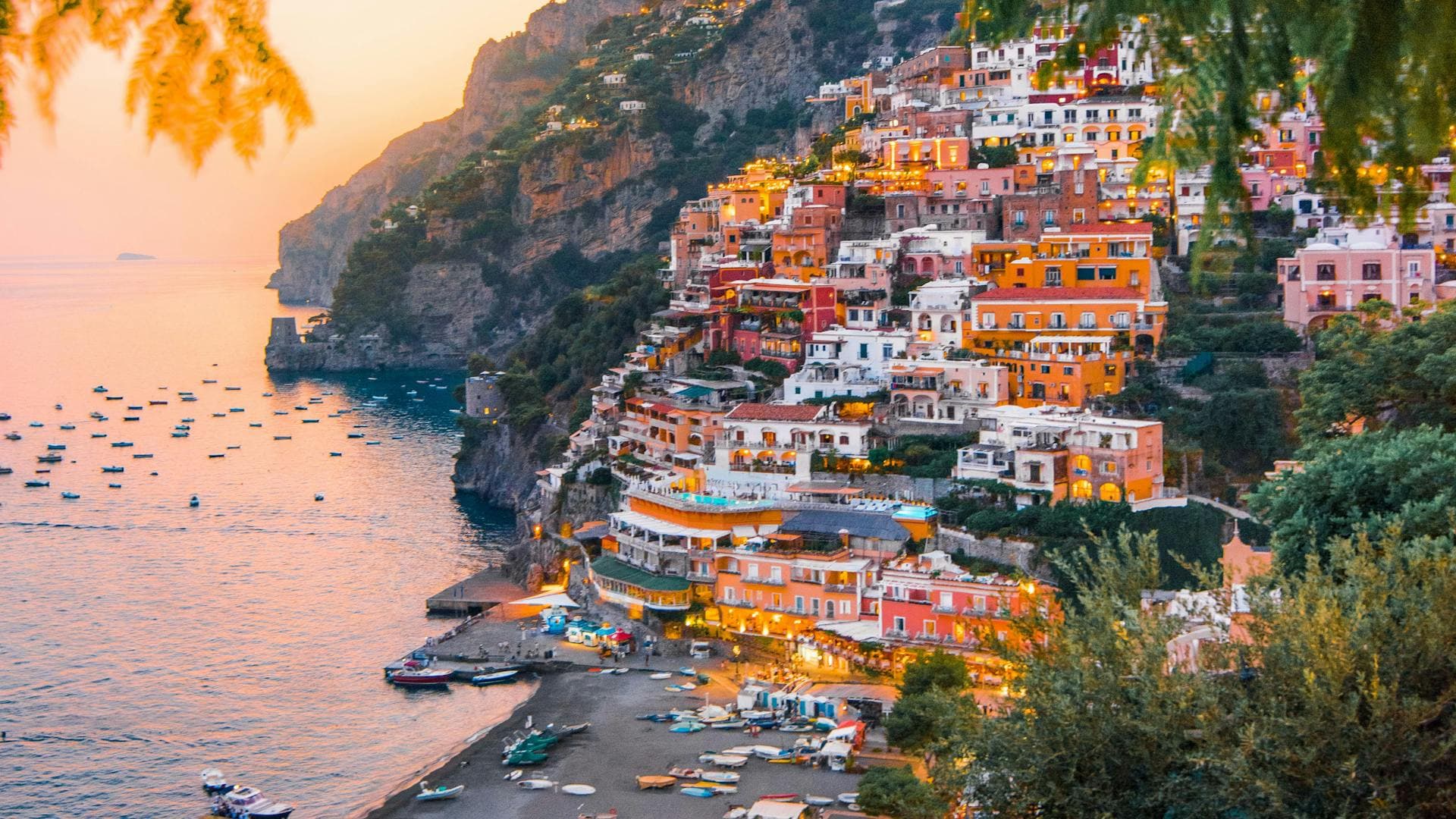
Photo: Pexels
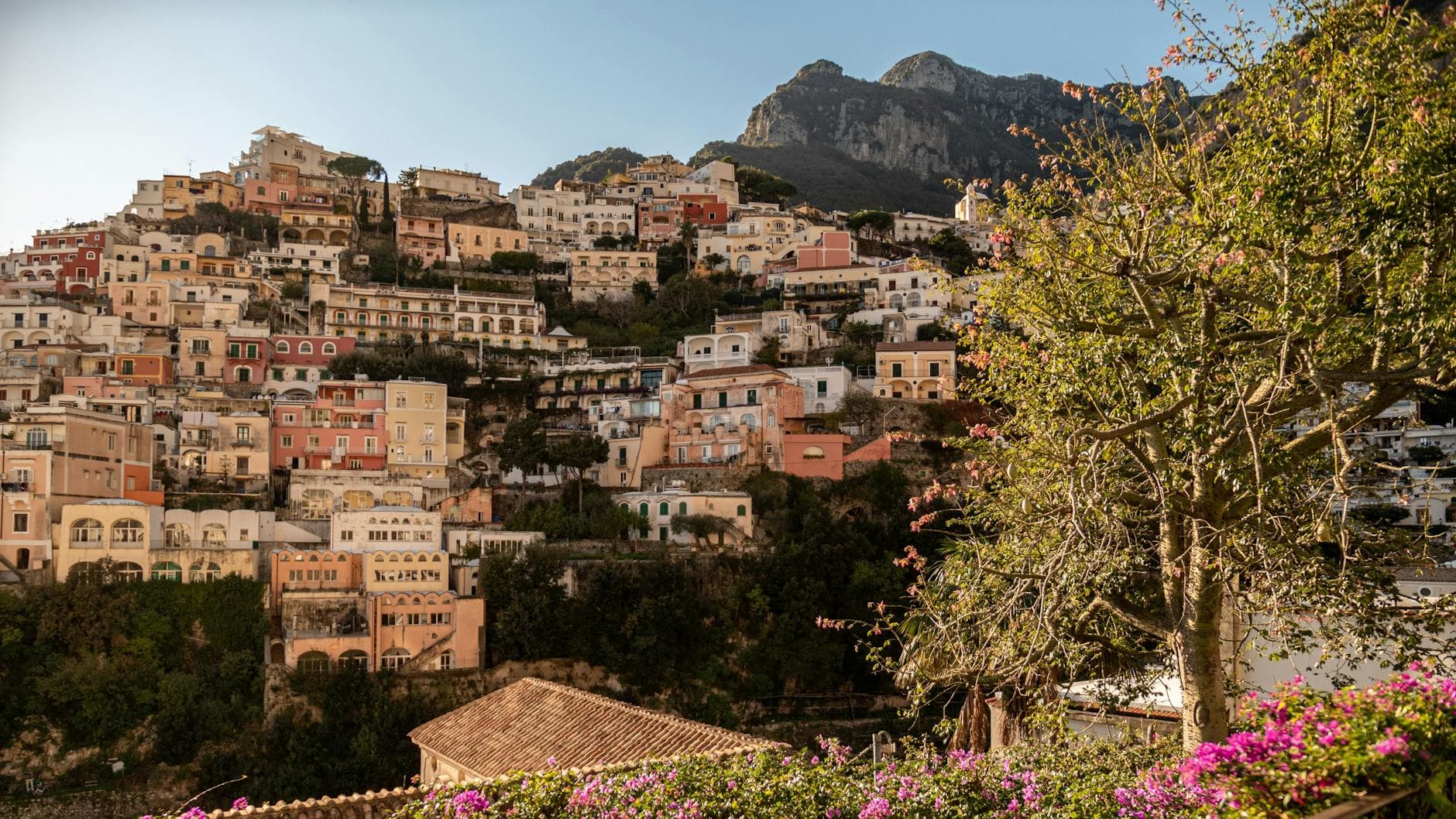
You are sitting on a terrace above the Amalfi Coast, watching the last light turn Positano's tumbling pastel houses a shade of gold that no filter can replicate. Or you are at a rooftop bar in Barcelona's Gothic Quarter, a glass of cava in hand, the Mediterranean glinting beyond Gaudi's unfinished cathedral, and you know dinner will not start until 10 pm because nobody in this city is in any rush. Two countries that have defined European romance for centuries. Two cuisines that have conquered the planet. Two coastlines that make every other stretch of Mediterranean look like it is trying too hard.
Italy and Spain are closer in spirit than most people realise: sun-soaked, food-obsessed, Catholic at their roots, fiercely regional, and absolutely convinced that their grandmother's recipe is the only correct version. But they deliver profoundly different honeymoon experiences. Italy is opera. Spain is flamenco. One whispers romance over candlelight; the other grabs your hand and pulls you onto the dance floor.
This guide compares them across every dimension that matters for couples planning a honeymoon in 2026. If you are specifically weighing Italy against Greece, we have a dedicated comparison for that. If you want the deep dive on Italy's best region, see our Amalfi Coast Honeymoon Guide or the full Italy Honeymoon Guide.
Affiliate disclosure: Some links in this guide earn us a commission at no extra cost to you. We only recommend properties and services we would book ourselves.
Table of Contents
- Quick Verdict
- At a Glance
- Getting There
- Best Time to Visit
- Best Time to Book
- Beaches & Scenery
- Hotels & Resorts
- Food & Dining
- Wine & Drinks
- Activities & Experiences
- Nightlife & Evening Scene
- Romance Factor
- Culture & History
- Safety & Practical Info
- 7-Day Itineraries
- Cost Breakdown
- When to Choose Each
- Our Verdict
- Keep Exploring
- FAQ
Quick Verdict
Choose Italy if your honeymoon fantasy involves winding coastal roads above turquoise water, candlelit dinners in medieval hill towns, Renaissance masterpieces, and a food culture so impossibly deep that every region feels like a different country. Italy is the quintessential European romance: slower, more intimate, more cinematic.
Choose Spain if you want a honeymoon with energy: late-night tapas crawls, world-class beaches you actually want to swim at, flamenco in a Seville courtyard, architectural audacity in Barcelona, and a cost of living that lets you upgrade everything without blowing your budget. Spain is the honeymoon that feels like an adventure.
Italy wins on pure romance. Spain wins on value, beaches, and nightlife. Neither is a mistake.
At a Glance: Italy vs Spain
| Category | Italy | Spain |
|---|---|---|
| Best For | Classic romance, food obsessives, art + history lovers | Beach lovers, night owls, couples who want energy + value |
| Avg Daily Cost (couple) | $350–$700 | $250–$500 |
| Total 7-Night Trip (mid-range) | $6,000–$9,000 | $4,500–$6,500 |
| Flight Time (NYC) | 8–9h nonstop to Rome | 7.5–8.5h nonstop to Madrid/Barcelona |
| Flight Time (London) | 2–2.5h to Rome | 2–2.5h to Barcelona/Madrid |
| Best Months | May–June, Sept–Oct | May–June, Sept–Oct |
| Passport Required | Yes (Schengen, 90-day visa-free for US/UK/CA/AU) | Yes (Schengen, same rules) |
| Currency | Euro (EUR) | Euro (EUR) |
| Beach Quality | Good to excellent: rocky coast, beach clubs | Outstanding: sandy, varied, Mediterranean + Atlantic |
| Food Scene | The global gold standard | World-class: tapas culture, Michelin density in Basque Country |
| Nightlife | Elegant but early: most Italians eat by 9pm | Legendary: dinner at 10pm, bars until 3am, Ibiza exists |
| Romance Vibe | Intimate, cinematic, whispered | Passionate, rhythmic, alive |
| Value for Money | 6/10 | 9/10 |
| Our Rating | 9/10 | 8.5/10 |
Getting There
Italy
Rome's Fiumicino (FCO) is the main transatlantic gateway. Nonstop flights from New York run 8–9 hours on Delta, ITA Airways, United, and American, with round-trip fares typically $500–$1,100 per person. Milan Malpensa (MXP) also receives direct US flights, useful if starting in Lake Como or the Italian Riviera. From London, budget carriers reach a dozen Italian cities for $50–$200 return.
Italy's high-speed rail is a genuine honeymoon asset. Rome to Florence in 1.5 hours. Florence to Venice in 2 hours. Rome to Naples in 70 minutes. All on Trenitalia's Frecciarossa or Italo, $25–$80 per person, clean and punctual. The Amalfi Coast requires more effort: train to Naples or Salerno, then SITA bus or private transfer (budget 2–3 hours from Rome door to door).
Spain
Madrid Barajas (MAD) and Barcelona El Prat (BCN) both receive nonstop flights from the US. New York to Madrid runs 7.5–8 hours on Iberia, Delta, and United; New York to Barcelona is similar on Level, Iberia, and United. Round-trip fares: $450–$1,000 per person: consistently $50–$150 cheaper than Italy. From London, budget carriers (Ryanair, easyJet, Vueling) reach Barcelona, Madrid, Malaga, Seville, Palma, and Bilbao for $40–$180 return.
Spain's internal transport is excellent. The AVE high-speed train connects Madrid to Barcelona (2.5 hours), Madrid to Seville (2.5 hours), and Madrid to Malaga (2.5 hours), all for $30–$80 per person. Vueling and Iberia Express run domestic flights to the Balearic Islands (Mallorca, Ibiza, Menorca) for $30–$100 one-way. Barcelona to Mallorca is a 45-minute flight.
Winner: Spain
Slightly cheaper flights from North America, equally good high-speed rail, and more budget airline options for domestic hops. Both countries have excellent internal connectivity, but Spain's direct transatlantic service to Barcelona gives beach-bound couples a head start.
Best Time to Visit
| Month | Italy | Spain |
|---|---|---|
| January–March | Cold in the north, mild in the south, low crowds | Cold in Madrid, mild on coasts, quiet everywhere |
| April | Beautiful spring, Easter in Rome, wildflowers on Amalfi | Seville's Feria de Abril, warm in the south (20–25 C) |
| May | Ideal: warm (20–25 C), manageable crowds | Ideal: warm (22–28 C), beaches opening, low crowds |
| June | Excellent: hot but pleasant, especially on coast | Excellent: hot (28–33 C), long evenings, lively cities |
| July | Peak season: very hot inland (35 C+), crowded coast | Peak season: very hot inland (38 C+ in Seville), beach packed |
| August | Italians on holiday, cities empty, coast mobbed | Spaniards on holiday, Barcelona + coast at capacity |
| September | Sweet spot: warm, fewer tourists, harvest season | Sweet spot: warm seas, thinning crowds, better prices |
| October | Mild, grape harvest in Tuscany, shoulder pricing | Still warm on coast (22–26 C), excellent in Andalusia |
| November–December | Christmas markets in the north, quiet south | Mild south, Christmas lights in Madrid + Barcelona |
Italy's sweet spot: May through June and September through October. Tuscany's grape harvest in October is extraordinary: golden light, fewer tourists, and every trattoria running seasonal menus built around porcini and truffles.
Spain's sweet spot: May through June and September through October. But Spain has a wider comfort window. Coastal temperatures stay pleasant into late October, and southern Spain (Andalusia) is genuinely enjoyable in April and November when Italy starts to feel off-season.
Winner: Spain (slight edge)
Spain averages 300+ sunshine hours per year versus Italy's 250–280. Southern Spain gets less rain, stays warmer longer, and the Balearic Islands remain swimmable into mid-October. Italy's best weather is exceptional, but Spain's season is longer.
Best Time to Book
For both countries in peak season (June–September), book 3–5 months ahead for top properties. Italy's iconic hotels (Belmond Hotel Caruso in Ravello, Il San Pietro in Positano, Aman Venice) sell out by March for summer. Spain is slightly more forgiving; you can often find availability at top properties 6–8 weeks out, even in summer. The exception is Mallorca in July–August, where Belmond La Residencia and Cap Rocat book months ahead.
Shoulder season (May, October) offers more flexibility for both. Set fare alerts on Google Flights: transatlantic fares to both Rome and Barcelona tend to dip during January–February sales for summer travel.
Compare flights to Rome and Barcelona on Google Flights
Beaches & Scenery
Italy: Drama Over Sand
Italy's coastline is staggeringly beautiful, but it is more about dramatic cliffs and panoramic viewpoints than sprawling sandy beaches. The Amalfi Coast is a 50-kilometre stretch of vertiginous road, lemon terraces, and villages clinging to rock faces above the Tyrrhenian Sea. Positano's Spiaggia Grande is iconic but small (and packed in summer). Capri's Marina Piccola offers clear water against limestone stacks. Sardinia's Costa Smeralda has genuinely world-class sandy beaches, Spiaggia del Principe and La Pelosa, but it is a separate trip from the mainland circuit.
Standout beaches:
- Fornillo Beach (Positano): Quieter than Spiaggia Grande, reachable by a short cliffside walk. Pebble beach, crystal water.
- Marina Piccola (Capri): Faraglioni rock stacks as your backdrop. Beach club chairs run $30–$60/day for two.
- Spiaggia del Principe (Sardinia): White sand, Caribbean-clear water, one of Italy's best actual beaches.
- Monterosso al Mare (Cinque Terre): The only sandy beach in the Cinque Terre. Gets crowded fast.
The honest truth: Italian beaches are frequently rocky or pebbly, and beach clubs with mandatory sun-bed rentals ($20–$50/day for two) are the norm. You are paying for the scenery, not the sand.
Spain: The Mediterranean's Best Beaches
Spain has 8,000 kilometres of coastline spanning the Mediterranean and the Atlantic. The variety is unmatched in Europe. Mallorca alone has over 260 beaches, from hidden coves backed by pine forests to broad sandy stretches with shallow turquoise water. The Costa Brava north of Barcelona has rugged cliffs, secret inlets, and water that rivals anything in Greece. The Basque Country's Atlantic coast delivers dramatic surf beaches with green mountains behind them. And Ibiza's cala beaches (Cala Comte, Cala d'Hort with Es Vedra rising from the sea) are genuinely among the most beautiful in the Mediterranean.
Standout beaches:
- Cala Turqueta (Menorca): A protected cove with white sand and water so clear you can see the bottom at 10 metres. Free, no beach clubs.
- Es Trenc (Mallorca): Two kilometres of white sand, dune-backed, with shallow water. The Caribbean comparison is not exaggerated.
- Cala Comte (Ibiza): Sunset beach facing Es Vedra. The water transitions from emerald to deep blue across a coral reef.
- Playa de la Concha (San Sebastian): A perfect crescent of golden sand in one of the world's great food cities. Swimmable June–September.
- Tossa de Mar (Costa Brava): Medieval castle walls rising directly above a sandy cove. Genuinely cinematic.
- Playa de las Catedrales (Galicia): Atlantic beach with natural stone arches 30 metres high, accessible at low tide.
Winner: Spain
This is not close. Spain wins on beach quantity, quality, variety, and accessibility. Italy's coastline is dramatic and photogenic, but if your honeymoon involves actually lying on a beach, swimming without booking a sun bed, and choosing between a dozen options within a short drive, Spain is the clear choice. Italy's beaches are an accent; Spain's are a centrepiece.
Hotels & Resorts
Italy: Where Luxury Was Invented
Italy's hotel scene is unmatched for old-world glamour. The converted palazzos, cliffside villas, and centuries-old estates set a standard that the rest of Europe aspires to.
Top honeymoon picks:
- Belmond Hotel Caruso (Ravello): An 11th-century palace on the highest point of the Amalfi Coast. The infinity pool overlooks the entire coastline. From $1,200/night in peak season.
- Il San Pietro di Positano: Built into the cliff face with a private beach accessible by elevator. No sign outside: you have to know it is there. From $900/night.
- Aman Venice: A 16th-century palazzo on the Grand Canal. Tiepolo ceiling frescoes in the piano nobile. Breakfast delivered by boat. From $1,800/night.
- Castello di Vicarello (Tuscany): A medieval castle in the Maremma with seven rooms, a Michelin-starred kitchen, and vineyards in every direction. From $800/night.
- Borgo Egnazia (Puglia): A faux-village resort built from local tufa stone. The destination that put Puglia on the luxury map (and hosted the G7 in 2024). From $700/night.
- Hotel Villa Tre Ville (Positano): Franco Zeffirelli's former residence. Three tiers of private gardens cascading down to the sea. From $1,100/night.
Mid-range options: Boutique agriturismos in Tuscany run $150–$300/night and deliver exceptional character. In Positano, family-run hotels like Hotel Poseidon ($250–$450/night) and Hotel Eden Roc in the town of Amalfi ($200–$350/night) offer sea views without the four-figure nightly rate. Lake Como's Villa Flori ($300–$500/night) gives you the lake backdrop without the Belmond price tag.
Spain: World-Class for Less
Spain's hotel scene has evolved dramatically. Barcelona and Madrid now rival any European capital for design hotels, and the Balearic Islands have attracted serious luxury investment. But the real Spain advantage is the mid-range tier, where your money stretches 30–40% further than in Italy.
Top honeymoon picks:
- Belmond La Residencia (Deia, Mallorca): A stone manor in the Tramuntana mountains overlooking olive groves and the Mediterranean. Robert Graves lived next door. From $600/night.
- Hotel Arts Barcelona: A 44-floor tower on the waterfront with Frank Gehry's golden fish sculpture at its feet. Enoteca restaurant holds two Michelin stars. From $400/night.
- Cap Rocat (Mallorca): A converted 19th-century military fortress on its own private bay, 15 minutes from Palma. Suites built into the old bunkers. From $700/night.
- Parador de Granada: Inside the walls of the Alhambra. Literally inside. A 15th-century Franciscan convent with gardens adjoining the Nasrid Palaces. From $250/night.
- Hotel Alfonso XIII (Seville): A grand Mudejar-revival palace built for the 1929 Ibero-American Exposition. Moorish courtyards, hand-painted tiles. Managed by Marriott Luxury Collection. From $350/night.
- Finca Serena (Mallorca): A 13th-century estate turned boutique hotel in the island's interior. 25 rooms, no children, vineyard views. From $500/night.
Mid-range options: Spain's paradores (a network of 97 state-owned historic hotels in castles, monasteries, and palaces) start at $120–$250/night and deliver experiences that would cost three times as much in Italy. Boutique hotels in Barcelona's Born or Gothic Quarter run $150–$300/night. Mallorca's finca hotels (converted farmhouses) offer pool, peace, and character for $120–$250/night.
Winner: Draw (different strengths)
Italy has the higher luxury ceiling, nothing in Spain matches the Aman Venice or Il San Pietro for sheer cinematic romance. But Spain offers dramatically better value at the mid-range tier. The parador network alone is a category-defining advantage. If you have $500/night, Spain gives you a better room than Italy every time. If you have $1,500/night, Italy pulls ahead.
Food & Dining
Italy: The Gold Standard
There is a reason the world eats Italian. The regional depth is staggering: Emilia-Romagna (Parmesan, prosciutto, balsamic, tortellini), Naples (pizza that makes every other version seem like an imitation), Rome (cacio e pepe, carbonara, supplì), Tuscany (bistecca fiorentina, ribollita, pappardelle al cinghiale), Sicily (arancini, pasta alla norma, cannoli). Every province has dishes that people travel specifically to eat.
Where to eat:
- Da Enzo al 29 (Rome, Trastevere): The carbonara that Roman food writers argue about. No reservations for dinner; queue opens at 7pm. Dinner for two with wine: $50–$70.
- Trattoria Mario (Florence): Shared tables, cash only, open since 1953. The bistecca fiorentina is a kilo of Chianina beef, charred and pink. $60–$80 for two.
- La Sponda (Positano): One Michelin star, 400 candles, Amalfi Coast views. A honeymoon splurge. $200–$300 for two.
- L'Antica Pizzeria da Michele (Naples): Two items on the menu: margherita and marinara. $8 for a pizza that will ruin every other pizza you eat for the rest of your life.
- Osteria Francescana (Modena): Massimo Bottura's three-star temple. The "Oops! I Dropped the Lemon Tart" is contemporary Italian cuisine at its summit. $350–$500 per person. Book months ahead.
Daily food budget: Budget lunches run $15–$25 per person (pizza al taglio, panini, pasta at a neighbourhood trattoria). A proper dinner for two with a bottle of house wine: $70–$120 at a mid-range trattoria, $150–$300 at a destination restaurant.
Spain: The Underrated Rival
Spain's food scene does not get the reverence Italy's does, and that is a mistake. San Sebastian has more Michelin stars per capita than any city in the world: three three-star restaurants (Arzak, Akelarre, Martin Berasategui) within 20 kilometres. The tapas culture means you can eat at six different places in one night, spending $40–$60 total, and have one of the best food evenings of your life. And Spanish ingredients (jamon iberico, Galician octopus, Manchego, piquillo peppers, saffron) are among the finest raw materials in European cooking.
Where to eat:
- Tickets (Barcelona): Albert Adria's tapas bar. Creative, playful, and affordable for a Michelin-starred experience. $80–$120 for two.
- La Cuchara de San Telmo (San Sebastian): A pintxos bar in the Old Town. Foie gras with apple, slow-cooked veal cheeks, all eaten standing at the bar. $30–$50 for two.
- Casa Marcelo (Santiago de Compostela): Set menu, open kitchen, Galician ingredients. One Michelin star. $60–$80 per person.
- El Rinconcillo (Seville): Oldest bar in Seville (since 1670). Your tab is chalked on the wooden counter. Spinach and chickpea stew, jamon iberico carved to order. $25–$40 for two.
- Arzak (San Sebastian): Three Michelin stars, father-daughter kitchen, New Basque Cuisine since 1989. $250–$350 per person.
- Cerveceria Catalana (Barcelona): Not a beer hall despite the name. The best tapas in the Eixample. Grilled prawns, patatas bravas, boquerones. Expect a queue. $40–$60 for two.
Daily food budget: Budget lunches run $10–$20 per person (menu del dia, bocadillos, pintxos). A tapas dinner for two with wine: $40–$70 at a neighbourhood bar, $80–$150 at a destination restaurant. Spain's menu del dia (a three-course lunch with wine for $12–$18 per person) is one of the best value propositions in European dining.
Winner: Draw (genuinely)
Italy has deeper pasta and pizza traditions and a regional food culture that is arguably the richest on earth. Spain has tapas, pintxos, Basque haute cuisine, and dramatically better value. If food is the centrepiece of your honeymoon, both countries will deliver experiences you will talk about for decades. Italy edges it for couples who want formal, sit-down, white-tablecloth romance. Spain edges it for couples who want to eat their way through a city on foot, hopping from bar to bar.
Wine & Drinks
Italy: The Old World Master
Italy produces more wine than any other country on earth. The regional diversity is absurd: over 500 native grape varieties, 73 DOCG appellations, and wine styles ranging from Piedmont's structured, tannic Barolos to Veneto's fizzy Prosecco. For honeymooners, the wine doubles as scenery: Chianti's rolling vineyards, Montalcino's medieval walls above Brunello country, the Langhe hills where Barolo is born.
Honeymoon wine experiences:
- Chianti wine tour (Tuscany): Half-day tours from Florence visiting 2–3 estates, $80–$150 per person including tastings and lunch. Antinori nel Chianti Classico is a modern architectural marvel with tastings from $25.
- Barolo tasting (Piedmont): The Langhe region around Alba. Visit Marchesi di Barolo or Giacomo Conterno. Tasting fees: $20–$50 per person.
- Prosecco Road (Veneto): Drive the hills between Conegliano and Valdobbiadene. Free or low-cost tastings at dozens of producers.
- Brunello di Montalcino: Walk the medieval fortress town, then taste at Biondi-Santi (the estate that invented Brunello) or Casanova di Neri. $15–$40 per tasting.
A bottle of excellent Chianti Classico at a restaurant runs $25–$50. House wine by the carafe: $8–$15 per litre. The aperitivo tradition (an Aperol Spritz or Negroni with complimentary snacks, $8–$15 per drink) is the best pre-dinner ritual in Europe.
Spain: Rioja, Cava, and Sherry
Spain is the world's third-largest wine producer, with 69 denominated wine regions. The style leans warmer and bolder than Italy: Rioja's oak-aged Tempranillo, Ribera del Duero's powerful reds, and Priorat's dense Garnacha. But Spain also has Albarino from Galicia (crisp, mineral white), cava from Penedes (sparkling wine at a fraction of Champagne prices), and sherry from Jerez: one of the most underappreciated wine styles in the world.
Honeymoon wine experiences:
- Rioja wine route: Visit Marques de Riscal (Frank Gehry-designed hotel and winery, tastings $20–$40), Lopez de Heredia (unchanged since 1877, $15–$25), or CVNE in Haro. The town of Haro hosts the Barrio de la Estacion: five historic bodegas within walking distance.
- Penedes cava trail (near Barcelona): Visit Codorniu (founded 1551, Gaudi-designed cellars) or the smaller Gramona estate. Tastings: $10–$25 per person.
- Sherry triangle (Andalusia): Jerez de la Frontera, Sanlucar de Barrameda, El Puerto de Santa Maria. Tour Gonzalez Byass (Tio Pepe) or Bodegas Tradicion. Tastings: $15–$30.
- Priorat (Catalonia): Dramatic terraced vineyards on slate slopes. Visit Alvaro Palacios (maker of L'Ermita) or Clos Mogador. Tastings: $15–$35.
A bottle of excellent Rioja Reserva at a restaurant runs $20–$40. House wine: $8–$15 per bottle (not per glass: per bottle). A glass of cava: $3–$6. Spain's wine pricing is among the most generous in Europe.
Winner: Italy (by a nose)
Both countries are world-class wine destinations. Italy wins because its wine regions double as the honeymoon destinations themselves: Tuscany and Piedmont are places you would visit even without wine. Spain's Rioja and Priorat require detours from the main tourist circuit. But for pure value, Spain is absurdly good: a $25 Rioja Reserva often matches a $50 Chianti Classico in quality.
Activities & Experiences
Italy
- Amalfi Coast drive: The SS163 from Sorrento to Amalfi. Hire a private driver ($250–$350 for a full day) and stop at Positano, Praiano, and Amalfi.
- Capri day trip: Ferry from Positano or Sorrento ($20–$25/person). Blue Grotto ($18 entry), Monte Solaro chairlift ($12), lunch at Il Riccio.
- Cooking class in Tuscany: Learn pasta-making at a farmhouse near Florence. $120–$200/person for a half-day including lunch and wine.
- Uffizi Gallery (Florence): Botticelli's Birth of Venus, Titian, Caravaggio. Book timed entry ($25/person) weeks ahead to skip the 3-hour queue.
- Gondola ride (Venice): $90 for 30 minutes (fixed rate, non-negotiable). Overpriced, touristy, and you should absolutely do it once. Book a shared ride at $35/person if the romance of a private gondola is not essential.
- Pompeii and Herculaneum: Day trip from the Amalfi Coast or Naples. $18/person entry. Hire a guide ($150–$200 for two): the site is vast and overwhelming without context.
- Truffle hunting (Piedmont): October–November. Join a hunter and his dog in the Alba hills. $150–$250/person including lunch with freshly shaved truffle.
Spain
- La Sagrada Familia (Barcelona): Gaudi's unfinished masterpiece. Book online ($26/person with tower access) at least 2 weeks ahead. The interior (columns branching like trees, stained glass painting the nave in colour) is genuinely breathtaking regardless of your feelings about architecture.
- Flamenco in Seville: Not a tourist trap if you choose the right tablao. La Casa del Flamenco in the Barrio de Santa Cruz: intimate, authentic, 75 seats. $25–$40/person. Or Museo del Baile Flamenco for a more polished production.
- Alhambra (Granada): The finest example of Moorish architecture in Europe. Tickets sell out weeks ahead: book immediately when your dates are confirmed. $19/person including Nasrid Palaces.
- Pintxos crawl (San Sebastian): Walk the Old Town (Parte Vieja), stopping at 4–6 bars. Gandarias for grilled steak pintxos, Bar Nestor for the tortilla (served twice daily, gone in minutes), La Cuchara de San Telmo for the foie. Budget $30–$50/person for an extraordinary evening.
- Mallorca by boat: Charter a small sailboat from Soller or Palma and cruise the northwest coast. Full-day charters for two: $300–$600 including lunch. Swimming in turquoise calas with no one else around.
- Camino de Santiago: Not the full 800km. Walk the last 100km from Sarria to Santiago de Compostela in 5–6 days. A different kind of honeymoon: pilgrimage, shared effort, medieval towns, extraordinary food in Galicia.
- Hot air balloon over Mallorca: Sunrise flights over the Tramuntana mountains. $180–$250/person. The views of the coast from 600 metres are extraordinary.
Winner: Draw
Italy has the edge in art, history, and "once in a lifetime" cultural sites (the Colosseum, Sistine Chapel, Uffizi, Pompeii). Spain has the edge in active experiences, food-driven adventures, and outdoor variety. Both offer more than you can fit into a week.
Nightlife & Evening Scene
Italy
Italy's evenings are elegant but not exactly late. The passeggiata, an evening stroll through town before dinner, is the ritual. Aperitivo hour (6–8pm) is sacred. Dinner at a good trattoria starts at 8pm and wraps by 10:30pm. After that, options thin out. Rome's Trastevere has lively bars open late. Venice's campo bars have atmosphere but close early. On the Amalfi Coast, Music on the Rocks in Positano (a clifftop club built into a cave) is the notable exception, but it is more summer-party than year-round scene.
Italy's evening magic is in the moments: a Negroni on a rooftop terrace overlooking the Duomo, gelato at midnight walking through an empty piazza, a Campari soda at a canal-side bar in Venice while boats slip past. It is romantic, not raucous.
Spain
Spain operates on a completely different clock. Dinner before 9:30pm marks you as a tourist. Most Spaniards eat at 10pm or later. The night unfolds in stages: pre-dinner drinks (cerveza and olives at a terrace bar), tapas crawl (9:30–11pm), a copa at a cocktail bar (11pm–1am), then clubs if you want them (1am–6am). This rhythm is not just in cities, even small towns in Andalusia are alive at midnight on a Tuesday.
Standout nightlife:
- Barcelona: Rooftop bars in the Eixample (Terraza Martinez, La Dolce Vitae at Majestic Hotel), Gothic Quarter cocktail bars (Paradiso: a speakeasy behind a pastrami shop, ranked among the World's 50 Best Bars), and beach clubs along Barceloneta.
- Madrid: The Malasana and Chueca neighbourhoods stay packed until 3am. Museo Chicote (Hemingway's bar) for classic cocktails. La Latina for Sunday afternoon vermouth crawls.
- Seville: Rooftop bars overlooking the cathedral (EME Catedral Hotel), flamenco peñas in Triana, and riverside terraces along the Guadalquivir.
- Ibiza: If you want a few days of serious nightlife mid-honeymoon. Pikes Hotel for the boutique experience. Sunset at Cafe del Mar in San Antonio. Or go big: Ushuaia, Amnesia, or Pacha.
- San Sebastian: Gentler: the Parte Vieja is shoulder to shoulder on weekend nights, everyone eating pintxos and drinking txakoli poured from height.
Winner: Spain (decisively)
Not a contest. Spain has the best nightlife culture in Europe: possibly the world. The late-dining tradition alone transforms the honeymoon evening from "dinner then back to the hotel" into a multi-act experience that can last until sunrise or end whenever you choose. Italy's evenings are lovely but limited.
Romance Factor
Italy: The Original Romance Language
Italy did not become the default honeymoon cliche by accident. The country is engineered for romance at a molecular level. Venice's canals at dusk. The Amalfi Coast at golden hour. A private table at a candlelit trattoria in a Tuscan hill town where the waiter brings you complimentary limoncello because he saw the wedding rings. Rome's Piazza Navona at midnight, empty except for the sound of Bernini's fountains.
The romance is in the details: the way an Italian waiter says "per la bella signora" when he puts down your plate, the hand-painted ceramics in every shop in Ravello, the sound of church bells across a Florentine rooftop at dawn. Italy makes romance feel inevitable.
Most romantic moments:
- Sunrise on the Grand Canal from the balcony of Cipriani or Aman Venice
- Walking the Path of the Gods above the Amalfi Coast at sunset, the whole coastline glowing beneath you
- A private wine tasting in a 600-year-old Tuscan cellar
- Dinner at La Sponda in Positano: 400 candles, no overhead lights, the sound of the sea
- Getting lost in Venice's back alleys and finding a tiny square with a single restaurant and six tables
Spain: Passion Over Perfection
Spain's romance is less choreographed than Italy's but no less intense. It is the rhythm of flamenco at midnight in a Seville courtyard, the guitars and stamping feet raw with emotion. It is a kiss under the Alhambra's arabesque ceilings. It is sharing a bottle of Rioja on a terrace in San Sebastian while the sun sets over the Bay of Biscay and you can smell salt and grilled prawns in the air.
Spain's romance is not gentle: it is passionate. It grabs you. The country runs on expressed emotion, physical affection, and a social culture where couples eating dinner at midnight with their arms around each other is completely normal.
Most romantic moments:
- Sunset from Park Guell, Barcelona spread below you, the Mediterranean beyond
- A private flamenco performance in a Seville patio (bookable through Aire Ancient Baths, $200–$300 for two)
- Watching sunset from Cala Comte in Ibiza, the sky turning impossible colours behind Es Vedra
- Walking the medieval streets of Deia, Mallorca, where Robert Graves wrote about love for 50 years
- A midnight terrace dinner at Parador de Granada, the Alhambra lit up beside you
Winner: Italy
Italy wins the romance category because it is effortless and everywhere. Spain requires you to seek it out and lean into the energy. For couples who want classic, cinematic, European romance (the kind that feels like you have stepped into a film) Italy is unmatched. For couples who find romance in shared energy, late nights, and spontaneity, Spain is exceptional. But the category belongs to Italy.
Culture & History
Italy
Italy has so much cultural heritage it barely knows what to do with it. More UNESCO World Heritage Sites (59) than any other country on earth. The Roman Empire's ruins, the Renaissance's masterpieces, the Baroque's extravagances: layered on top of each other in every major city. Florence alone contains enough art to justify a week. Rome is an open-air museum where you turn a corner and find a 2,000-year-old temple being used as a church.
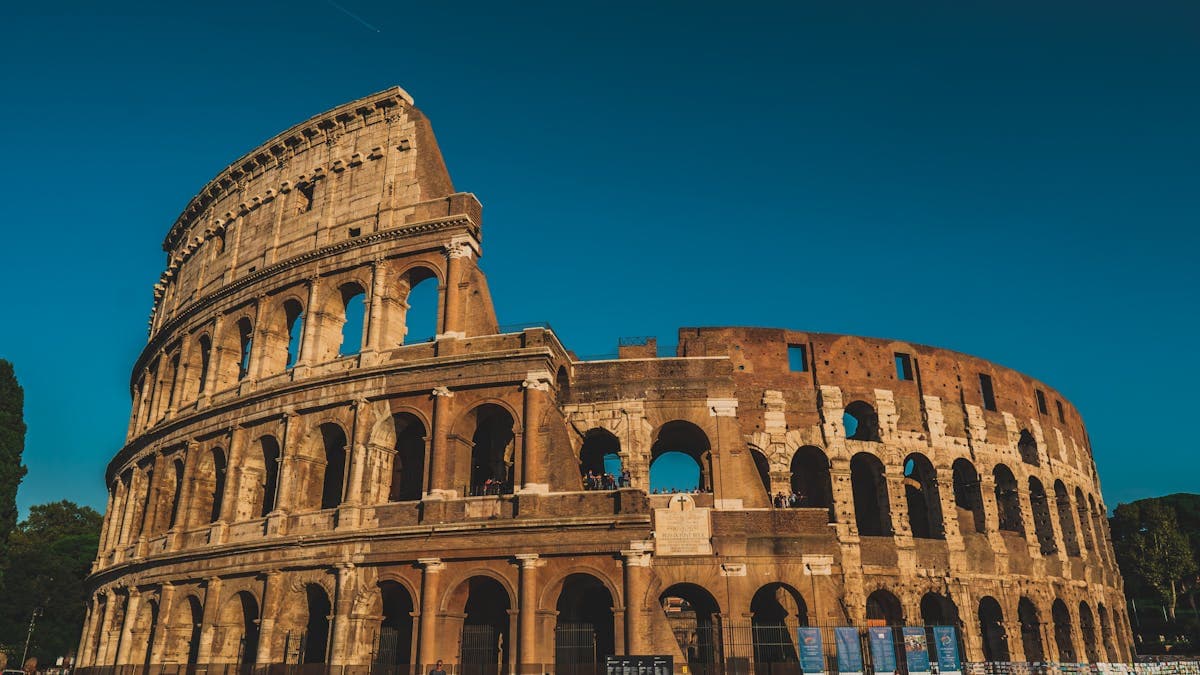
Honeymoon highlights: The Sistine Chapel, the Colosseum underground tour, Pompeii, the Uffizi, St. Peter's Basilica, Venice's Byzantine mosaics, the Duomo di Milano.
Spain
Spain's cultural depth is different but equally staggering. The Moorish period (711–1492) left behind the Alhambra, the Mezquita in Cordoba, and the Alcazar of Seville: architecture that has no equivalent anywhere else in Europe. Gaudi's Barcelona is a one-man revolution in modernisme. The Prado in Madrid houses Velazquez, Goya, and El Greco. Bilbao's Guggenheim transformed an industrial city into a cultural pilgrimage. And flamenco is not a tourist show: it is a living art form tied to Andalusian identity, Roma heritage, and centuries of expressed emotion.
Honeymoon highlights: The Alhambra, La Sagrada Familia, the Prado, the Mezquita (Cordoba), Picasso Museum (Barcelona), Guggenheim (Bilbao), Real Alcazar (Seville).
Winner: Italy (narrowly)
Italy has more sheer volume of world-class art and ancient history. Spain has unique strengths (Moorish architecture, Gaudi, flamenco) that Italy cannot match. For honeymooners, Italy's cultural highlights are more concentrated along the standard tourist route (Rome, Florence, Venice). Spain's are more spread out, requiring more travel time to connect them.
Safety & Practical Info
| Factor | Italy | Spain |
|---|---|---|
| Safety | Very safe for tourists. Pickpocketing in Rome, Naples, Florence. | Very safe for tourists. Pickpocketing in Barcelona, Madrid. |
| Language | English spoken in tourist areas, less so off the beaten path | English widely spoken in Barcelona, less so in smaller cities |
| Tipping | Not expected. Round up or leave 5–10% for excellent service. Coperto (cover charge, $2–$4) is standard. | Not expected. Round up for good service. No coperto. |
| Water | Tap water safe. Many free fountains in Rome (nasoni). | Tap water safe everywhere. |
| SIM/Data | EU roaming. Buy a TIM or Vodafone tourist SIM for $15–$25 (10–30GB). | EU roaming. Buy an Orange or Vodafone tourist SIM for $10–$20 (10–30GB). |
| Power | Type L plugs (three round pins), bring an adapter. | Type C/F plugs (two round pins): standard European. |
| Driving | Stressful in cities, terrifying on the Amalfi Coast. ZTL zones (restricted traffic) will get you fined. | Easier than Italy. Motorways well-maintained. Mallorca driving is pleasant. |
| Scams | Friendship bracelet scams (Rome), fake petitions (Florence), overcharging near tourist sites. | La Rambla shell games (Barcelona), fake taxi meters (Madrid). |
| Health | EHIC/GHIC for EU citizens. Travel insurance essential for non-EU. | Same as Italy. |
| LGBTQ+ Friendly | Progressive in cities, more conservative in rural south. | Very progressive: Spain legalised same-sex marriage in 2005, third country in the world. Barcelona, Madrid, and Sitges are major LGBTQ+ destinations. |
Winner: Draw
Both are safe, well-touristed European countries with excellent infrastructure. Spain has a slight practical edge (easier driving, more LGBTQ+-friendly nationwide, no coperto charges) but neither destination presents any real challenges for honeymooners.
7-Day Itineraries
Italy: Rome + Amalfi Coast + Florence
Day 1, Rome: Arrive at Fiumicino. Check into Hotel de Russie or the more affordable Hotel Raphael near Piazza Navona. Evening passeggiata through the Spanish Steps and Trevi Fountain area. Dinner at Roscioli (book ahead): the carbonara and cacio e pepe are definitive. Gelato at Giolitti or Fatamorgana.
Day 2, Rome: Morning Colosseum underground tour ($25/person, book ahead). Lunch at Da Enzo al 29 in Trastevere: arrive by 12:30 or face a 45-minute queue. Afternoon Vatican Museums and Sistine Chapel (book skip-the-line for $35/person). Aperitivo at Terrazza Borromini overlooking Piazza Navona.
Day 3, Rome to Amalfi Coast: Frecciarossa to Naples (70 min, $25–$40). Private transfer to Positano (90 min, $120–$150). Check into Hotel Poseidon ($250–$450/night) or splurge on Il San Pietro ($900+/night). Swim at Fornillo Beach. Dinner at Da Vincenzo (seafood, reasonable by Positano standards, $80–$110 for two).
Day 4, Amalfi Coast: Day trip to Ravello. Visit Villa Rufolo gardens ($8/person). Lunch at Cumpa' Cosimo: a local institution since 1929, not fancy, just excellent. Afternoon wander through Amalfi town and the Cathedral of St. Andrew. Splurge dinner at La Sponda in Positano (one Michelin star, 400 candles, $200–$300 for two).
Day 5, Capri: Ferry from Positano ($22/person, 40 min). Blue Grotto (weather-dependent, $18 entry). Monte Solaro chairlift for panoramic views ($12). Lunch at Il Riccio (Capri Palace's beach club restaurant, one Michelin star, $120–$180 for two). Return ferry to Positano.
Day 6, Amalfi to Florence: Transfer to Naples, train to Florence (2.5 hours, $30–$50). Check into Hotel Lungarno ($300–$500/night, Arno River views) or Palazzo Guadagni ($150–$250/night, Oltrarno charm). Afternoon: Galleria dell'Accademia to see Michelangelo's David ($16/person). Walk across Ponte Vecchio. Dinner at Trattoria Mario (shared tables, cash only, legendary bistecca fiorentina, $60–$80 for two).
Day 7, Florence: Morning cooking class in the Tuscan countryside ($120–$180/person, includes lunch and wine). Afternoon Uffizi Gallery ($25/person, book timed entry). Sunset drinks at La Terrazza rooftop bar at Hotel Continentale. Final dinner at Buca Mario (operating since 1886, vaulted cellar, $80–$120 for two).
Estimated cost (mid-range): $5,500–$8,000 per couple (excluding international flights).
Spain: Barcelona + Mallorca + San Sebastian
Day 1, Barcelona: Arrive at El Prat. Check into Hotel Neri in the Gothic Quarter ($250–$400/night) or Cotton House Hotel in the Eixample ($200–$350/night). Afternoon walk through the Born neighbourhood: the Picasso Museum ($12/person), then drinks at El Born Bar. Dinner: tapas crawl along Carrer del Rec. Start at Bar del Pla (duck liver toast, patatas bravas), then Cal Pep (seafood counter, arrive by 8:30pm).
Day 2, Barcelona: Morning: La Sagrada Familia ($26/person with tower access: book 2 weeks ahead). Walk through the Eixample to admire Casa Batllo and Casa Mila from outside ($25–$35/person to enter each). Lunch at Cerveceria Catalana (arrive early, no reservations, expect a queue: worth it). Afternoon at Park Guell ($10/person). Sunset drinks at La Caseta del Migdia, a hidden bar on Montjuic with city views. Dinner at Tickets ($80–$120 for two).
Day 3, Barcelona to Mallorca: Morning flight (45 min, $30–$100 on Vueling). Pick up rental car at Palma airport ($30–$50/day). Drive to Deia (1 hour through the Tramuntana mountains: one of Europe's most beautiful drives). Check into Belmond La Residencia ($600+/night) or the more affordable Hotel Es Moli ($180–$300/night). Afternoon swim at Cala Deia. Dinner at Es Raco d'es Teix (one Michelin star, $120–$160 for two) or the village restaurant Sebastian.
Day 4, Mallorca: Drive to Soller and take the vintage tram to Port de Soller ($8 return). Lunch at Ca's Patro March (clifftop seafood, the restaurant from The Night Manager: book ahead). Afternoon beach at Cala Turqueta or Cala Varques. Evening back in Deia: drinks at Cafe Sa Fonda, dinner at Ca's Xorc.
Day 5, Mallorca to San Sebastian: Morning flight via Palma to San Sebastian (EAS) or Bilbao (BIO), 1.5–2 hours with connection through Barcelona or Madrid ($80–$150). Check into Hotel Maria Cristina ($300–$500/night, Belle Epoque palace on the Urumea River) or the boutique Villa Favorita ($150–$250/night). Afternoon walk along Playa de la Concha. Dinner: pintxos crawl in the Parte Vieja: Gandarias (grilled steak), Bar Nestor (tortilla at 1pm and 8pm only), A Fuego Negro (modern pintxos). Budget $40–$60/person for an outstanding evening.
Day 6, San Sebastian: Morning hike up Monte Igueldo for panoramic bay views (funicular $4/person or walk 30 min). Lunch at La Cuchara de San Telmo (foie gras with apple, veal cheeks). Afternoon: txakoli wine tasting at a bodega in Getaria (30 min drive, $15–$25/person), then swim at Zarautz beach. Splurge dinner at Mugaritz ($250–$350/person, two Michelin stars, experimental Basque cuisine) or Kokotxa ($100–$150 for two, one Michelin star, in the Old Town).
Day 7, San Sebastian: Final morning on La Concha beach. If time permits, day trip to Bilbao (1 hour by bus, $12/person) for the Guggenheim Museum ($18/person) and lunch at Cafe Iruna in Plaza Nueva. Or stay in San Sebastian: visit the Aquarium, walk to Playa de la Zurriola for surf culture, and end with a final pintxos crawl. Depart from San Sebastian or Bilbao airport.
Estimated cost (mid-range): $4,000–$6,000 per couple (excluding international flights).
Cost Breakdown: 7-Night Honeymoon for Two
| Expense | Italy (Budget) | Italy (Mid) | Italy (Luxury) | Spain (Budget) | Spain (Mid) | Spain (Luxury) |
|---|---|---|---|---|---|---|
| Flights (2 pax, from NYC) | $1,000 | $1,400 | $2,400 | $900 | $1,200 | $2,000 |
| Hotel (7 nights) | $1,400 | $3,500 | $10,000 | $840 | $2,100 | $5,600 |
| Food & Drinks | $700 | $1,200 | $3,000 | $500 | $800 | $2,000 |
| Activities | $250 | $600 | $1,500 | $200 | $450 | $1,200 |
| Transport (trains/flights/cars) | $200 | $400 | $800 | $180 | $350 | $700 |
| Total | $3,550 | $7,100 | $17,700 | $2,620 | $4,900 | $11,500 |
Key takeaways:
- Spain is 25–35% cheaper than Italy at every tier. The savings compound across accommodation, food, activities, and domestic transport.
- The biggest gap is accommodation. A characterful boutique hotel in Barcelona or Mallorca at $150–$250/night is equivalent in quality to a $300–$450/night property in Florence or the Amalfi Coast.
- Food is where Spain saves the most per meal. The menu del dia (three-course lunch with wine, $12–$18/person) has no Italian equivalent. Tapas dinners run $40–$70 for two versus $70–$120 at an Italian trattoria.
- Italy's luxury ceiling is higher. Aman Venice, Il San Pietro, and Michelin-starred dining push the top tier well above $20,000 for a week. Spain's luxury tier is excellent but caps lower.
- Flights to Spain are $50–$200 cheaper per person than equivalent routes to Italy from North America.
- Internal transport costs are similar: Spain's AVE trains and Italy's Frecciarossa are both fast, comfortable, and reasonably priced.
Compare hotel deals in Italy and Spain on Booking.com
When to Choose Each
Choose Italy if...
- Classic European romance is non-negotiable. Venice canals, Amalfi Coast sunsets, Tuscan hill towns: the images that defined honeymoon travel for a century.
- Food is the primary driver. Unmatched regional depth at every price point. Pasta in Bologna, pizza in Naples, bistecca in Florence, seafood on the Amalfi Coast.
- Art and history matter to you. The Renaissance, the Roman Empire, the Baroque: concentrated in walkable cities.
- You want a multi-mood trip. Cities (Rome, Florence) + coast (Amalfi) + countryside (Tuscany) + canal city (Venice), all connected by fast trains.
- Wine country is on your list. Chianti, Barolo, Brunello, and Prosecco are honeymoon destinations in their own right.
- You lean toward intimate, quiet evenings: candlelit trattoria dinners, gelato walks, early nights.
Choose Spain if...
- Beaches are a centrepiece. Spain's Mediterranean and Atlantic beaches are objectively better: sandier, cleaner, more varied, and more accessible.
- Budget matters. $5,000 in Spain buys what $7,000 buys in Italy. Better hotels, more meals, more activities for the same spend.
- You are night owls. Dinner at 10pm, cocktails at midnight, dancing at 2am: Spain's rhythm rewards couples who come alive after dark.
- You want energy over elegance. Flamenco in Seville, pintxos crawls in San Sebastian, Gaudi's Barcelona, boat days in Mallorca: Spain's honeymoon is active and alive.
- You value LGBTQ+ friendliness. Spain is one of the most progressive countries in Europe, with Barcelona, Madrid, and Sitges as major destinations.
- You want the Balearic Islands. Mallorca, Menorca, and Ibiza offer a combination of beaches, culture, food, and nightlife that has no Italian equivalent at the same price point.
If you genuinely cannot decide...
Do both. Barcelona (2 nights), fly to Rome (2 hours, $50–$150 on Ryanair or Vueling), Rome (2 nights), train to Amalfi Coast (3 nights), fly home from Naples. Or reverse it. Budget airlines connect Spanish and Italian cities multiple times daily. A 10–12 day trip combining both is entirely practical.
Our Verdict
After comparing every category, here is the honest answer: Italy is the better honeymoon for pure romance. Spain is the better honeymoon for everything else.
Italy wins on romance, food depth, wine regions, cultural density, and that ineffable quality, la dolce vita, that makes every moment feel like it was staged for a film. When people picture a European honeymoon, they picture Italy. And it earns that reputation.
Spain wins on beaches, nightlife, value, energy, and range. It is 25–35% cheaper for equivalent quality. Its food scene is world-class and wildly underrated. Its coastline is objectively superior for actual beach time. And its late-night culture transforms the honeymoon evening from a two-hour dinner into an all-night adventure.
Our recommendation:
- For the couple who wants the classic European honeymoon: Amalfi Coast, Tuscany, Venice, the proposal-level romantic moments: choose Italy.
- For the couple who wants the best overall trip: beaches, food, culture, nightlife, value, and a rhythm that feels like living rather than touring: choose Spain.
Both will give you an extraordinary honeymoon. Italy is a love letter. Spain is a love affair.
Keep Exploring
Destination guides:
- Italy Honeymoon Guide 2026: Amalfi, Tuscany, Venice, and beyond
- Amalfi Coast Honeymoon Guide 2026: The complete Amalfi Coast planning guide
- Europe Honeymoon Guide 2026: All top European honeymoon destinations
- Best Honeymoon Destinations for 2026: Our full ranked list
- Greece Honeymoon Guide 2026: If the Mediterranean has you hooked
Comparisons:
- Greece vs Italy Honeymoon: The other big European showdown
- Santorini vs Amalfi Coast Honeymoon: A focused comparison of the two standout regions
- Hawaii vs Caribbean Honeymoon | Thailand vs Bali Honeymoon
Planning resources:
- How Much Does a Honeymoon Actually Cost?
- 15 Cheap Honeymoon Destinations That Don't Feel Cheap
- The Complete Honeymoon Planning Checklist
- Luxury Honeymoon Guide 2026
FAQ
Is Spain or Italy cheaper for a honeymoon?
Spain is cheaper at every tier: budget, mid-range, and luxury. A mid-range 7-night Spain honeymoon runs $4,500–$6,500 per couple including US flights. The equivalent in Italy runs $6,000–$9,000. The biggest savings: accommodation (Spain's boutique hotels and paradores cost 30–40% less than equivalent Italian properties) and food (tapas dinners and the menu del dia make daily dining significantly cheaper).
Which has better beaches, Italy or Spain?
Spain, by a wide margin. Spain has 8,000km of coastline with sandy beaches on the Mediterranean, Atlantic, and Balearic Islands. Mallorca, Menorca, Costa Brava, and the Basque Country offer variety Italy cannot match. Italy's coastline is scenic but often rocky or pebbly, and beach clubs with mandatory sun-bed rentals are standard. If beach time is important to your honeymoon, Spain is the clear choice.
Which has better food, Italy or Spain?
Both are among the top three food countries in the world. Italy has deeper traditions in pasta, pizza, and regional cooking: every province has dishes worth travelling for. Spain has tapas culture, pintxos bars, and the highest Michelin-star density in the Basque Country. Italy is better for sit-down, multicourse meals. Spain is better for spontaneous, bar-hopping food adventures. We call it a draw.
Do I need a visa for Italy or Spain?
Both are Schengen Area countries. US, UK, Canadian, and Australian citizens can visit for up to 90 days without a visa. Once ETIAS starts (the EU expects the last quarter of 2026), visa-exempt non-EU visitors will need this online travel authorisation, which costs €20 per person and is valid for up to 3 years (European Commission): check the latest status before booking as implementation dates have shifted.
Can you combine Italy and Spain in one honeymoon?
Absolutely. Budget airlines (Ryanair, Vueling, easyJet) connect Spanish and Italian cities with 2-hour flights for $50–$200 per person. Popular route: Barcelona (2–3 nights) then fly to Rome (2 nights), train to Amalfi Coast (3 nights). Budget 10–12 days to avoid rushing.
Which is more romantic, Italy or Spain?
Italy is the classic choice for romance: Venice canals, Amalfi Coast sunsets, candlelit trattorias in Tuscan hill towns. Spain's romance is more passionate and spontaneous: flamenco, late-night tapas, midnight walks through Seville's lit plazas. Italy is quiet romance; Spain is fiery romance. Most couples find Italy more conventionally romantic, but Spain converts plenty of skeptics.
Is Italy or Spain better for a first trip to Europe?
Both are excellent for first-timers. Spain has a slight edge: it is cheaper, the nightlife is more forgiving of jetlag (everything runs late anyway), English is widely spoken in major cities, and the Balearic Islands offer an easy beach add-on. Italy's rail network is slightly better for multi-city trips, and its cultural highlights are more concentrated. Either is a great introduction to Europe.
What is the best time to visit Italy or Spain for a honeymoon?
May through June and September through October for both. Spain has a slightly longer warm season: coastal temperatures stay pleasant into late October, and southern Spain (Andalusia) is enjoyable in April. July and August bring extreme heat (35–40 C), peak crowds, and peak prices at both destinations. September is arguably the single best month for either country.
Which country has better wine for honeymooners?
Both are world-class. Italy has more famous wine regions that double as destinations (Tuscany, Piedmont, Veneto). Spain has better wine value: a $25 bottle of Rioja Reserva often matches a $50 Chianti Classico in quality. Italy wins for wine tourism (the regions are more scenic and set up for visitors). Spain wins if you want to drink excellent wine without a premium markup.
How many days do you need for an Italy or Spain honeymoon?
Seven days minimum for either. Ten to twelve days is ideal. With seven days, focus on one region: Rome + Amalfi Coast for Italy, or Barcelona + Mallorca for Spain. With ten days, add Florence and Venice (Italy) or San Sebastian and Seville (Spain). Trying to see everything in a week will leave you exhausted rather than relaxed.
Planning an Italy or Spain honeymoon and want help choosing the right route? Explore our destination guides, use our budget calculator to build your trip budget, or check our planning checklist to get started.
Plan Your Trip
Where to Stay in Italy
Hand-picked hotels and resorts across budget, mid-range, and luxury tiers.
Villa Cora (Florence)
Mid-RangeBorgo Egnazia
LuxuryHotel de Russie, Rocco Forte (Rome)
LuxuryCapri Palace Jumeirah
LuxuryStill deciding between destinations?
Compare them side-by-side →Compare destinations side-by-side
See how this destination stacks up against others on cost, weather, and romance.