Italy Honeymoon Guide 2026: 7 Regions Compared, Real Costs & 10-Day Plan
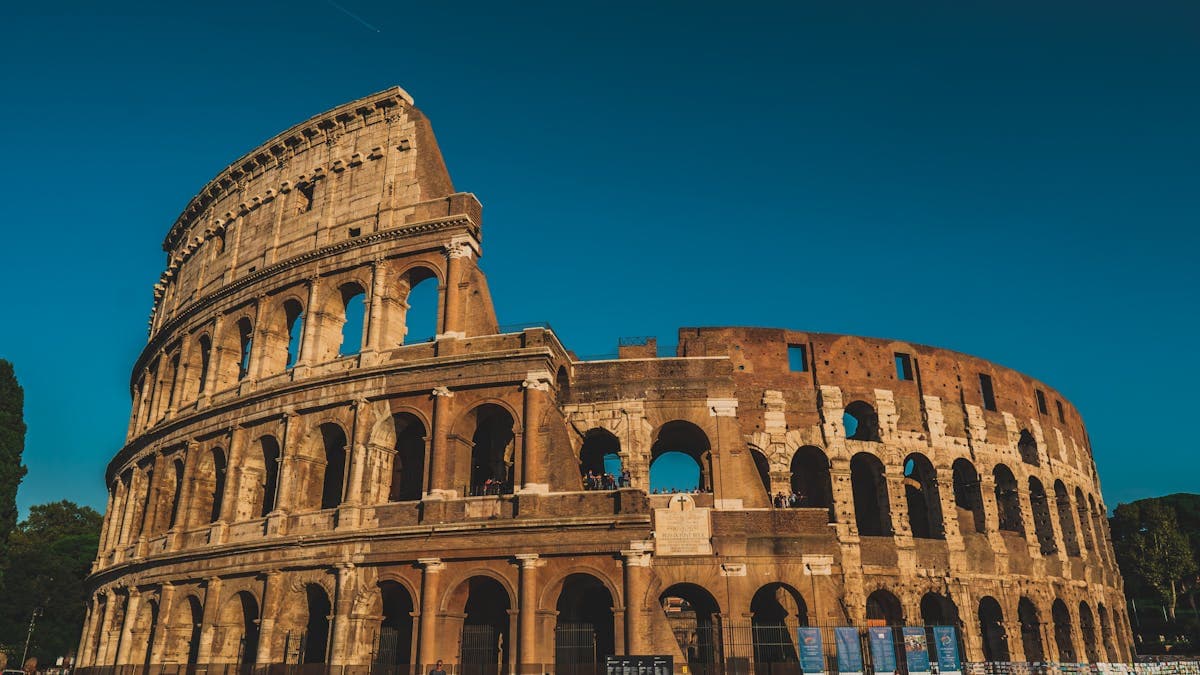
Photo: Pexels
Italy is the most requested European honeymoon destination, and it has been for decades. The reasons are obvious enough — the food alone justifies the flight — but "Italy honeymoon" means wildly different things depending on who you ask. One couple wants a cliffside suite in Positano with limoncello at sunset. Another wants to eat their way through Bologna, rent a Fiat, and get lost in a Tuscan village where nobody speaks English. A third wants three nights at the Gritti Palace in Venice because they saw it in a film and decided that was the one.
All of those are excellent honeymoons. The problem is that Italy is enormous, and trying to do all of it in 10 days is how you end up exhausted, overspent, and remembering more train stations than sunsets. The couples who come back raving are the ones who picked two or three regions, slowed down, and let the country do what it does best: make ordinary moments — a plate of cacio e pepe, a glass of Brunello on a terrace, a water taxi at dusk — feel like the most romantic thing that's ever happened to anyone.
This guide helps you pick the right regions for your pace, gives you real hotel prices for 2026, and maps out itineraries that actually work logistically. No "just pop over to Lake Como from Rome" nonsense.
Table of Contents
- Quick Reference
- Region-by-Region Guide
- 10-Day Italy Honeymoon Itinerary
- Cost Breakdown
- When to Go
- Practical Tips
- Keep Exploring
- FAQ
Quick Reference
| Region | Best For | Budget/Night (couple) | Best Months | Days Needed |
|---|---|---|---|---|
| Amalfi Coast | Cliffside drama, sea views, lemon groves | $200–$800 | May, Sep–Oct | 3–4 |
| Tuscany | Rolling hills, wine, slow pace, agriturismi | $150–$1,000 | May–Jun, Sep–Oct | 3–4 |
| Venice | Grand canals, art, once-in-a-lifetime atmosphere | $300–$1,500 | Apr–May, Sep–Oct | 2–3 |
| Lake Como | Lakeside glamour, mountain backdrop, villas | $200–$1,200 | May–Sep | 2–3 |
| Rome | History, food, urban energy, perfect bookend | $200–$800 | Apr–May, Oct–Nov | 2–3 |
| Sicily | Under-the-radar, beaches, temples, street food | $100–$800 | May–Jun, Sep–Oct | 3–5 |
| Cinque Terre | Colourful villages, coastal walks, simplicity | $200–$400 | May, Sep | 1–2 |
Region-by-Region Guide
Amalfi Coast — The Headliner
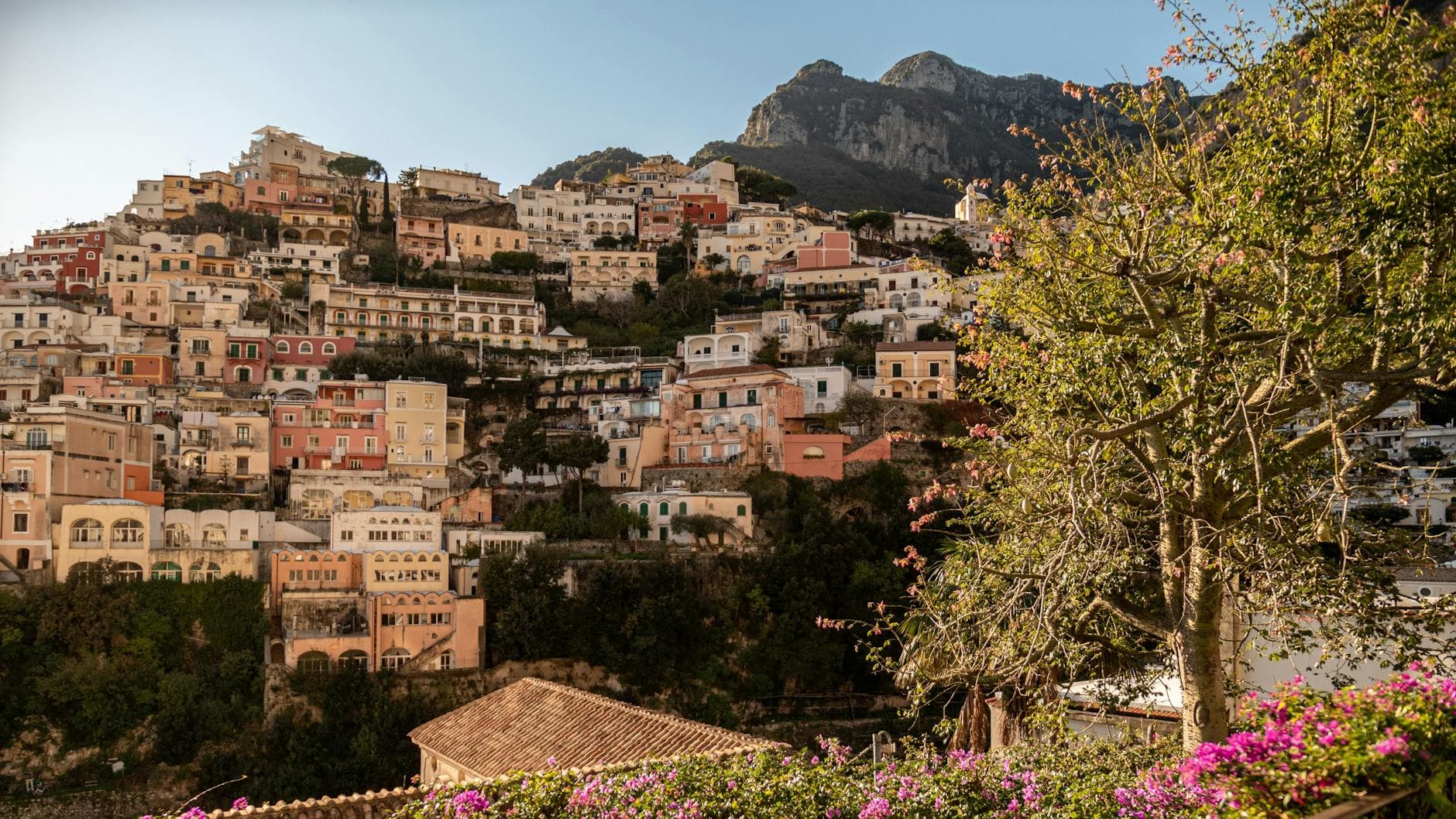
The Amalfi Coast is probably the single most photographed stretch of road in Italy, and for good reason. Fifty kilometres of vertical coastline between Sorrento and Salerno, with villages stacked into cliffs like pastel-coloured Lego, the Tyrrhenian Sea glittering below, and the smell of lemons and jasmine everywhere. It is genuinely, absurdly beautiful.
It is also genuinely, absurdly crowded from June through August. The SS163 coast road — the only road — was built for donkeys, and in July it carries a continuous convoy of tour buses, rental cars, and scooters that turns a 20-minute drive into 90 minutes of honking in the sun. The solution is simple: go in May or September, and stay put rather than trying to visit every town.
Positano is the postcard. Vertical town, bougainvillea everywhere, beach clubs, absurd beauty. It earns every superlative — and every euro it charges. Ravello sits 350 metres above the coast and trades beach access for silence, gardens (Villa Rufolo, Villa Cimbrone), and some of the best views in southern Italy. If your honeymoon fantasy is more "reading on a terrace with wine" than "beach club with DJ," Ravello is your answer.
Where to stay:
- Hotel Santa Caterina (Amalfi) — The grand dame of the coast. Perched on a cliff between Amalfi and Atrani, with a private beach reached by glass elevator, lemon-grove terraces, and rooms that feel like a wealthy Italian family's summer house. ~$500–$800/night in shoulder season.
- Casa Angelina (Praiano) — All-white minimalist design that stands out against the traditional Amalfi aesthetic. Rooftop pool with infinite views, excellent restaurant, and Praiano is quieter than Positano while being a 10-minute water taxi away. ~$400–$600/night.
- Marina Riviera (Amalfi) — Family-run, right on the waterfront in Amalfi town. No infinity pool, no design magazine spreads — just a terrace with sea views, genuinely warm service, and a location that lets you walk to everything. ~$200–$350/night.
Pro tip: Take the public SITA bus or ferry between towns. Taxis are extortionate ($50+ for a 15-minute ride), parking is a nightmare, and the ferry views are half the experience anyway. For a deeper dive into the coast, see our Amalfi Coast honeymoon guide.
For a detailed comparison with Greece's most famous island, see our Santorini vs Amalfi Coast honeymoon guide.
Tuscany — The Soul of Italian Romance
If the Amalfi Coast is Italy's flashy coastline, Tuscany is its beating heart. This is where you slow down. The landscape — rolling green hills striped with cypress rows, medieval hilltop towns, vineyards that stretch to the horizon — hasn't fundamentally changed in centuries. That's not an exaggeration; the Val d'Orcia looks almost exactly as it did in the Renaissance paintings that depict it.
The two main honeymoon zones are Chianti (between Florence and Siena — wine, stone farmhouses, easy access to both cities) and Val d'Orcia (further south — more remote, more dramatic, the UNESCO-protected landscape of every Tuscany screensaver). Chianti is better if you want a mix of culture and countryside. Val d'Orcia is better if you want to completely disappear.
Where to stay:
- Castello Banfi - Il Borgo (Montalcino) — A restored medieval hamlet inside a working Brunello di Montalcino wine estate. Infinity pool overlooking vineyards, cooking classes, wine tastings that would cost $200 anywhere else but are included for guests. ~$400–$700/night.
- Borgo Santo Pietro (Chiusdino) — One of the most beautiful small hotels in Italy. A 13th-century villa surrounded by organic gardens, an in-house Michelin-starred restaurant, and a spa that uses ingredients grown on the property. This is the kind of place where you check in for three nights and never leave the grounds. ~$600–$1,000/night.
- Agriturismo option — Tuscany has hundreds of working farms that rent rooms, and they're the region's best-kept secret for honeymooners. Expect stone-walled rooms, home-cooked dinners with estate wine, olive groves, and a total bill that wouldn't cover one night at the luxury places. ~$150–$250/night including breakfast, often with dinner available for $30–$50/person.
Pro tip: Rent a car here. Unlike the Amalfi Coast, Tuscany's roads are built for driving — quiet, well-maintained, and scenic. A Fiat 500 or similar runs about $40–$60/day. You'll need it to reach the tiny hilltop towns (Pienza, Montalcino, San Gimignano, Montepulciano) that make Tuscany magical.
Venice — The Impossible City
Venice is not like other places. It shouldn't exist — a city of 400 marble palaces and 120 churches built on wooden pilings in a lagoon — and that impossibility is what makes it extraordinary. You'll step off the train at Santa Lucia, walk out the front door, and instead of a taxi rank there's the Grand Canal. That first moment lands differently when you're on your honeymoon.
Here's the honest take: Venice needs two or three nights, not five. The city is small (you can walk end to end in an hour), prices are the highest in Italy, and the tourist density in San Marco and Rialto can be suffocating. But two well-planned days give you time for a gondola ride at dusk (yes, it's a cliché, but you're on your honeymoon — lean into it), a long lunch in Dorsoduro, an evening passeggiata through quiet Cannaregio, and a Bellini at Harry's Bar. That's enough. Venice is an accent in an Italian honeymoon, not the whole trip.
Where to stay:
- The Gritti Palace — Fifteenth-century palazzo on the Grand Canal, now a Luxury Collection hotel. Terrace restaurant facing Santa Maria della Salute, rooms that drip with Murano glass and brocade. This is the "if we're going to do Venice, let's really do Venice" choice. ~$800–$1,500/night.
- Hotel Danieli — Almost as iconic as the Gritti, a few steps from Piazza San Marco. The rooftop terrace restaurant has one of the most famous views in the city. Recently renovated rooms in the original palazzo wing are stunning; avoid the modern annexe. ~$500–$900/night.
- Ca' Sagredo — A lesser-known palazzo hotel on the Grand Canal near the Rialto. Frescoed ceilings by Tiepolo (literally — this was a noble family's home), fewer crowds than the big-name hotels, and significantly lower prices. ~$300–$500/night.
Pro tip: Stay in Dorsoduro or Cannaregio if you want to save money and experience a more local Venice. Dorsoduro has the Accademia gallery, the best aperitivo bars, and a long fondamenta (waterfront walkway) facing Giudecca that's perfect at sunset. Cannaregio is where Venetians actually live — Jewish Ghetto, quiet canals, excellent cicchetti (bar snacks) spots. Hotels here run $150–$300/night.
Lake Como — Old-World Glamour
Lake Como is what happens when the Italian Alps meet the Italian love of beauty. A deep, Y-shaped lake surrounded by mountains, with Belle Époque villas, manicured gardens, and small towns connected by ferries that glide across water so blue-green it looks retouched. George Clooney didn't make Como glamorous — it's been the retreat of choice for Milan's wealthy for centuries — but he certainly raised the international profile.
The main honeymoon base is Bellagio (the "pearl of the lake," on the promontory where the two arms of the Y meet) or the western shore around Tremezzo and Menaggio. Both are excellent. The eastern shore (Varenna) is quieter and less polished — worth a day trip but not necessarily a base.
Where to stay:
- Grand Hotel Tremezzo — The most romantic hotel on the lake, and it's not particularly close. Art Nouveau building from 1910, a floating swimming pool on the lake, private beach, and rooms with balconies that face directly across the water to Bellagio. ~$600–$1,200/night.
- Villa d'Este (Cernobbio) — If Grand Hotel Tremezzo is romantic, Villa d'Este is regal. A 16th-century cardinal's residence turned into one of Europe's grand hotels. Floating pool, 25 acres of parkland, formal gardens with Renaissance statuary. This is "European aristocracy" energy, which may or may not be your honeymoon vibe. ~$800+ per night.
- Hotel Belvedere (Bellagio) — Family-run since the 1880s, right in the centre of Bellagio. Rooftop pool with panoramic lake views, traditional rooms (not designer-sleek), warm service. The value play on Como. ~$200–$350/night.
Pro tip: Como is most accessible from Milan (1 hour by train to Varenna, 90 minutes by car to Bellagio). It pairs naturally with a northern Italy itinerary (Venice → Como → Milan) but does not pair easily with Rome or the Amalfi Coast without an internal flight.
Rome — The Perfect Bookend
Every Italy honeymoon should probably start or end in Rome. Not because the city is inherently "honeymoon-y" in the way that Positano or Venice is — it's a sprawling, chaotic, ancient, magnificent capital — but because it's where you fly in, the food is outstanding, the history is staggering, and there's a particular romance to walking hand-in-hand through a city that's been the backdrop for love stories since before English was a language.
Two to three nights is right. See the Colosseum, throw the coin in the Trevi Fountain (yes, you have to), eat cacio e pepe at a proper Roman trattoria, have cocktails on a rooftop with a view of St. Peter's dome lit up at night, and get out before the city's noise and traffic override the romance.
Where to stay:
- Hotel de Russie — On Via del Babuino between Piazza del Popolo and the Spanish Steps. Secret garden courtyard, rooftop bar with city views, Rocco Forte service. Consistently rated the most romantic hotel in Rome, and it earns it. ~$500–$800/night.
- Boutique near Campo de' Fiori — The neighbourhood around Campo de' Fiori and Piazza Navona is walkable to everything, full of trattorias and wine bars, and has dozens of small boutique hotels in converted palazzi. You'll find charming rooms with exposed beams and shuttered windows for ~$200–$350/night.
Pro tip: Book your Colosseum and Vatican tickets weeks in advance online. The "skip the line" tours are worth $30–$40/person. If you show up without a booking, you'll waste half your day in a queue.
Sicily — The Underrated Gem
Sicily is where you go when you want Italy without the Instagram polish. It's raw, complex, sometimes rough around the edges, and absolutely stunning. The island has Greek temples better preserved than anything in Athens, beaches that rival Sardinia, street food that could be its own Michelin category, and a cultural identity that is distinctly not mainland Italian.
For honeymooners, the two standout bases are Taormina (a clifftop town with views of Mount Etna and the Ionian Sea — the closest Sicily gets to Amalfi-level drama) and Cefalù (a beach town on the north coast with a Norman cathedral, cobblestone streets, and a fraction of Taormina's prices and crowds). Cefalù is also home to one of Europe's best all-inclusive honeymoon resorts — Club Med's most design-forward property.
Where to stay:
- Belmond Grand Hotel Timeo (Taormina) — The first hotel ever built in Taormina (1873), directly beside the ancient Greek theatre. Terrace restaurant with Etna views, literary-hotel atmosphere. Belmond knows what they're doing with honeymooners. ~$500–$800/night.
- B&B or boutique in Cefalù — Cefalù's old town has small, family-run places with sea-view terraces that cost a fraction of Taormina. Expect warm hospitality, excellent fish restaurants within walking distance, and a genuine Sicilian town that doesn't empty out when the tourists leave. ~$100–$180/night.
Pro tip: Sicily requires a car if you want to explore beyond your base. Trains exist but are slow and infrequent. The island is large — Palermo to Taormina is 3 hours by car. Don't try to see the whole island in 3 days.
Cinque Terre — The Colourful Detour
Five tiny fishing villages clinging to a cliff on the Ligurian coast, connected by hiking trails and a local train. Cinque Terre is one of the most photographed places in Italy, and it's genuinely as pretty as the photos suggest. The colours — terracotta, ochre, pink, green shutters against blue sea — are almost absurdly picturesque.
But here's the thing: Cinque Terre is tiny. Each village is about 5 minutes end to end. The trails between them are the main attraction, and several are often closed for maintenance. There are no beaches to speak of (rocky access points, not sand), no major sights, and accommodation options are limited. Two nights is perfect. One night feels rushed. Three and you'll be restless.
Where to stay:
- Hotel Porto Roca (Monterosso) — The only proper hotel with sea views. Terrace restaurant, quiet garden, rooms overlooking the coast. It's not luxury by Amalfi standards, but it's the best Cinque Terre offers. ~$250–$400/night.
- La Mala (Vernazza) — A tiny guesthouse in the prettiest of the five villages. Four rooms, sea-view terrace, and you're steps from the harbour. Book months ahead — it sells out fast. ~$200–$300/night.
Pro tip: Don't bring a car. There's nowhere to park, and the one-lane roads are a nightmare. Take the train from La Spezia or Genoa. Within Cinque Terre, use the local train (runs every 15–20 minutes) or walk the trails.
10-Day Italy Honeymoon Itinerary
This is the itinerary we recommend most. It hits three distinct vibes — urban, coastal, and cultural — without the frantic pace of a "see everything" tour.
Days 1–2: Rome
Fly into Fiumicino (FCO). Check into your hotel, walk to the Trevi Fountain and the Pantheon that evening (both are better at night with fewer crowds). Day 2: Colosseum in the morning, long lunch in Trastevere, Vatican Museums in the afternoon (or swap if you have morning Vatican tickets), rooftop aperitivo at sunset. Daily budget: $300–$600/couple (hotel, meals, admissions).
Transport: Airport taxi to central Rome is a flat rate of €50 (non-negotiable, by law). Uber works but costs the same.
Days 3–5: Amalfi Coast
Morning train Rome to Naples (70 minutes on the Frecciarossa high-speed train, ~$30–$50/person if booked early). From Naples, take the SITA bus to Amalfi or the Campania Express train to Sorrento + ferry to your base. Check in, spend the afternoon at a beach club or wandering Positano. Days 4–5: boat trip to Capri (day trip), Path of the Gods hike (Bomerano to Positano — 3 hours, moderate difficulty, extraordinary views), Ravello visit for Villa Cimbrone gardens and a long dinner. Daily budget: $350–$800/couple.
Transport: Local ferries between Amalfi towns run $10–$20/person. Private boat charter for a half day runs $200–$400.
Day 6: Travel to Tuscany
Morning ferry/bus to Naples, then high-speed train to Florence (2 hours 40 minutes, ~$40–$60/person). Pick up a rental car at Florence SMN station. Drive to your agriturismo or hotel in Chianti or Val d'Orcia (1–2 hours depending on location). Settle in, dinner at your accommodation or a nearby village. Daily budget: $250–$450/couple (mostly transport + hotel).
Days 7–8: Tuscany
Day 7: Morning visit to a Chianti winery (Antinori nel Chianti Classico does an excellent tour and tasting for about €30/person), lunch in Greve in Chianti or Panzano (look for Dario Cecchini's butcher shop — famous for a reason), afternoon in Siena (the Piazza del Campo is one of the great public spaces in Europe). Day 8: Drive the Val d'Orcia loop — Pienza (pecorino cheese), Montalcino (Brunello wine), the cypress-lined road of Viale dei Cipressi. Stop wherever looks beautiful. This is the day where having a car matters most. Daily budget: $250–$500/couple.
Days 9–10: Venice
Return rental car to Florence. Train to Venice (2 hours 15 minutes on the Frecciarossa, ~$40–$60/person). Water taxi or vaporetto from the station to your hotel — the first water approach to Venice is worth the splurge on a taxi (~€70–$90). Day 9 afternoon: get lost. Seriously. Put the phone away and wander. Every wrong turn in Venice leads somewhere beautiful. Evening: gondola ride (€80 for 30 minutes, fixed price — don't negotiate) and dinner in Dorsoduro. Day 10: morning coffee at Caffè Florian (expensive, historic, worth it once), Rialto market, Accademia gallery, then train or flight home. Daily budget: $400–$1,000/couple.
Transport: Venice has no cars. Vaporetto (water bus) pass: €25 for 24 hours, €35 for 48 hours. Water taxis are luxurious but pricey (€70+ per trip).
Cost Breakdown
| Category | Budget | Mid-Range | Luxury |
|---|---|---|---|
| Flights (round trip, 2 people, US) | $600–$900 | $900–$1,400 | $2,500–$5,000+ |
| Hotels (10 nights) | $1,500–$2,500 | $3,000–$5,500 | $7,000–$15,000 |
| Food & Drink | $600–$900 | $1,000–$1,800 | $2,500–$4,000 |
| Transport (trains, ferries, car) | $300–$450 | $450–$700 | $700–$1,200 |
| Activities & Admissions | $150–$250 | $300–$500 | $600–$1,200 |
| Total (10 days, couple) | $3,150–$5,000 | $5,650–$9,900 | $13,300–$26,400 |
Notes: Budget assumes 3-star hotels, one nice dinner per day, and self-guided sightseeing. Mid-range assumes 4-star hotels with some boutique splurges, good restaurants nightly, and a mix of guided and independent activities. Luxury assumes top-tier hotels throughout, fine dining, private transfers, and premium experiences. Flights vary enormously by season and origin city — book 3–4 months ahead for best rates. For a broader comparison of honeymoon costs across all destinations, see our complete honeymoon cost guide.
When to Go
Italy's peak season aligns with school holidays across Europe and North America, and prices and crowds reflect it. Here's the honest month-by-month:
| Month | Verdict | Notes |
|---|---|---|
| January–February | Skip | Cold, grey, many coastal hotels closed. Rome and Florence are fine but not honeymoon-romantic in winter. |
| March | Maybe | Early spring. Still cool (12–16°C). Shoulder pricing, minimal crowds. Good for Rome/Florence/Sicily. Amalfi and Como not yet in season. |
| April | Good | Warming up (16–20°C). Easter crowds spike for 2 weeks but otherwise excellent. Wildflowers in Tuscany. |
| May | Excellent | The sweet spot. Warm (20–25°C), long days, everything open, crowds manageable. Our top pick. |
| June | Very good | Hotter (25–30°C), prices climbing, but not yet peak madness. Beach weather arrives. |
| July | Proceed with caution | Hot (30–35°C+), peak prices, major crowds everywhere. Venice smells. Amalfi Coast road is a car park. |
| August | Avoid | Italians themselves go on holiday. Cities empty of locals, fill with tourists. Extreme heat. Many restaurants close for Ferragosto (Aug 15). |
| September | Excellent | Tied with May as the best month. Crowds thin, temperatures mellow (22–28°C), the sea is warm from summer, harvest season begins in Tuscany and wine country. |
| Early October | Very good | Still warm in the south (20–25°C). Grape harvest in full swing. Venice gets misty mornings that are actually beautiful. Northern lakes start cooling. |
| Late October–December | Skip | Rain increases, daylight shortens, many seasonal hotels close. Rome in November can be lovely if you don't need beaches. |
The verdict: Book for May or September. You'll save 20–30% compared to July/August, avoid the worst crowds, and actually enjoy eating outside without melting.
Practical Tips
Trenitalia & Italo booking: Italy's high-speed trains are excellent and cheap if booked early. Trenitalia's Frecciarossa and Italo (the private competitor) both run Milan–Rome in under 3 hours. Book at trenitalia.com or italotreno.it 2–3 months ahead for the best fares. A Rome–Naples ticket can be as low as €19 if you book early; it's €45+ on the day. Don't bother with Eurail passes — point-to-point tickets are cheaper for a 10-day trip.
Car rental: Only rent a car for Tuscany. You don't need one in Rome (traffic is homicidal, parking is non-existent), the Amalfi Coast (the road will ruin your honeymoon), Venice (no cars allowed), or Lake Como (ferries connect everything). In Tuscany, a small car is essential. Book through rentalcars.com or directly with Europcar/Hertz. Full insurance is worth the €10–$15/day upcharge — Italian repair claims are aggressive.
Eat local: The best meals in Italy are not at the restaurants with English menus and photos of the food outside. Look for trattorias with handwritten daily menus, places where the tables are full of Italians, and anywhere that seems annoyed when you ask for modifications. A proper Roman trattoria lunch — antipasto, primo, secondo, wine, coffee — runs €25–$40/person and will be the best meal of your trip. Tourist restaurants near major sights charge double for half the quality.
Tipping: Italy does not have American tipping culture. A service charge (coperto or servizio) of €1–$3/person is usually included in the bill. Leaving a few euros on the table for good service is appreciated but not expected. Do not tip 15–20% — it's unnecessary and will confuse your server.
Church dress codes: If you want to enter the Vatican, Duomo in Florence, or essentially any major church, cover your shoulders and knees. This applies to both men and women. Carry a light scarf or cardigan. You will be turned away without exception, and no, it doesn't matter how hot it is outside.
Cash vs card: Italy is increasingly card-friendly, but smaller trattorias, gelaterias, beach clubs, and rural agriturismi may be cash-only. Carry €100–$150 in cash at all times. Withdraw from ATMs (bancomat) inside banks, not street-corner machines that charge conversion fees.
Pickpockets: Rome, Florence, Naples, and Venice all have active pickpocket operations targeting tourists. Nothing violent — these are professional teams working crowded spaces (metro, train stations, Piazza San Marco, Trevi Fountain). Use a crossbody bag, keep your phone in a front pocket, and be aware in crowds. Don't let this scare you — Italy is very safe — but don't be naive about it either.
Keep Exploring
Destination guides:
- Greece Honeymoon Guide 2026 — The other great Mediterranean honeymoon
- Europe Honeymoon Guide 2026 — All 8 top European honeymoon destinations
- Caribbean Honeymoon Guide 2026 — If you want beach over culture
- Bali Honeymoon Guide 2026 — A completely different kind of honeymoon
- Best Honeymoon Destinations for 2026 — Our full ranked list
Comparisons:
- Amalfi Coast Honeymoon Guide 2026 — The complete Amalfi Coast planning guide
- Greece vs Italy Honeymoon: How to Choose
- Santorini vs Amalfi Coast Honeymoon
Planning & budget:
- How Much Does a Honeymoon Cost in 2026? — Budget breakdowns by destination
- Best All-Inclusive Honeymoon Resorts 2026 — Including Club Med Cefalu in Sicily
- Honeymoon Planning Checklist 2026 — Full timeline and booking guide
- Cheap Honeymoon Destinations 2026 — If Italy stretches the budget
FAQ
How much does an Italy honeymoon cost?
A 10-day Italy honeymoon runs $3,000–$5,000 on a budget (3-star hotels, trains, eating well but not extravagantly), $5,500–$10,000 at mid-range (4-star hotels, some splurge nights, guided tours), or $13,000–$25,000+ at luxury level (5-star hotels throughout, private transfers, fine dining). Flights from the US add $600–$5,000 depending on class and timing.
What is the most romantic place in Italy for a honeymoon?
It depends on what "romantic" means to you. Positano and the Amalfi Coast are the most visually dramatic. Tuscany is the most peaceful and intimate. Venice is the most uniquely atmospheric. Lake Como is the most classically glamorous. If forced to pick one: a restored farmhouse in the Tuscan hills with a private pool and no agenda. That's romance.
How many days do you need for an Italy honeymoon?
10 days is the sweet spot for a multi-region trip. You can do 7 if you pick two regions (e.g., Rome + Amalfi, or Florence + Venice). Anything under 7 days and you're rushing. 14 days lets you add Sicily or Lake Como without feeling packed.
Italy or Greece for a honeymoon?
Both are exceptional, but they're different experiences. Greece is islands, beaches, island-hopping, and a more laid-back pace. Italy is cities, countryside, art, and arguably the world's best food culture. Greece is slightly cheaper. Italy has more variety in a single trip. Couples who want beach and simplicity lean Greece. Couples who want culture, food, and diverse landscapes lean Italy. Read our full Greece vs Italy honeymoon comparison for the detailed breakdown.
What is the cheapest time to visit Italy for a honeymoon?
November through March (excluding Christmas/New Year) offers the lowest prices — but much of coastal Italy is closed, weather is unreliable, and the honeymoon atmosphere suffers. The real value window is early May or late September to early October: everything is open, weather is warm, and prices are 20–30% below July/August peak.
Do I need a visa for Italy?
If you hold a passport from the US, UK, Canada, Australia, or most other Western countries, you can enter Italy (and the broader Schengen Area) visa-free for up to 90 days. Once ETIAS (European Travel Information and Authorisation System) starts, which the EU expects in the last quarter of 2026, visa-exempt travellers will need a simple online pre-authorisation (€20, valid for up to 3 years). The EU advises applying before you book flights and hotels: most applications are decided within minutes, but it can take up to 96 hours, and longer if you are asked for more information (official ETIAS guidance).
Plan Your Trip
Where to Stay in Italy
Hand-picked hotels and resorts across budget, mid-range, and luxury tiers.
Villa Cora (Florence)
Mid-RangeBorgo Egnazia
LuxuryHotel de Russie, Rocco Forte (Rome)
LuxuryCapri Palace Jumeirah
LuxuryNeed personalised recommendations?
Ask our AI Honeymoon Concierge →Compare destinations side-by-side
See how this destination stacks up against others on cost, weather, and romance.