Greece Honeymoon Guide 2026: Real Costs ($2,800–$15K), 5 Islands & 7-Day Plan
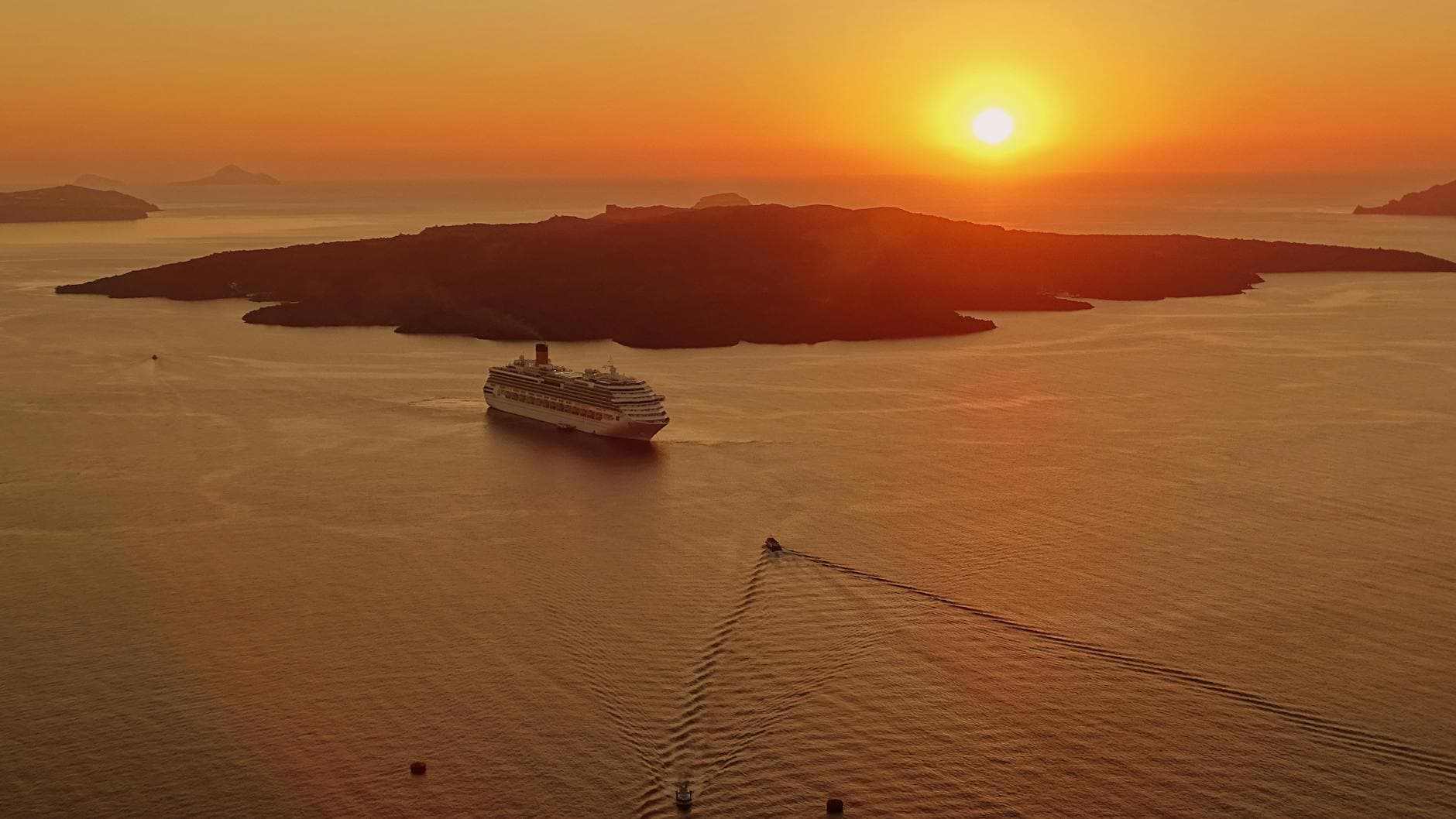
Photo: Pexels
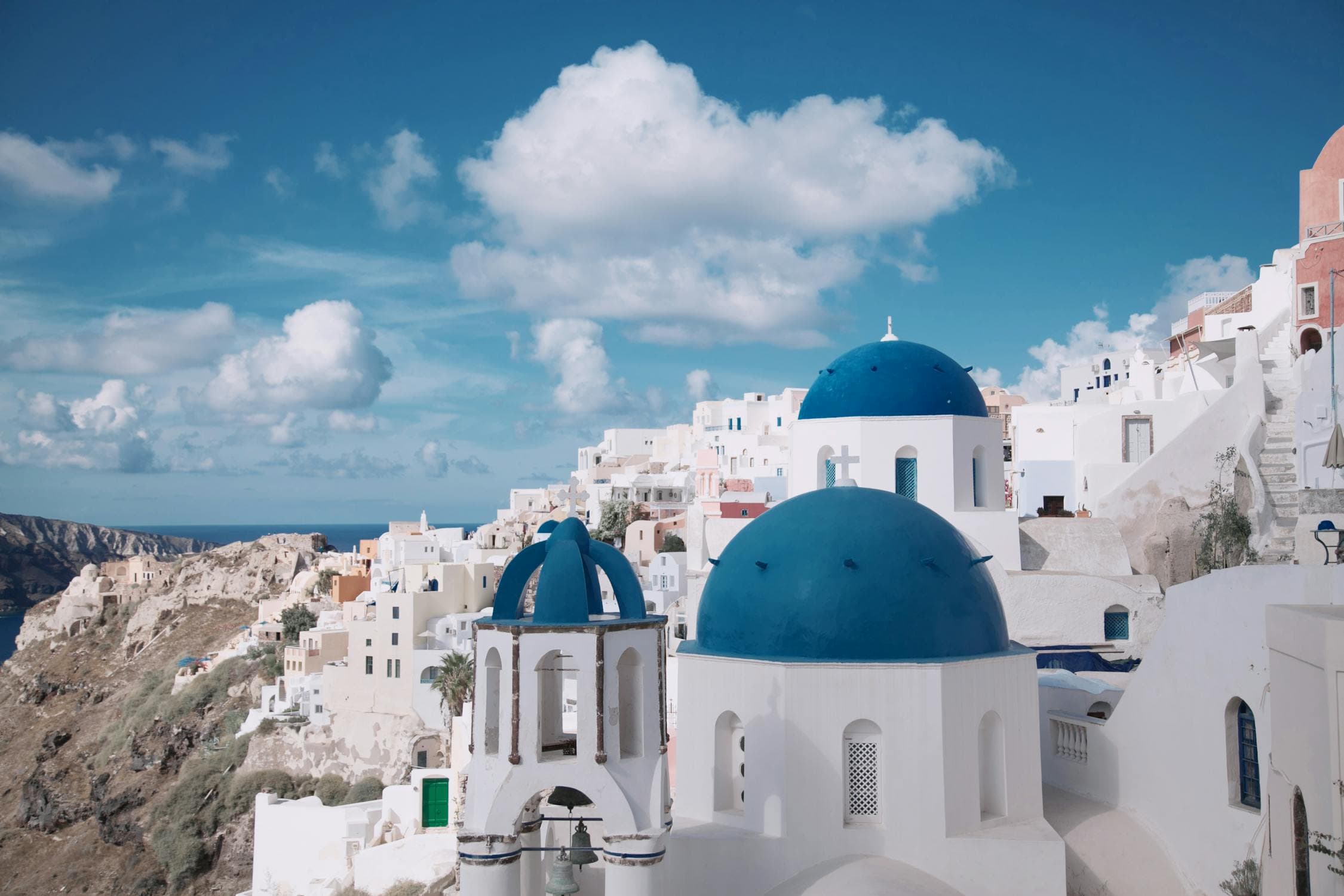
Every couple who types "greece honeymoon" into a search bar has the same mental image: whitewashed walls, a blue-domed church, two glasses of wine against a molten sunset over the caldera. That image is Santorini, and it deserves every bit of its reputation. But building an entire honeymoon around a single island — one that welcomes over 3.4 million visitors a year across just 76 square kilometres — means missing what makes Greece one of the most rewarding honeymoon destinations on the planet.
Greece has 227 inhabited islands. It has a mainland coastline longer than France's. It has mountain gorges, Venetian harbours, Minoan ruins older than the Pyramids, fishing villages where the loudest sound at noon is a cat stretching, and a food culture that treats every meal like it matters. Your honeymoon here can be whatever you want it to be — a caldera-view luxury escape, a barefoot beach crawl through the Cyclades, a history-soaked city break in Athens, or a road trip across Crete that ends at a taverna where the owner's grandmother is still making the pastitsio.
This guide covers all of it. Not just where to stay, but how to move between islands, what things actually cost in 2026, which beaches are worth the effort, and how to build an itinerary that matches your pace as a couple — not a travel influencer's highlight reel.
Table of Contents
- Quick Verdict
- At a Glance
- Island & Region Guide
- Island-Hopping Routes
- Hotels & Resorts by Tier
- Best Time to Visit
- Getting There
- Beaches & Scenery
- Food & Dining
- Activities & Experiences
- Romance Factor
- Safety & Practical Info
- 7-Day Itinerary
- Cost Breakdown
- Our Verdict
- Keep Exploring
- FAQ
Quick Verdict
Greece delivers one of the best value-for-experience honeymoons in Europe. A 7-night trip combining Santorini with a second island runs $3,500–$7,000 per couple at mid-range, roughly 30–40% less than equivalent luxury in the Maldives or Bora Bora. The combination of world-class scenery, walkable towns, exceptional food, and easy ferry connections between islands gives you variety that single-destination honeymoons simply cannot match. The catch: peak season (July–August) brings crowds and heat that genuinely diminish the experience. Time your trip for May–June or September–October and you get the Greece that earns all those superlatives.
At a Glance
| Detail | Greece |
|---|---|
| Best for | Couples who want culture, food, scenery, and variety — not just a resort |
| Budget range | $3,000–$12,000+ for 7–10 nights (flights excluded) |
| Peak season | July–August (hottest, most crowded, highest prices) |
| Sweet spot | Late May–June, September–early October |
| Flight time from NYC | 10–11 hours direct to Athens |
| Visa | EU Schengen — 90 days visa-free for US, UK, Canadian, Australian citizens |
| Currency | Euro (EUR) |
| Language | Greek — English widely spoken in tourist areas |
| Time zone | EET (UTC+2), EEST (UTC+3) in summer |
| Romance score | 9/10 |
| Value score | 8/10 |
Island & Region Guide
Santorini — The Icon
Vibe: Dramatic, photogenic, unapologetically romantic. The caldera — a volcanic crater flooded by the sea — creates the most recognisable coastline in the Mediterranean. Whitewashed villages cling to 300-metre cliffs. Sunsets are a communal event.
Best for: Couples who want the classic postcard honeymoon. Caldera-view suites, cliffside dining, wine tasting, sunset sailing.
Honest downsides: Santorini is a victim of its own beauty. Oia's sunset point draws 1,500+ people nightly in peak season. Cruise ship days (up to 5 ships, 18,000 passengers) flood Fira and Oia between 10am and 5pm. Prices for caldera-view rooms are 2–3x what you'd pay for equivalent quality on other islands.
Stay here:
- Canaves Oia Suites — Caldera-view suites from €550/night in shoulder season. Private plunge pools, Champagne breakfast, genuinely impeccable service. One of the original luxury properties on the island and still among the best.
- Athina Luxury Suites (Fira) — More affordable caldera access from €280/night. Quieter location, infinity pool, rooftop restaurant with unobstructed views.
How long: 3 nights is the sweet spot. Enough for a sunset sail, a winery visit, a caldera-view dinner, and a morning at Red Beach or Perissa — without feeling the repetition that sets in on night 5. For a deep dive into Santorini specifically, see our complete Santorini honeymoon guide.
Mykonos — The Beautiful Disruptor
Vibe: Glamorous, social, energetic. Mykonos is Greece's answer to Ibiza — beach clubs with €25 cocktails, celebrity sightings, cobblestone lanes packed until 3am. But away from the party strip, there are windswept headlands, quiet northern beaches, and a Cycladic old town (Chora) that is genuinely charming.
Best for: Couples who want nightlife mixed with their romance. Beach clubs by day, cocktail bars by night, a Little Venice sunset in between.
Honest downsides: Mykonos is the most expensive Greek island. A sunbed at Nammos Beach Club runs €80–€120 per person. Dinner for two at a waterfront restaurant in Chora rarely drops below €90. If you're not interested in the scene, the price premium makes little sense — spend those euros on Naxos or Paros instead.
Stay here:
- Cavo Tagoo — The most Instagrammed hotel in Greece. Carved into rock above Chora, with an iconic infinity pool that seems to float above the Aegean. Suites from €700/night in June.
- Boheme Mykonos (mid-range) — Boutique hotel in Chora with rooftop pool, stylish rooms, and a fraction of the Cavo Tagoo price tag. From €250/night shoulder season.
How long: 2–3 nights. Unless the party scene is central to your honeymoon, Mykonos is best as one stop on a multi-island itinerary.
Crete — The Soul of Greece
Vibe: Rugged, generous, ancient. Crete is Greece's largest island — 260 km long — and it feels more like a small country than an island. The Samaria Gorge cuts 16 km through the White Mountains. Minoan palaces at Knossos predate classical Athens by 1,500 years. The food is arguably the best in Greece, rooted in mountain herbs, local olive oil, and a tradition of hospitality that goes back millennia.
Best for: Couples who want adventure alongside romance. Gorge hikes, beach road trips, cooking classes, archaeological sites, mountain villages where tourism hasn't polished every edge.
Honest downsides: Crete's size works against short visits. Driving from Chania (west) to Elounda (east) takes 3.5 hours. Public transport is limited outside the north coast. You need a rental car to see the best of the island, and mountain roads demand confidence behind the wheel.
Stay here:
- Domes Noruz Chania — Adults-only, beachfront, with a rooftop infinity pool overlooking Almyrida Bay. Suites from €350/night. Modern Cretan design.
- Blue Palace Elounda — Sprawling resort on the northeast coast with private beach, multiple pools, and bungalows with heated plunge pools facing Spinalonga island. From €400/night. A full-service honeymoon resort.
How long: 4–5 nights minimum. Crete rewards slow travel. Rushing it defeats the purpose.
Athens — The Underrated Opener
Vibe: Urban, layered, surprisingly romantic. Athens has shed its reputation as a gritty stopover. The neighbourhoods below the Acropolis — Plaka, Anafiotika, Koukaki, Psyrri — are walkable, vine-draped, and packed with rooftop bars and tavernas. The Acropolis itself, lit gold against the night sky, is one of the most affecting sights in Europe.
Best for: Couples who want a 1–2 night city prelude before the islands. History, street food, rooftop cocktails, museum mornings.
Honest downsides: Athens in July and August is punishingly hot — 38°C+ with limited shade in archaeological sites. Traffic and noise are constants. It is a city, not a resort.
Stay here:
- AthensWas Hotel — Boutique design hotel on a pedestrian street in Psyrri, with Acropolis-view rooftop terrace. From €220/night.
- Hotel Grande Bretagne — The grand dame of Athens hotels, overlooking Syntagma Square. Rooftop restaurant with Acropolis views. From €380/night. Worth every euro for a one-night splurge.
How long: 1–2 nights. Athens works best as a bookend — arrive, adjust, explore, then ferry or fly to the islands.
Naxos — The Quiet Cycladic Gem
Vibe: Authentic, unhurried, fertile. Naxos is the largest of the Cyclades and the most self-sufficient — it has its own agriculture, its own cheese (graviera), its own marble quarries. The beaches are longer and less crowded than Santorini's or Mykonos's. The old town (Kastro) has Venetian mansions and a 13th-century castle. The Portara — a massive marble doorway from an unfinished Temple of Apollo — frames some of the best sunsets in the Aegean.
Best for: Couples who want beach days, local food, and Cycladic charm without the crowds or the premium pricing.
Stay here:
- Naxian Collection — Luxury villas with private pools on a hillside above Stelida Beach. From €300/night. Quiet, elegant, with views across to Paros.
- Nissaki Beach Hotel — Right on Agios Georgios beach in Naxos Town. Simple, clean, beachfront. From €120/night.
How long: 2–3 nights. Pairs beautifully with Paros (40-minute ferry) or Santorini.
Paros — The New Cool
Vibe: Trendy, relaxed, creative. Paros has become the island where young Athenians and European creatives spend their summers — and the food and bar scene reflects it. Naoussa's harbour is one of the prettiest in Greece. Lefkes, an inland marble village, feels untouched. The windsurfing at Golden Beach draws athletes from across Europe.
Best for: Couples who want a lively but not overwhelming island with great dining, a mix of beaches, and easy connections to neighbouring islands.
Stay here:
- Parilio Hotel — A member of Design Hotels, minimalist Cycladic architecture set around a cross-shaped pool. Suites from €400/night. One of the most photographed hotels in the Cyclades.
- Stelia Mare (Naoussa) — Boutique hotel steps from Naoussa harbour. From €180/night. Excellent value for the location.
How long: 2–3 nights. Pairs naturally with Naxos or Antiparos (10-minute ferry for a day trip).
Rhodes — History Meets Beach
Vibe: Medieval, diverse, warm. Rhodes Old Town is a UNESCO World Heritage Site — a walled medieval city that is one of the best-preserved in Europe. The Street of the Knights, the Palace of the Grand Master, the Jewish Quarter — it is a place where you can lose an entire afternoon wandering. Outside the walls, the island has long sandy beaches on the east coast and wilder, windier shores on the west.
Best for: Couples who want history, beach variety, and a base for exploring the Dodecanese (Symi, Halki, Lindos).
Stay here:
- Lindos Blu — Adults-only, perched on a cliff above Vlycha Bay with views toward Lindos Acropolis. Infinity pool, spa, refined dining. From €320/night.
- Spirit of the Knights (Rhodes Old Town) — A restored medieval mansion turned boutique hotel inside the walls. 6 rooms, atmospheric common areas, rooftop terrace. From €160/night.
How long: 3–4 nights. The combination of Old Town, Lindos, and beach days fills the time easily.
This guide draws on over 40 resort and restaurant evaluations across 7 Greek islands, updated ferry schedules and pricing for the 2026 season, and direct outreach to properties for current rate verification. Where prices are estimates, they reflect published 2025/2026 rack rates and may vary by booking date, room category, and seasonal demand.
Island-Hopping Routes
Island-hopping is what separates a Greece honeymoon from every other beach destination. The ferry network — operated primarily by Blue Star Ferries, SeaJets, and Hellenic Seaways — connects dozens of islands daily in peak season. Highspeed catamarans cut travel times significantly but cost roughly double the conventional ferry price.
Route 1: The Classic Romance Circuit (10 nights)
Athens (2) → Santorini (3) → Paros (2) → Naxos (2) → Athens (1)
The most popular combination for good reason. You open with Athens, fly or ferry to Santorini for the caldera experience, then island-hop through Paros and Naxos by fast ferry (each leg under 2 hours). Return to Athens for a final night before flying home. Total ferry cost: approximately €180–€260 per couple for the island legs.
Route 2: The Adventurer's Loop (12 nights)
Athens (2) → Crete/Chania (4) → Santorini (3) → Mykonos (2) → Athens (1)
For couples who want depth alongside the highlights. Spend 4 nights on Crete's western end — Chania Old Town, Samaria Gorge, Elafonisi Beach — then ferry to Santorini (about 2 hours by SeaJets). After 3 nights of caldera romance, ferry to Mykonos (2.5 hours) for beach clubs and nightlife. Fly back to Athens from Mykonos (40-minute flight, from €45 one-way on Sky Express).
Route 3: The Off-the-Grid Escape (8 nights)
Athens (1) → Naxos (3) → Paros (2) → Antiparos day trip → Milos (2)
Skip the marquee islands entirely. Naxos for beaches and mountain villages. Paros for harbourside dining and the Antiparos day trip (sea caves, quiet beaches). Ferry to Milos — the island of Sarakiniko's lunar-white rock formations and Kleftiko's sea caves accessible only by boat. Milos is still relatively undiscovered and delivers landscapes unlike anywhere else in the Cyclades. Total ferry cost: approximately €120–€180 per couple.
Hotels & Resorts by Tier
Ultra-Luxury (€500–€1,500+/night)
| Property | Island | Why It Stands Out |
|---|---|---|
| Canaves Oia Epitome | Santorini | Private infinity pools, butler service, 9 suites only |
| Grace Hotel Santorini (Auberge) | Santorini | Champagne bar, caldera views from every room |
| Cavo Tagoo | Mykonos | Iconic pool, rock-carved architecture |
| Blue Palace Elounda | Crete | Private beach, heated plunge pools, Spinalonga views |
| Amanzoe | Peloponnese mainland | Aman's Greek outpost — pavilions with private pools, 20 min from ancient Epidaurus |
Mid-Range (€200–€500/night)
| Property | Island | Why It Stands Out |
|---|---|---|
| Athina Luxury Suites | Santorini | Caldera views at half the Oia price |
| Parilio | Paros | Design Hotels member, cross-shaped pool |
| Naxian Collection | Naxos | Hilltop villas, private pools |
| Domes Noruz | Crete | Adults-only beachfront |
| Lindos Blu | Rhodes | Cliffside adults-only with Lindos views |
Budget-Friendly (€80–€200/night)
| Property | Island | Why It Stands Out |
|---|---|---|
| Nissaki Beach Hotel | Naxos | Beachfront in town, clean and simple |
| Stelia Mare | Paros | Steps from Naoussa harbour |
| Aria Lito Mansion | Santorini (Fira) | Restored mansion, no caldera view but charming |
| Lato Boutique Hotel | Crete (Heraklion) | Harbour views, walking distance to Knossos bus |
| AthensWas Hotel | Athens | Rooftop Acropolis terrace, Psyrri location |
Best Time to Visit
May–June: The sweet spot. Temperatures range from 22°C to 28°C. Seas are warm enough for swimming by late May. Wildflowers are still blooming on Crete and the mainland. Crowds are manageable — Santorini receives roughly 40% fewer visitors in May than in August. Prices are 20–30% below peak.
September–October: The second sweet spot. Summer heat eases (24°C–28°C). The sea is at its warmest after months of sun. Crowds thin noticeably after mid-September. Late October brings occasional rain but also dramatically lower prices and near-empty beaches.
July–August: Peak season. Temperatures hit 35°C–40°C. Meltemi winds blow strongly across the Cyclades — refreshing on the beach, miserable on ferry crossings (cancellations and delays are common). Every hotel, restaurant, and sunset viewpoint is at full capacity. Prices peak. If you must travel in high summer, book at least 4–6 months ahead and brace for the intensity.
November–April: Off-season. Many island hotels, restaurants, and ferry routes shut down entirely between November and March. Athens and Crete remain open year-round, but the island-hopping experience is limited. Not recommended for honeymoons unless you specifically want a quiet winter escape on Crete.
Getting There
International flights: Athens International Airport (ATH) is the main gateway, with direct flights from most major cities. From New York: 10–11 hours direct (Delta, Emirates via connection). From London: 3.5 hours (BA, easyJet, Ryanair, Wizz Air). From Dubai: 5 hours. Return flights from Athens in June 2026 start around $650 from NYC, £120 from London.
Direct island flights: Santorini (JTR) and Mykonos (JMK) have international airports receiving seasonal direct flights from London, Paris, and several European cities. Crete has two airports — Heraklion (HER) and Chania (CHQ) — both with international service.
Domestic flights: Sky Express, Aegean Airlines, and Olympic Air connect Athens to most major islands. Athens to Santorini: 50 minutes, from €45. Athens to Crete (Heraklion): 55 minutes, from €40. Inter-island flights exist but are limited — Santorini to Mykonos, for example, is not a regular route by air.
Ferries: The backbone of Greek island travel. Blue Star Ferries runs conventional ferries (slower, cheaper, smoother ride). SeaJets and Hellenic Seaways run highspeed catamarans (faster, pricier, rougher in wind). Athens (Piraeus port) to Santorini: 5 hours by highspeed (€65–€75/person) or 8 hours by conventional (€40/person). Book through FerryHopper or Let's Ferry — both aggregate schedules and allow advance booking with assigned seating. In peak season, book ferries 2–4 weeks ahead for popular routes.
Pro tip: If you're flying into Athens and heading straight to the islands, consider an early domestic flight rather than a ferry. The ferry from Piraeus to Santorini departs at 7:25am, meaning a taxi from the airport at 5:30am. A 45-minute morning flight from Athens to Santorini avoids the port logistics entirely and costs roughly the same as a highspeed ferry ticket.
Beaches & Scenery
Greece has over 16,000 km of coastline and some of the most varied beach landscapes in the Mediterranean. Here are the ones worth planning around.
Santorini
- Red Beach (Akrotiri): Dramatic red and black volcanic cliffs framing a small cove. Photogenic but cramped — arrive before 10am. Rockfall risk; check local advisories.
- Perissa / Perivolos: Long black sand beach on the southeast coast. Sunbeds, tavernas, calmer water. The best beach for a full lazy day on Santorini.
Mykonos
- Elia Beach: The longest beach on the island. Less party energy than Paradise or Super Paradise. Fine sand, clear water, good tavernas.
- Agios Sostis: No sunbeds, no music, no infrastructure. Just a beautiful north-coast beach with a legendary taverna (Kiki's — cash only, no reservations, expect a queue).
Crete
- Elafonisi: Pink-tinged sand, knee-deep turquoise lagoon, feels Caribbean. Southwest corner, 75 minutes from Chania by car. Arrive early in summer — it gets packed by noon.
- Balos Lagoon: Shallow turquoise water enclosed by a sandy spit and rugged cape. Reached by a 20-minute hike from the car park or a boat from Kissamos. One of the most photographed beaches in the Mediterranean.
- Vai: Europe's only natural palm forest beach, on Crete's far eastern tip. Wild, tropical, unlike anywhere else in Greece.
Naxos
- Plaka Beach: 4 km of white sand stretching south of Naxos Town. The northern end has sunbeds; the southern end is deserted. One of the best beaches in the entire Cyclades.
- Mikri Vigla: Split beach with a windsurfing side and a calm swimming side. Mountain backdrop.
Paros
- Kolymbithres: Smooth granite boulders shaped by wind into surreal formations, creating sheltered coves of turquoise water. Short boat ride from Naoussa.
- Santa Maria: Fine sand, shallow water, water sports. More lively than Kolymbithres.
Milos
- Sarakiniko: White volcanic rock eroded into moonscape formations. No sand — you swim off the smooth white stone into deep blue water. Utterly unique.
- Kleftiko: Sea caves and rock arches accessible only by boat. Book a half-day sailing tour from Adamas (from €60/person). The highlight of any Milos visit.
Food & Dining
Greek cuisine is built on a foundation of olive oil, tomatoes, herbs, fresh seafood, and sheep or goat cheese — and it has not been diluted by tourism the way food in some destinations has. The taverna tradition means most meals are shared, unhurried, and far cheaper than equivalent quality in Western Europe.
What to eat:
- Meze spread: Order 4–6 small plates to share. Tzatziki, melitzanosalata (smoky aubergine dip), fava (split pea puree, a Santorini speciality), htipiti (spicy feta dip), saganaki (fried cheese), grilled octopus.
- Fresh fish: Priced by the kilo at most tavernas. Sea bream (tsipoura) and sea bass (lavraki) are reliable choices. Expect €40–€60/kg. Your server will show you the fish before cooking — this is normal.
- Souvlaki: Greece's street food staple. Pork or chicken skewers in pita with tomato, onion, and tzatziki. €3–€4 in Athens, €5–€6 on the islands.
- Lamb kleftiko: Slow-roasted lamb with potatoes and herbs, sealed in parchment. A Cretan speciality.
- Loukoumades: Fried dough balls drizzled with honey, cinnamon, and walnuts. The best dessert in Greece.
Where to eat:
- Ammoudi Fish Tavernas (Santorini): At the base of the Oia cliffs, accessible by 300 steps. Order grilled octopus and white wine while watching fishing boats bob in the tiny harbour. Mains €18–€30. Book for sunset — walk-ins face 90-minute waits in summer.
- Kiki's Taverna (Mykonos): No phone, no reservations, cash only. At Agios Sostis beach. Grilled meats and salads under a vine canopy. Queue from 12:30pm. Worth it.
- Tamam (Chania, Crete): In a converted Ottoman bathhouse in the old town. Cretan-Mediterranean dishes. Lamb with stamnagathi (wild greens) is exceptional. Mains €14–€22.
- Meze Meze (Naoussa, Paros): Harbourside tables, creative takes on classic meze. Tuna tartare, smoked aubergine with pomegranate. Mains €16–€26.
- Karamanlidika (Athens): Deli-taverna in Psyrri serving cured meats, pastourma, and Ottoman-Greek dishes. One of the most interesting meals in Athens. Mains €12–€18.
Budget tip: Eat at bakeries (fournos) for breakfast — a tiropita (cheese pie) or spanakopita (spinach pie) costs €2–€3. Skip hotel breakfast unless it is included and genuinely good. A full taverna dinner for two with wine runs €50–€80 at mid-range places — substantially less than equivalent meals in Italy or France.
Activities & Experiences
- Sunset catamaran sail (Santorini): The single most popular honeymoon activity in Greece. A 5-hour cruise along the caldera, stopping at hot springs and Red Beach, with dinner and wine on board. From €130/person. Book with Santo Cruises or Sunset Oia.
- Wine tasting (Santorini): Santorini's volcanic soil produces Assyrtiko — a minerally white wine unlike anything else in Greece. Visit Santo Wines (caldera views from the terrace, flights from €18) or Venetsanos Winery (smaller, more intimate).
- Samaria Gorge hike (Crete): 16 km, 5–7 hours, one-way. Starts at 1,230 metres in the White Mountains and descends to Agia Roumeli on the south coast, where you catch a ferry back. Open May–October. €5 entry. Demanding but spectacular.
- Knossos visit (Crete): Europe's oldest city, centre of the Minoan civilisation. Partially reconstructed (controversially) by Sir Arthur Evans. €15 entry. Hire a guide (€40–€60 for a 90-minute tour) — without context, it is just coloured columns and confusing foundations.
- Cooking class (Crete or Athens): Learn to make moussaka, dolmades, and baklava from scratch. 3–4 hour classes from €65/person in Chania or €55 in Athens. CookingClass.gr and Crete's Culinary Sanctuaries both run well-reviewed sessions.
- Day trip to Delos (from Mykonos): UNESCO World Heritage archaeological site — the mythological birthplace of Apollo. 30-minute boat from Mykonos, €22 return + €12 entry. No shade, no facilities — bring water, hats, sunscreen.
- Sea kayaking (Milos): Paddle to Kleftiko's sea caves and Tsigrado's hidden beach. Half-day tours from €70/person. One of the most memorable outdoor experiences in the Cyclades.
Romance Factor
Greece does not need to try to be romantic. The ingredients are built into the landscape and culture — warm evenings, outdoor dining, ancient ruins lit against dark skies, the sound of the sea against volcanic rock.
Caldera sunsets (Santorini): Watching the sun drop behind Thirassia from a private suite terrace — not from Oia's packed viewpoint — is one of the defining moments of any honeymoon. Book a caldera-view room for at least one night. The premium is worth it.
Sailing at golden hour: Whether it is a catamaran off Santorini or a traditional caique off Paros, being on the water as the light turns gold is an experience that photographs cannot capture. This is the hour you will remember.
Cliffside dining: Dinner at Lycabettus (Oia) or Lauda (Oia) with the caldera below and stars above. Tables for two are tucked into terraces carved from the cliff. It is theatrical, yes, but earned — the food at both is genuinely excellent, not just scenic. Reserve 3–4 weeks ahead. Expect €120–€180 for two with wine.
Wine villages of Crete: Drive into the hills behind Heraklion to villages like Archanes or Houdetsi. Taste local Vidiano whites and Kotsifali reds at family-run wineries where the tasting is free, the cheese is homemade, and the view stretches to the sea. This is romance without performance.
Moonlit walks through old towns: Plaka in Athens, Chora in Mykonos, Kastro in Naxos, the Old Town in Chania — these places were built for wandering after dark. No agenda, no reservation, just narrow lanes and the occasional cat.
Safety & Practical Info
Safety: Greece is one of the safest honeymoon destinations globally. Violent crime against tourists is extremely rare. Petty theft (pickpocketing on Athens metro, bag-snatching on crowded ferry terminals) exists but is manageable with basic awareness. The islands are exceptionally safe — many travellers leave accommodation unlocked.
Healthcare: EU citizens can use the EHIC/GHIC card. Non-EU travellers should have travel insurance with medical coverage. Pharmacies (farmakeio) are well-stocked and pharmacists can advise on minor ailments. Hospitals exist on major islands (Santorini, Mykonos, Crete, Rhodes); smaller islands have health centres that can stabilise and arrange evacuation.
Driving: International Driving Permit (IDP) recommended for non-EU licence holders. Greek roads range from excellent motorways on Crete to single-lane cliff tracks on smaller islands. ATV/quad bike rentals are ubiquitous but dangerous — hospitalised tourists from quad bike accidents are a regular occurrence on Mykonos and Santorini. Rent a small car instead.
Tipping: Not compulsory but appreciated. Round up the bill or leave 5–10% at tavernas. Tip porters €1–€2 per bag. No tipping expected at cafes or for taxi rides (though rounding up is polite).
Connectivity: 4G/5G coverage is strong across major islands and the mainland. Free Wi-Fi is standard at hotels, cafes, and restaurants. EU roaming applies for EU mobile plans. Non-EU travellers should buy a local SIM (Cosmote or Vodafone, €10–€15 for 10GB) or use an eSIM provider like Airalo (from $5 for 1GB).
Power: European standard — Type C and F plugs, 230V. UK and US travellers need adapters.
Water: Tap water is safe to drink on the mainland and Crete. On smaller Cycladic islands (Santorini, Mykonos), tap water is desalinated and safe but tastes poor — most people buy bottled water (€0.50 from supermarkets).
7-Day Itinerary
This itinerary pairs Santorini with Naxos — caldera drama followed by authentic island life. Adjust the balance based on your preferences.
Day 1: Arrive Athens
Fly into Athens. Transfer to a hotel in Plaka or Koukaki. Walk to the Acropolis viewpoint at Filopappou Hill for your first sunset over the Parthenon. Dinner at Karamanlidika in Psyrri.
Day 2: Athens → Santorini
Morning flight to Santorini (50 minutes, Sky Express or Aegean). Check into your caldera-view hotel in Fira or Imerovigli. Afternoon: explore Fira, walk the caldera path toward Imerovigli (30 minutes, spectacular views). Sunset from your terrace with a bottle of Assyrtiko.
Day 3: Santorini — Oia & Sailing
Morning: drive or bus to Oia. Walk the village before the cruise ship crowds arrive (before 10am). Browse the galleries, photograph the blue domes. Afternoon: sunset catamaran cruise from Ammoudi Bay. Dinner on board.
Day 4: Santorini — Wine & Beach
Morning: visit 2 wineries — Santo Wines for the caldera terrace, then Venetsanos for a more intimate tasting. Afternoon: Perissa Beach for black sand and taverna lunch. Evening: dinner at Ammoudi fish tavernas — walk down the 300 steps from Oia (taxi back up).
Day 5: Santorini → Naxos
Morning highspeed ferry to Naxos (1 hour 40 minutes, SeaJets, €45/person). Check into your accommodation. Afternoon: explore Naxos Town — the Kastro, the Portara at sunset. Dinner at a harbourside taverna.
Day 6: Naxos — Beach & Village Day
Morning: drive to Plaka Beach. Spend the morning swimming and reading on 4 km of white sand. Afternoon: drive inland to the mountain village of Halki — visit the Vallindras Kitron distillery (free tastings of the local citrus liqueur). Continue to Apiranthos, a marble-paved village with Venetian towers. Dinner back in Naxos Town.
Day 7: Naxos → Athens → Home
Morning ferry to Athens (Piraeus) — 3.5 hours by highspeed or 5.5 by conventional. If time allows, a final lunch in Athens near the port or in Monastiraki. Transfer to airport for evening flight home.
Total estimated cost for this itinerary: See the cost breakdown below.
Cost Breakdown
All prices are per couple, excluding international flights. Based on 2025/2026 published rates and verified ferry pricing.
Budget Tier ($2,800–$4,200 / 7 nights)
| Category | Estimated Cost |
|---|---|
| Accommodation (mix of €80–€150/night hotels) | $1,200–$1,800 |
| Ferries (Athens–Santorini–Naxos–Athens, highspeed) | $260–$360 |
| Meals (taverna lunches and dinners, bakery breakfasts) | $700–$900 |
| Activities (1 sailing trip, 1 wine tasting, site entries) | $250–$400 |
| Local transport (buses, taxis, 2-day car rental on Naxos) | $180–$280 |
| Misc (tips, SIM cards, water, souvenirs) | $100–$200 |
Mid-Range Tier ($4,500–$7,500 / 7 nights)
| Category | Estimated Cost |
|---|---|
| Accommodation (€200–€400/night, incl. 2 nights caldera-view) | $2,200–$3,800 |
| Ferries or 1 domestic flight + ferries | $280–$400 |
| Meals (mix of tavernas and 1–2 fine dining experiences) | $900–$1,200 |
| Activities (catamaran sail, wine tour, cooking class, site entries) | $400–$600 |
| Local transport (car rental 3 days, taxis, transfers) | $250–$400 |
| Misc | $150–$300 |
Luxury Tier ($8,000–$15,000+ / 7–10 nights)
| Category | Estimated Cost |
|---|---|
| Accommodation (€500–€1,200/night suites with private pools) | $5,500–$10,000+ |
| Domestic flights + private transfers | $400–$800 |
| Meals (fine dining nightly, hotel breakfast included) | $1,200–$2,000 |
| Activities (private yacht charter, helicopter transfer, spa treatments) | $800–$2,000 |
| Local transport (private drivers, VIP transfers) | $300–$600 |
| Misc | $200–$500 |
For a detailed breakdown of how Greece compares with other destinations, see our complete honeymoon cost guide.
Our Verdict
Greece delivers a honeymoon experience that very few destinations can match in breadth. You get world-class scenery, a food culture that punches above its weight, history measured in millennia, and the freedom to island-hop between completely different atmospheres in a single trip. A caldera sunset on Santorini followed by a quiet beach morning on Naxos, followed by a gorge hike on Crete — no other honeymoon destination offers that range within such a compact geography.
The value proposition is strong. A mid-range 7-night Greece honeymoon runs $4,500–$7,500 per couple before flights — comparable to Thailand or Bali at mid-range, and significantly less than the Maldives or Bora Bora for a similar quality of experience. Greece also avoids the "beautiful but boring" trap that some resort-centric destinations fall into. There is always something to see, taste, or discover beyond your hotel.
The caveats are real. Peak season (July–August) turns the experience from romantic to endurance test on the most popular islands. Santorini's overcrowding is a genuine issue, not a minor inconvenience. Ferry delays in meltemi wind season can disrupt tight itineraries. And Greece, for all its beauty, requires more logistical planning than a single-resort honeymoon — ferries, transfers, multiple check-ins.
But if you travel in shoulder season, build in buffer days, and resist the temptation to cram every famous island into 7 nights, Greece rewards you with a honeymoon that has texture. Not just beauty — texture. The kind of trip where 10 years later, it's not the hotel room you remember but the octopus drying on the line outside a taverna in Ammoudi, or the sound of church bells echoing across a harbour at dusk, or the way your partner looked standing at the Portara with the sea behind them and the sun going down.
That is what a Greece honeymoon delivers. And it is worth every mile of the journey to get there.
Keep Exploring
Destination guides:
- Santorini Honeymoon Guide 2026 — The complete guide to Santorini for couples
- Italy Honeymoon Guide 2026 — The other great Mediterranean honeymoon
- Europe Honeymoon Guide 2026 — All 8 top European honeymoon destinations
- Caribbean Honeymoon Guide 2026 — A different kind of beach honeymoon
- Bali Honeymoon Guide 2026 — Southeast Asia's best-value alternative
- Best Honeymoon Destinations for 2026 — Our full ranked list
Comparisons:
- Santorini vs Amalfi Coast Honeymoon — Two of Europe's most romantic coastlines compared
- Greece vs Italy Honeymoon — The full European honeymoon showdown
- Santorini vs Bali: Honeymoon Comparison — Greece vs Southeast Asia's favourite
Planning resources:
- Best All-Inclusive Honeymoon Resorts 2026 — Including Ikos Dassia on Corfu
- How Much Does a Honeymoon Cost in 2026?
- Cheap Honeymoon Destinations 2026
- Honeymoon Planning Checklist 2026
FAQ
How much does a Greece honeymoon cost? A 7-night Greece honeymoon for two costs $2,800–$7,500 depending on your tier, excluding international flights. The biggest variable is accommodation — a caldera-view suite on Santorini costs 3–5x more than an equally comfortable hotel on Naxos or Paros. Flights from the US add $600–$1,200 per person; from the UK, £100–£300.
Is Greece better than the Maldives for a honeymoon? Different strengths. Greece offers variety, culture, food, and exploration. The Maldives offers seclusion, marine life, and the overwater villa experience. If you want to do things — walk through ruins, eat at tavernas, hop between islands — Greece wins. If you want to do nothing — float, dive, sleep over the ocean — the Maldives wins. Greece is also 30–50% cheaper at comparable quality levels.
Is Santorini too crowded for a honeymoon? In July–August, yes — genuinely. Oia's main paths become shoulder-to-shoulder on cruise ship days. In May–June or September–October, it is manageable and still romantic. The key is to stay in Imerovigli or Firostefani rather than Oia or Fira — same caldera views, a fraction of the foot traffic.
What is the best month for a Greece honeymoon? June and September. June has long days (15+ hours of daylight), warm seas (22–24°C), and pre-peak pricing. September has the warmest sea temperatures (25–26°C), thinning crowds, and harvest season food. May and October are also excellent, with lower prices but slightly cooler water.
How many islands should we visit in 7 days? Two, maximum three. Each island transition costs half a day when you factor in check-out, port transfer, ferry, arrival, and check-in. Three islands in 7 days means 1.5 days lost to logistics. Two islands (e.g., Santorini + Naxos or Santorini + Crete) gives you the variety without the travel fatigue.
Do we need a car in Greece? On Crete, yes — public transport is limited and the island is huge. On Santorini, not essential — buses and taxis cover the main routes, though a car gives you freedom for quieter beaches. On Mykonos, Naxos, and Paros, a car or ATV helps for beach-hopping but is not critical for 2–3 night stays. In Athens, absolutely not — traffic is awful and parking is worse.
Are Greek ferries reliable? Mostly, yes. Blue Star conventional ferries are the most reliable. Highspeed catamarans (SeaJets, Hellenic Seaways) are more affected by wind — cancellations happen 5–10 times per summer on popular routes when meltemi winds exceed safe thresholds. Always book flexible accommodation and avoid scheduling a ferry connection on the same day as an international flight. Build in one buffer day.
Is Greece safe for honeymooners? Very safe. Greece consistently ranks among the safest tourist destinations in Europe. The islands in particular have negligible crime. Standard precautions apply in Athens (watch bags on the metro, avoid Omonia Square late at night). Emergency number: 112 (EU-wide) or 100 (police), 166 (ambulance).
Can we do Greece on a budget? Absolutely. Skip Santorini's caldera-view hotels and stay in Perissa or Kamari (€80–€120/night). Eat at bakeries and tavernas rather than fine dining. Take conventional ferries instead of highspeed. Focus on Naxos, Paros, or Crete — all offer exceptional experiences at 40–60% less than Santorini or Mykonos. A 7-night budget Greece honeymoon is realistic at $2,800–$4,200 for two.
What should we pack? Comfortable walking shoes (cobblestones destroy heels and flip-flops). Sunscreen (SPF 50 — the Aegean sun is fierce). A light scarf or shawl for monastery visits (bare shoulders are not permitted). A windbreaker for ferry decks and meltemi evenings. Swimwear — you will swim more than you expect. And a power adapter (Type C/F, 230V) if you are coming from outside Europe.
Plan Your Trip
Where to Stay in Greece
Hand-picked hotels and resorts across budget, mid-range, and luxury tiers.
Eagles Palace
Mid-RangeCape Sounio Grecotel
Mid-RangeCosta Navarino (The Romanos)
LuxuryAmanzoe
LuxuryNeed personalised recommendations?
Ask our AI Honeymoon Concierge →Compare destinations side-by-side
See how this destination stacks up against others on cost, weather, and romance.