Maldives vs Seychelles Honeymoon 2026: Overwater Villas vs Granite Beaches
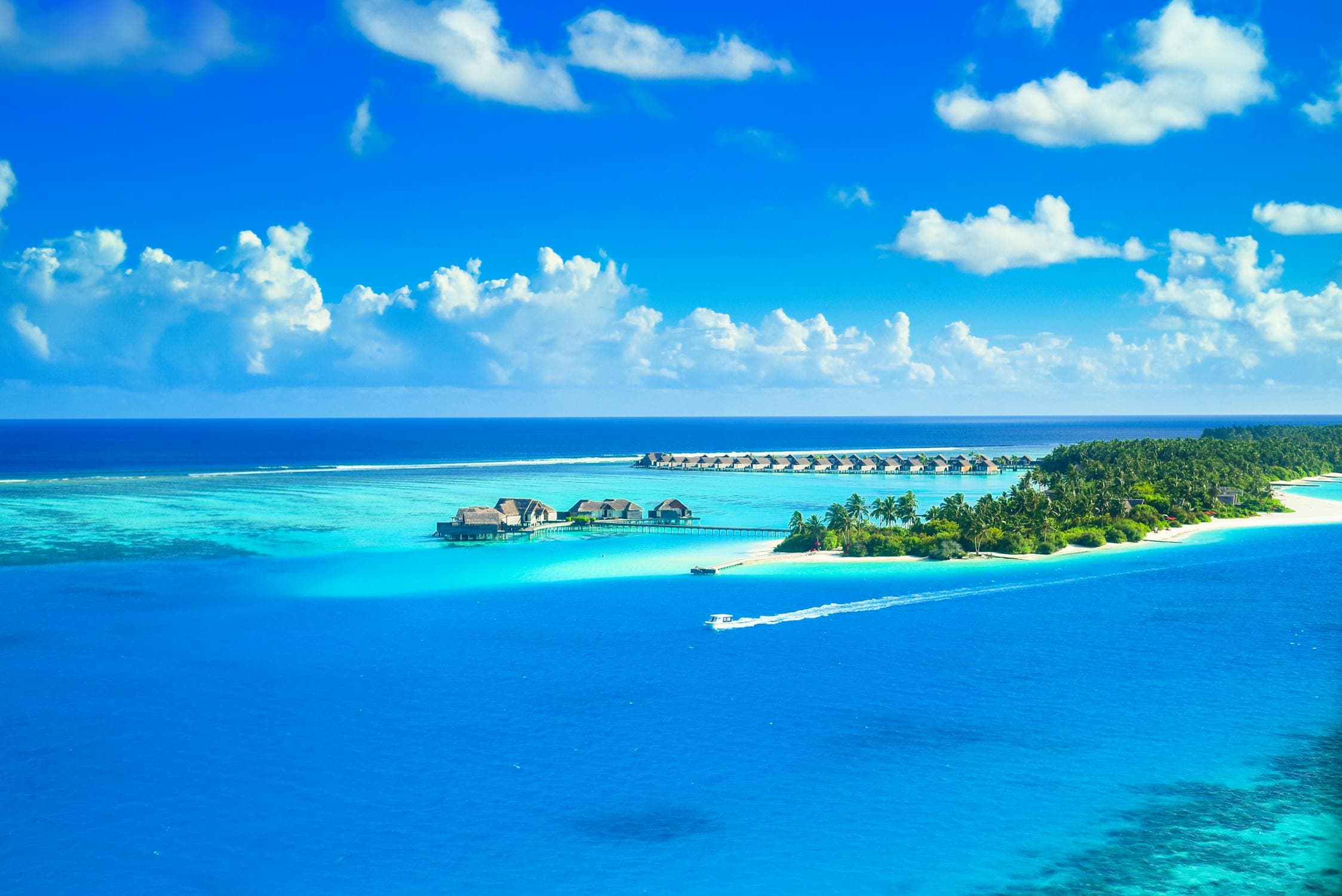
Photo: Pexels
They are both Indian Ocean island paradises. They both appear on every "best honeymoon destinations" list ever published. They both deliver turquoise water, white sand, tropical heat, and the kind of scenery that makes your wedding photographer's work look amateur by comparison. And yet the Maldives and Seychelles deliver fundamentally different honeymoon experiences, and choosing the wrong one for your travel style is the fastest way to spend $10,000 and feel vaguely disappointed.
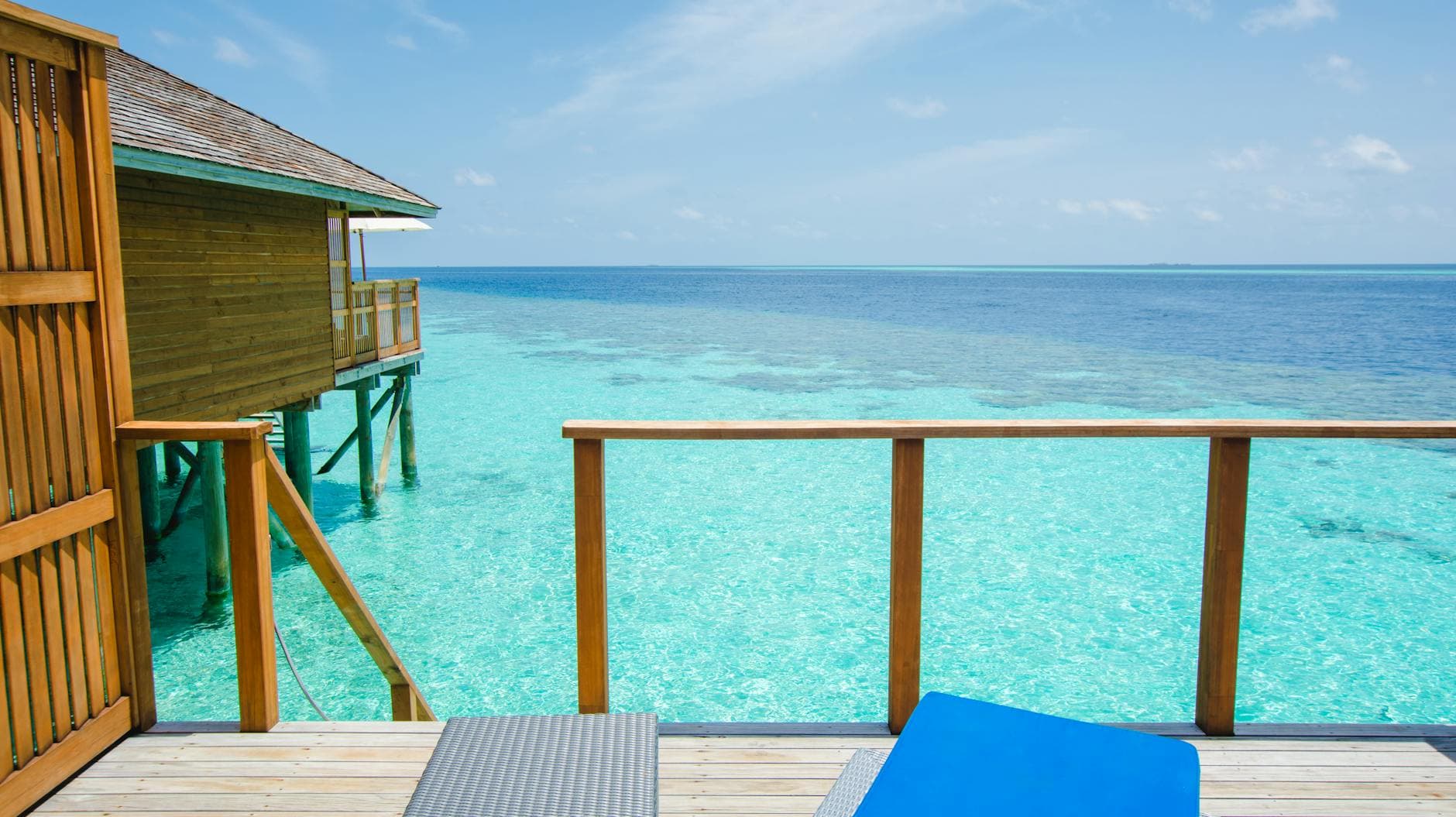
Here is the core tension. The Maldives is 1,192 flat coral islands scattered across 900 km of open ocean, most barely a metre above sea level. The resort model is one-island, one-resort: you arrive by seaplane, you check into your overwater villa, and you do not leave until the seaplane comes back. It is seclusion distilled to its molecular form. The ocean is your floor, your view, your entertainment, and your neighbour. The world outside does not exist.
The Seychelles is 115 islands of granite and coral in the western Indian Ocean, roughly 1,500 km off the east coast of Africa. The landscape is dramatic: enormous granite boulders tumbled across white sand beaches, dense tropical jungle climbing steep hillsides, giant Aldabra tortoises roaming nature reserves. The Seychelles has towns, local restaurants, hiking trails, public beaches, and a Creole culture that permeates everything from the food to the music. You can stay at a world-class resort and still eat grilled fish at a beachside shack run by a family that has lived on the island for generations.
The Maldives is a honeymoon where you retreat from the world. The Seychelles is a honeymoon where you explore a different one.
This guide puts them head to head across every factor that matters (beaches, cost, accommodation, food, activities, romance, weather, and logistics) so you can stop scrolling and start booking the right one.
Table of Contents
- Quick Verdict
- At a Glance
- Getting There
- Best Time to Visit
- Beaches and Scenery
- Resorts and Accommodation
- Food and Dining
- Activities and Experiences
- Romance Factor
- Weather
- Cost Comparison
- Who Should Choose the Maldives
- Who Should Choose the Seychelles
- Can You Do Both?
- Sample Itineraries
- Our Verdict
- Keep Exploring
- FAQ
Quick Verdict
Choose the Maldives if you want total seclusion, world-class snorkelling from your overwater villa, and a honeymoon where you never need to make a decision more complex than which restaurant to eat at tonight. You are paying for privacy, marine spectacle, and the permission to do absolutely nothing.
Choose the Seychelles if you want variety: dramatic granite beaches, Creole cuisine, nature hikes, island-hopping, and a honeymoon that mixes relaxation with genuine exploration. You can go luxury without being trapped in a resort, and your money goes further.
At a Glance: Maldives vs Seychelles
| Category | Maldives | Seychelles |
|---|---|---|
| Best For | Seclusion seekers, snorkellers, spa purists | Explorers, foodies, nature lovers |
| Avg Daily Cost (couple) | $500–$1,500+ | $300–$900 |
| Flight Time (NYC) | 18–22h (via Dubai/Doha) | 18–24h (via Dubai/Doha/Addis Ababa) |
| Flight Time (London) | 10–12h (direct or 1 stop) | 9–12h (direct or 1 stop) |
| Best Months | November–April | April–May, October–November |
| Visa Required | No (30-day free on arrival) | No visa, but every visitor needs a paid Travel Authorisation before flying |
| Overwater Villas | 100+ resorts offer them | Very few (limited to a handful of properties) |
| Vibe | Serene, private, minimalist | Lush, adventurous, culturally rich |
| Beaches | Powder-white, flat, private | Granite boulders, dramatic, iconic |
| Value for Money | Lower (resort-captive pricing) | Higher (self-catering and local dining options) |
| Our Rating | 9/10 | 9/10 |
Getting There
Maldives
All international flights land at Velana International Airport (MLE) in Male, the capital. From there, you transfer to your resort by speedboat or seaplane, and this secondary transfer is a significant logistical and financial factor.
- From the US East Coast: 18–22 hours total. Most routes connect through Dubai (Emirates), Doha (Qatar Airways), or Istanbul (Turkish Airlines). Two connections are common.
- From the US West Coast: 20–24 hours, typically via the same Gulf hubs.
- From the UK: 10–12 hours. British Airways operates seasonal direct flights from London Heathrow. Otherwise, one stop via Dubai or Colombo.
- From Asia: Singapore (4.5h direct), Kuala Lumpur (4.5h direct), Dubai (4h direct). Well-connected from major Asian hubs.
Transfer costs are a real factor. Once you land in Male, you are not at your resort. Resorts in distant atolls are reached by seaplane, priced per person by each resort: Conrad Maldives, for example, lists US$700 per adult return (resort's getting-here page), so US$1,400 for a couple before you have checked in. Closer resorts use speedboats, which cost less. Some resorts include transfers in their rate; many do not. Always confirm before booking.
Seaplanes only operate during daylight hours. If your international flight lands after dark, you will need an airport hotel in Male overnight, an extra $50–$200 plus a day of your honeymoon spent waiting.
Seychelles
International flights land at Seychelles International Airport (SEZ) on Mahe, the largest and most developed island. Unlike the Maldives, the airport is on the main island. You are immediately in the destination.
- From the US East Coast: 18–24 hours total. Connections through Dubai (Emirates), Doha (Qatar Airways), or Addis Ababa (Ethiopian Airlines). No direct US flights.
- From the US West Coast: 22–26 hours via the same routing.
- From the UK: 9–12 hours. Condor and British Airways operate seasonal direct flights from London and Frankfurt. Otherwise, one stop via Dubai, Abu Dhabi, or Nairobi.
- From the Middle East and Africa: Dubai (4.5h direct), Abu Dhabi (4.5h direct), Nairobi (4h direct). Strong connections via Gulf carriers.
Getting to your hotel on Mahe is simple. Most hotels are a 20–60 minute taxi ride from the airport, costing $20–$50. No seaplanes, no $600 transfers.
If you are heading to Praslin or La Digue (the two other main islands, and where some of the best beaches are), you have options: a 15-minute domestic flight to Praslin ($80–$150 per person one-way) or a 1-hour fast ferry ($50–$70 per person one-way). From Praslin, La Digue is a 15-minute ferry. These are affordable, frequent, and do not require daylight-only scheduling.
Winner: Seychelles. Both require long-haul travel with connections, making the raw journey comparable. But the Seychelles eliminates the Maldives' expensive and logistically complex transfer layer. No seaplanes, no daylight restrictions, no $1,200 transfer surcharges. You land on Mahe and you are there.
Best Time to Visit
Maldives: November to April
The Maldives operates on a dual-monsoon calendar:
- Northeast monsoon / dry season (November–April): Clear skies, calm seas, low humidity, and underwater visibility of 30m+. This is peak season. December through March commands the highest resort prices, often 50–100% above shoulder rates.
- Southwest monsoon / wet season (May–October): More rain, rougher seas on western atolls, and reduced diving visibility. Manta ray season peaks June–November in Baa Atoll. Resorts drop rates by 30–50%, and the islands are far less crowded.
Water temperature is 27–30C (80–86F) year-round. You can swim comfortably any month.
Best honeymoon months: November and April offer dry-season conditions with slightly lower pricing than the December–March peak.
Seychelles: April–May and October–November
The Seychelles sits close to the equator and enjoys warm weather year-round, but the calendar is more nuanced:
- Southeast trade winds (May–September): Drier overall, but the southeast coast of Mahe and Praslin can be windy and the sea choppier. Anse Source d'Argent and other northwest-facing beaches are sheltered and at their best. Temperatures run 24–29C (75–84F).
- Northwest monsoon (December–February): Wetter, with heavier but short-lived tropical showers. The ocean is calmer and warmer, excellent for snorkelling and diving. Visibility is good.
- Shoulder months (April–May, October–November): The sweet spot. Minimal wind, calm seas on both coasts, good visibility, and lower prices than peak European holiday periods. These are widely considered the best months to visit the Seychelles.
The Seychelles does not have a cyclone season. Unlike Fiji or Mauritius, it sits outside the cyclone belt entirely, a genuine advantage for peace of mind when booking.
Best honeymoon months: April, May, October, and November. You get the best weather, the calmest seas, and avoid peak European and Middle Eastern holiday surcharges.
The Planning Angle
Here is a useful overlap: the Maldives' peak season (November–April) and the Seychelles' shoulder sweet spots (April–May, October–November) partially coincide. If you are getting married in October or November, the Seychelles is ideal. If your wedding is December through March, the Maldives has more reliable conditions. April works well for both.
Winner: Seychelles, by a margin. The Seychelles has a more consistent year-round climate, no cyclone risk, and two excellent shoulder windows with lower prices. The Maldives is fantastic November–April but punishes you with rougher seas and reduced visibility in the wet season. The Seychelles rarely has a truly bad weather month.
Beaches and Scenery
This is where the two destinations differ most visually, and where personal preference matters most.
Maldives: Infinite Blue Minimalism
The Maldives is flat. The highest natural point in the entire country is roughly 2.4 metres above sea level. There are no hills, no cliffs, no jungles, no waterfalls. What you get is ocean stretching to the horizon in every direction, sandbars that appear and disappear with the tide, and a colour palette that shifts from pale aquamarine to deep sapphire across the space of a single lagoon.
- Beach quality: Exceptional and consistent. Every resort island has its own ring of fine white sand: powdery, bright, and cool underfoot. The beaches are private to each resort, uncrowded, and manicured. You will not share sand with anyone outside your hotel.
- The lagoon effect: Most resort islands sit inside their own lagoon, creating that signature graduated colour from pale turquoise near shore to deep blue at the reef edge. It is photogenic to the point of seeming artificial. It is not.
- Underwater scenery: This is the Maldives' strongest card. The house reefs (coral formations accessible directly from the beach or your overwater villa steps) are alive with reef sharks, sea turtles, manta rays, eagle rays, moray eels, and dense clouds of tropical fish. The marine diversity here is genuinely world-class. Many resorts have resident marine biologists who lead guided snorkel sessions.
- What you do not get: Landscape variety. There is no above-water drama: no boulders, no peaks, no forests. The beauty is horizontal and aquatic. After a few days, the visual experience above the waterline is consistent: sand, palm, ocean, sky.
Seychelles: Granite Drama Meets Tropical Jungle
The Seychelles is one of the most geologically distinctive places on earth. These are the only mid-oceanic islands made of granite (the rest of the world's mid-ocean islands are volcanic or coral). The result is a landscape that looks like nothing else: enormous grey and pink granite boulders, some the size of houses, tumbled across white sand beaches, framed by jungle-covered hills and transparent turquoise water.
- Beach quality: Exceptional and varied. Anse Source d'Argent on La Digue is regularly named the most photographed beach on earth, and for good reason. Massive sculpted granite boulders divide the shoreline into a series of intimate coves, the sand is fine and pale pink-white, and the shallow water is warm and calm. Anse Lazio on Praslin is a wide crescent of white sand backed by takamaka trees, with excellent snorkelling at both ends. Grand Anse on La Digue is wilder, with bigger surf and a sense of remoteness. Beau Vallon on Mahe is the social beach: restaurants, water sports, sunset bars.
- Beyond the beach: The Seychelles has real topography. The Morne Seychellois National Park on Mahe rises to 905 metres, with hiking trails through cloud forest. The Vallee de Mai on Praslin is a UNESCO World Heritage Site: a primeval palm forest home to the coco de mer, the world's largest seed, and the black parrot. Cousin Island is a nature reserve teeming with giant tortoises, hawksbill turtles, and rare birds.
- Underwater scenery: Good, though a tier below the Maldives. The coral reefs around the inner islands suffered bleaching in 1998 and 2016, and while recovery is underway, the Maldives' reefs are generally healthier and more diverse. That said, snorkelling at Anse Lazio, St. Pierre Islet, and around Curieuse Island is genuinely rewarding: hawksbill turtles, octopuses, and reef fish are common.
Verdict: Beaches and Scenery
This is a genuine split decision. The Maldives has the better underwater spectacle and the more pristine house reefs. The Seychelles has the more dramatic above-water scenery: the granite boulders, the jungle, the variety of beach types. If your honeymoon is primarily about what is beneath the surface, the Maldives wins. If you want beaches that tell a visual story and a landscape that changes every time you turn a corner, the Seychelles wins.
Winner (beaches): Seychelles. The variety and visual drama of Anse Source d'Argent, Anse Lazio, and Grand Anse (plus the granite boulder backdrop that exists nowhere else on earth) give the Seychelles an edge in pure beach beauty. The Maldives beaches are perfect but uniform.
Winner (underwater): Maldives. Not close. The house reef access, marine diversity, and coral health are significantly stronger.
Resorts and Accommodation
Maldives: The One-Island, One-Resort Universe
The Maldives resort model is unique in global tourism. Each resort occupies its own island, the entire island. There are no neighbours, no public access points, no external visitors. You are a guest of the island itself.
- Overwater villas are the signature accommodation. Glass floor panels, private decks with steps into the lagoon, outdoor showers, and sometimes private pools suspended over the water. Over 100 resorts offer them, from mid-range ($400/night) to ultra-luxury ($5,000+/night).
- Beach villas sit on the sand with direct beach access, often with private plunge pools and garden bathrooms. Generally 20–40% cheaper than overwater equivalents.
- The all-inclusive trap: Most Maldives resorts offer meal plans: half-board, full-board, or all-inclusive. Because you cannot eat anywhere else (there are literally no restaurants outside the resort), meal plans are essential. Half-board (breakfast + dinner) typically adds $100–$200 per person per day. Full all-inclusive (all meals + standard drinks) adds $150–$350 per person per day. Alcohol is expensive and heavily marked up: a glass of wine easily runs $15–$25.
- Range of options: The Maldives has properties at every price point, from guesthouse stays on local islands ($80–$150/night, no overwater villa, no alcohol due to local regulations) to the stratospheric end (Soneva Fushi, One&Only Reethi Rah, St. Regis, Waldorf Astoria) where a week for two runs $15,000–$40,000+.
Key resort names for honeymooners: Baros Maldives (intimate, exceptional house reef), Lily Beach (strong all-inclusive value), Constance Moofushi (excellent diving), Anantara Dhigu (good mid-range overwater villas), Gili Lankanfushi (barefoot luxury), Soneva Fushi (the original Maldives luxury resort).
Seychelles: Variety Is the Defining Feature
The Seychelles accommodation market is fundamentally different from the Maldives. There is no one-island, one-resort model. You stay on islands that have towns, roads, other hotels, and local life. This is either a drawback or an advantage, depending on what you want from a honeymoon.
- Luxury resorts exist and are world-class. Four Seasons Desroches Island is a private-island experience on a remote coral island (the closest thing to the Maldives model). Six Senses Zil Pasyon on Felicite Island delivers granite-bouldered luxury on a private island with just 30 villas. North Island is one of the most exclusive (and expensive) resorts on earth: 11 villas, total privacy, giant tortoises on the beach.
- Boutique hotels are plentiful and charming. Many are owner-operated, small (10–30 rooms), and built into the hillsides of Mahe, Praslin, and La Digue. Expect $150–$400/night with genuine character, personalised service, and views that rival the big brands.
- Self-catering apartments and villas are a genuinely viable option. On Mahe and Praslin, you can rent a well-equipped apartment or hillside villa for $80–$200/night and cook with fresh fish from the market, eat at local restaurants, and control your own schedule. This option does not exist in the Maldives.
- Guesthouses and B&Bs on La Digue are particularly appealing: charming Creole-style houses steps from the beach, run by local families, for $60–$150/night.
Overwater villas are rare. Unlike the Maldives, the Seychelles does not have a widespread overwater villa culture. A small number of properties offer them (including the new overwater suites at some resort developments), but if sleeping above the ocean is non-negotiable for your honeymoon, the Maldives is the clear choice.
Key resort names for honeymooners: Six Senses Zil Pasyon (private island luxury), Raffles Seychelles Praslin (beachfront suites), Constance Ephelia Mahe (large resort, two beaches), Le Domaine de L'Orangeraie La Digue (boutique with pool villas), Hilton Seychelles Labriz (former plantation island), North Island (ultra-exclusive).
Verdict: Resorts and Accommodation
If you want overwater villas and the private-island resort model, the Maldives wins by a wide margin. It is the global leader in this specific category. If you want variety, flexibility, and the ability to control costs through self-catering or boutique stays, the Seychelles wins. The Seychelles also rewards resort-hopping across islands in a way the Maldives does not: staying 3 nights on Mahe, 3 on Praslin, and 2 on La Digue is a natural and rewarding itinerary.
Winner (overwater villas): Maldives. Not a contest.
Winner (variety and value): Seychelles. The range from $80/night self-catering to $3,000/night private island gives you far more flexibility to design a honeymoon that fits your budget without sacrificing quality.
Food and Dining
Maldives: Resort Dining, Beautiful but Captive
Food in the Maldives is excellent at the higher-end resorts and merely adequate at the mid-range ones. The fundamental constraint is that you eat where you sleep. There are no external restaurants, no local eateries, no street food stalls. Every meal comes from your resort's kitchen.
- Quality at the top end: Resorts like Soneva Fushi, One&Only Reethi Rah, and Huvafen Fushi employ internationally trained chefs and offer multiple specialty restaurants (Japanese, Italian, Middle Eastern, seafood grill, overwater dining). The food can be genuinely outstanding.
- Quality at the mid-range: Decent but repetitive. Many mid-range resorts cycle through the same buffet themes (Asian night, BBQ night, seafood night) and supplement with one or two a-la-carte restaurants. After 5–7 nights, the rotation can feel predictable.
- Cost: Resort dining is expensive by any standard. A couple having breakfast, lunch, and dinner at a mid-range resort will spend $150–$400 per day on food alone, before alcohol. Wine markups are aggressive ($40–$80 for a bottle that retails for $15). This is why meal plans are almost mandatory. They cap your food costs at a (still high but predictable) daily rate.
- Local Maldivian cuisine: Traditional Maldivian food, such as mas huni (tuna with coconut), garudhiya (fish broth) and roshi (flatbread), is simple, flavourful, and fish-centric. Some resorts offer Maldivian nights, but this cuisine is underrepresented in the resort dining scene. If you stay at a local island guesthouse, you will eat more authentically and for a fraction of the price.
Seychelles: Creole Soul and Local Character
The Seychelles has a genuine food culture, and eating here feels fundamentally different from the Maldives. Creole cuisine (a fusion of African, French, Indian, and Chinese influences filtered through island ingredients) is the backbone, and it is excellent.
- Creole cuisine highlights: Grilled fish (often caught that morning) with chilli sauce and ladob (coconut curry). Octopus curry. Bat curry (yes, fruit bat, and it is actually good). Breadfruit chips. Green papaya salad. Fresh coconut water everywhere. The flavours are bold, aromatic, and distinctly not resort-generic.
- Local restaurants are accessible and affordable. On Mahe, La Digue, and Praslin, you can eat excellent Creole food at beachside restaurants and family-run takeway (takeaway) shops for $15–$40 per person for a full meal including drinks. Marie Antoinette on Mahe (a colonial plantation house serving set Creole menus since 1972) is a beloved institution. On La Digue, the Fish Trap and Chez Jules serve fresh catch daily.
- Market culture: The Sir Selwyn Selwyn-Clarke Market in Victoria (Mahe's capital) is a lively, photogenic morning experience: fresh fish laid out on ice, tropical fruits, spices, local crafts. If you have self-catering accommodation, shopping here for ingredients is one of the genuinely pleasurable parts of a Seychelles trip.
- Resort dining: Also available and generally good, though the mid-range properties are less food-obsessed than Maldives high-end resorts. The advantage is that you are never locked in. You can eat at the hotel tonight and at a Creole beachside grill tomorrow.
- Alcohol: SeyBrew (the local beer) is solid and affordable. Takamaka rum, distilled on Mahe, is the local spirit and makes an excellent souvenir. Wine is imported and expensive everywhere, but nowhere near Maldives resort markup levels.
Verdict: Food and Dining
Winner: Seychelles. This is not about absolute quality at the top end: the best Maldives resort restaurants are world-class. It is about the overall food experience across a 7-night honeymoon. The Seychelles gives you genuine culinary variety: Creole home cooking, local restaurants with character, market ingredients, a distinct food culture. The Maldives gives you resort dining, polished and professional, but ultimately repetitive and expensive. The freedom to leave your hotel and eat at a beachside shack is worth more than a fifth night of the same resort buffet rotation.
Activities and Experiences
Maldives: Deep and Narrow
The Maldives does a small number of things at a world-class level:
- Snorkelling and diving. This is the primary reason to visit. The house reef snorkelling at top resorts (Baros, Lily Beach, Constance Moofushi, Reethi Rah) is extraordinary: reef sharks, turtles, manta rays, and vibrant coral all accessible from the beach or your villa steps. Organised dive trips explore channels, shipwrecks, and cleaning stations where you swim alongside whale sharks and manta rays. The Maldives has over 200 known dive sites. If underwater experiences are your priority, nowhere on earth delivers more consistently.
- Spa and wellness. Every resort has a spa, and many are exceptional: overwater treatment rooms with glass floors, Ayurvedic programmes, yoga pavilions, sound healing sessions. The isolation of the Maldives lends itself perfectly to wellness retreats.
- Sunset dolphin cruises on traditional dhoni boats. Spinner dolphins are abundant in the Maldives, and sunset dolphin-watching excursions are a highlight at nearly every resort.
- Sandbank picnics. A private boat drops you on an uninhabited sandbar in the middle of the ocean with champagne, a picnic lunch, and snorkelling gear. Genuinely romantic.
- Water sports. Jet skiing, parasailing, wakeboarding, kayaking, stand-up paddleboarding. Standard resort offerings.
What the Maldives does not have: hiking trails, cultural sites, towns to explore, markets to wander, nightlife beyond the resort bar, local communities to visit (unless you specifically book a local island excursion), or any meaningful land-based activity beyond walking the perimeter of your island in 15 minutes.
The honest assessment: After 5–7 days, couples who need activity variety often find the Maldives limiting. The magic is real, but the activity menu is short. This is by design. The Maldives sells stillness, not stimulation.
Seychelles: Broad and Deep
The Seychelles has a genuine adventure layer that sits alongside the beach relaxation:
- Island-hopping. This is the defining activity. Mahe, Praslin, and La Digue each have distinct characters, and moving between them by ferry or domestic flight is easy, affordable, and part of the experience. Boat trips to smaller islands, such as Curieuse (giant tortoises and mangroves), Cousin (seabird sanctuary) and St. Pierre (snorkelling paradise), are half-day excursions that feel like genuine expeditions.
- Hiking. The Seychelles has real trails. The Anse Major trail on Mahe follows the coastline to a secluded beach. The Fond Ferdinand Nature Reserve on Praslin offers canopy-level views. The Morne Seychellois summit trail on Mahe climbs to 905 metres through cloud forest. None of these are extreme (most are 2–4 hour walks) but they add a physical, exploratory dimension the Maldives completely lacks.
- Nature reserves. The Vallee de Mai on Praslin (UNESCO) is a prehistoric palm forest that feels like walking into the Jurassic period. Giant Aldabra tortoises are found on multiple islands: La Digue has a reserve where you can walk among them. Bird Island is a flat coral island that hosts over a million sooty terns during nesting season. The ecological richness is genuine.
- Cycling La Digue. La Digue has almost no cars. The primary transport is bicycle. Renting a bike and cycling between beaches, through vanilla plantations, and past colonial estate ruins is one of the most charming half-days you can spend on a honeymoon. It is the kind of shared experience that creates stories.
- Snorkelling and diving. Good, though not Maldives-level. The best snorkelling spots are St. Pierre Islet, Anse Lazio's rocky edges, and the marine park off Moyenne Island. Diving around the inner islands is rewarding, with hawksbill turtles, whale sharks (seasonally), and coral recovering well from past bleaching events.
- Culture. Victoria, the capital, is one of the world's smallest capital cities and can be explored in a morning. The Creole Institute, the botanical gardens, the Hindu temple, and the clocktower (a replica of London's Vauxhall Clock Tower) are all walkable. The Seychelles' Creole Festival (late October) is a vibrant celebration of music, food, and dance.
The honest assessment: The Seychelles will never bore an active couple. There is always another beach to find, another island to hop to, another trail to hike, another fish restaurant to try. The trade-off is that it requires more planning and initiative than the Maldives, where the resort handles everything.
Verdict: Activities and Experiences
Winner: Seychelles. Decisively. The Maldives is best-in-class for underwater activities and spa wellness, but the total activity offering is narrow. The Seychelles delivers everything the Maldives does above water (minus the overwater villa experience) plus hiking, island-hopping, cycling, nature reserves, cultural experiences, and a local food scene. If you need more than 3–4 days of content in your honeymoon, the Seychelles has it.
Romance Factor
Both destinations deliver romance. This is their job. But they deliver different kinds of it.
Maldives: Seclusion as Romance
The Maldives romance model is built on isolation. You and your partner are placed on a private island, in a private villa, with the ocean as your private garden. The world contracts to two people and a horizon. The romance is not about shared adventures or new discoveries together. It is about shared stillness.
- Private overwater dining: Many resorts offer dinners served on your villa deck or on a private sandbank, with the ocean under the stars. This is the Maldives at its most romantic, and it is genuinely difficult to replicate anywhere else.
- Sunrise and sunset from bed: Overwater villas face the ocean. You wake up to the sunrise and fall asleep to the sound of the reef. The intimacy is architectural.
- Couples' spa rituals: Overwater treatment rooms, flower baths, sunset yoga for two. The wellness-as-romance pipeline is well-developed.
- The "no decisions" factor: After months of wedding planning (the decisions, the logistics, the family negotiations), the Maldives offers a honeymoon where no decisions are required. Someone else cooks. Someone else cleans. Someone else decides the sunset time. You just exist, together. For many couples coming off wedding burnout, this is the most romantic thing of all.
Seychelles: Adventure as Romance
The Seychelles romance model is built on shared exploration. You discover things together: a hidden beach around a granite headland, a Creole restaurant that a taxi driver recommended, a jungle trail that opens onto an ocean view neither of you expected.
- Anse Source d'Argent at golden hour: Walking between granite boulders on pink-white sand as the light turns the rock faces amber. This is one of the most romantic settings on earth, and it is a public beach, no resort required.
- Cycling La Digue together: Side by side on bicycles through vanilla plantations and coconut groves, stopping to swim at empty beaches. It is the kind of low-key romantic experience that feels more real than a butler-served dinner.
- Sunset from the Praslin hills: Hiking to a viewpoint and watching the sun drop behind the granite islands scattered across the ocean.
- Cooking together: If you have self-catering accommodation, shopping at the Victoria market and cooking Creole fish curry together with a bottle of Takamaka rum is a surprisingly romantic evening.
- Boat trips to private islands: Chartering a boat to a deserted granite island for a day of swimming and exploring feels more adventurous than a Maldives sandbank picnic, because you actually had to find it.
Verdict: Romance Factor
Winner: Tie. This genuinely depends on your relationship. If romance for you means total privacy, zero logistics, and the world shrinking to just the two of you: the Maldives. If romance means exploring together, sharing new experiences, laughing about a wrong turn on a bicycle, and discovering a restaurant that becomes "our place": the Seychelles. Both are deeply romantic. The Maldives is romance as retreat. The Seychelles is romance as adventure. Know which one your partnership needs after the wedding.
Weather
Both destinations are tropical and warm year-round. The differences are in the seasonal patterns and reliability.
Maldives
- Dry season (November–April): Calm seas, clear skies, excellent visibility. Humidity around 70–80%. Temperatures 28–31C (82–88F). Very little rain.
- Wet season (May–October): Southwest monsoon brings more cloud cover, afternoon showers, and rougher seas on western atolls. Temperatures remain warm (27–30C). Rain is usually intense but short-lived.
- Water temperature: 27–30C (80–86F) year-round.
- Risk factor: No cyclone risk. The Maldives sits close to the equator and outside the cyclone belt.
Seychelles
- Southeast trades (May–September): Drier, slightly cooler (24–29C), breezier. Southeast-facing beaches can be choppy. Northwest-facing beaches (including Anse Source d'Argent) are sheltered and calm.
- Northwest monsoon (December–February): Warmer (27–31C), more humid, with regular but short tropical showers. The ocean is calmer overall.
- Shoulder months (March–April, October–November): Light winds, warm water, calm seas on both coasts. Generally the best conditions.
- Water temperature: 26–29C (79–84F) year-round.
- Risk factor: No cyclone risk. Like the Maldives, the Seychelles sits near enough to the equator to avoid cyclones, a significant advantage over competitors like Mauritius and Fiji. Mauritius sits in the cyclone belt and carries a small but real risk between November and April, which is worth factoring in if you are comparing Maldives and Mauritius as alternatives.
Verdict: Weather
Winner: Seychelles, narrowly. Both are warm year-round with no cyclone risk. The Maldives has a sharper dry/wet divide that can genuinely impact your experience in the wet season (rougher seas, reduced visibility). The Seychelles has a gentler seasonal variation, and the shoulder months (April–May, October–November) offer superb conditions at lower prices. The Maldives peak season (December–March) is phenomenal, but the wet season penalty is steeper.
Cost Comparison
This is where the Seychelles pulls significantly ahead for value-conscious honeymooners.
7-Night Honeymoon for Two: Budget Comparison
| Expense | Maldives (Budget) | Maldives (Mid-Range) | Maldives (Luxury) | Seychelles (Budget) | Seychelles (Mid-Range) | Seychelles (Luxury) |
|---|---|---|---|---|---|---|
| Flights (2 pax, from US) | $2,400 | $3,000 | $4,800 | $2,200 | $3,200 | $5,000 |
| Transfers | $600 | $900 | $1,200 | $100 | $200 | $400 |
| Accommodation (7 nights) | $2,100 | $5,600 | $14,000 | $700 | $2,100 | $7,000 |
| Food & Drinks (7 days) | $700 | $1,400 | $2,500 | $350 | $700 | $1,800 |
| Activities/Excursions | $300 | $800 | $2,000 | $250 | $600 | $1,500 |
| Spa | $200 | $500 | $1,200 | $100 | $300 | $800 |
| Local Transport/Misc | $50 | $100 | $300 | $150 | $300 | $500 |
| TOTAL | $6,350 | $12,300 | $26,000 | $3,850 | $7,400 | $17,000 |
Key Cost Differences Explained
- Accommodation is the largest gap. A Maldives overwater villa at a mid-range resort runs $600–$1,000/night. A Seychelles boutique hotel room with ocean views runs $200–$400/night. Self-catering in the Seychelles can drop accommodation costs to $100–$200/night with no loss of location quality.
- Transfers create an invisible tax in the Maldives. Seaplane or speedboat transfers add $600–$1,200 for a couple before you have seen your room. In the Seychelles, a taxi from the airport to your hotel is $30–$50.
- Food costs diverge dramatically. The Maldives resort-captive dining model means $100–$400/day for a couple on food. In the Seychelles, a couple eating at local restaurants spends $40–$80/day, including drinks. Over 7 days, this gap reaches $700–$2,200.
- The self-catering option. The Seychelles offers a cost layer that simply does not exist in the Maldives. A well-positioned self-catering apartment on Mahe or Praslin for $100–$200/night, combined with market shopping and local restaurant meals, delivers a genuinely excellent honeymoon for $3,500–$5,000 total, less than the budget Maldives option.
- Flights are comparable. Both destinations require connections through Gulf hubs for most travellers. Pricing is similar, though the Seychelles sometimes edges slightly higher due to fewer route options.
Bottom line on cost: A mid-range Seychelles honeymoon ($7,400) costs roughly what a budget Maldives honeymoon ($6,350) does when you account for the richer experience. A luxury Seychelles honeymoon ($17,000) undercuts a luxury Maldives trip ($26,000) by over $9,000. The Seychelles delivers more variety, more food experiences, and more activity content per dollar spent.
Winner: Seychelles. The pricing flexibility (from $3,850 self-catering to $17,000 private island luxury) gives the Seychelles a structural cost advantage. The Maldives has a high floor built into its resort-island model, and there is no way around it.
Who Should Choose the Maldives
The Maldives is the right honeymoon if the following describes you:
- Overwater villas are non-negotiable. The Maldives is the global capital of overwater living. If waking up above the ocean, stepping off your deck into a lagoon, and watching fish through glass floor panels is your honeymoon vision, no other destination comes close.
- You want total seclusion. No towns, no traffic, no other tourists on your beach. The one-island, one-resort model means your world is your resort. For couples who have spent 12 months surrounded by wedding logistics and family opinions, this enforced isolation is restorative.
- Snorkelling and diving are a priority. The house reefs in the Maldives are the best in the world for accessibility and diversity. Swimming with reef sharks, manta rays, and turtles from your villa steps is a daily occurrence, not a special excursion.
- You genuinely want to do nothing. And you mean it. No itinerary, no logistics, no "we should probably go see that thing." The Maldives is permission to be still. If you and your partner are both wired this way, it is paradise.
- Budget is not the primary constraint. The Maldives delivers an extraordinary experience, but it is expensive. If you are comfortable spending $10,000–$25,000 on a 7-night honeymoon and want every dollar to go toward privacy, luxury, and marine spectacle, the Maldives is a worthy investment.
- You are travelling from Europe or the Middle East. The flight connections are shorter and more direct from London, Dubai, or Doha.
Who Should Choose the Seychelles
The Seychelles is the right honeymoon if the following describes you:
- You want variety in your honeymoon. Different beaches, different islands, different restaurants, different activities each day. The Seychelles rewards curiosity. You will not run out of things to see in a week.
- Food matters to you. Not just good resort food, actual food culture. Creole cuisine, local restaurants with character, markets with fresh fish and tropical fruit, a bottle of local rum on the balcony. If food is how you connect with a place, the Seychelles delivers in a way the Maldives cannot.
- You are active and exploratory. You want to hike a jungle trail, cycle through a vanilla plantation, snorkel off a granite islet, and then collapse on a beach. The Seychelles has a genuine adventure layer that the Maldives does not.
- Value matters. The Seychelles is not cheap, but it is dramatically more flexible than the Maldives. Self-catering, boutique hotels, local restaurants, and affordable inter-island transport give you tools to control costs without sacrificing experience quality. A $7,000 Seychelles honeymoon is richer in content than a $12,000 Maldives honeymoon.
- You love dramatic landscapes. Granite boulders, jungle-covered peaks, giant tortoises, coco de mer forests, the Seychelles above-water scenery is unlike anywhere else on earth. If you are a photographer, the Seychelles gives you more to work with.
- You are nature lovers. The ecological richness (endemic species, nature reserves, UNESCO sites) gives the Seychelles a depth that the Maldives' reef-only natural environment cannot match.
- You want a honeymoon that includes local culture. The Creole heritage, the music, the architecture, the food traditions: the Seychelles has a cultural identity that you will encounter daily. The Maldives resort model insulates you from local culture almost entirely.
Can You Do Both?
Yes. And it is a legitimately excellent option for couples who cannot decide.
The Maldives and Seychelles are both in the Indian Ocean, but they are roughly 3,200 km apart. There are no direct flights between them. The most practical routing connects through Dubai, Doha, or Colombo, with total journey time of 6–10 hours including the connection.
A Combined Itinerary:
- Days 1–5: Seychelles. Fly into Mahe. Spend 2 nights on Mahe (explore Victoria, hike Morne Seychellois, beach at Beau Vallon). Ferry to Praslin for 2 nights (Anse Lazio, Vallee de Mai). Day trip to La Digue (cycle to Anse Source d'Argent). This gives you the adventure, culture, and variety phase.
- Days 6–10: Maldives. Fly Mahe to Male via Dubai or Colombo. Seaplane to your resort. Check into your overwater villa. Spend 4–5 nights doing nothing except snorkelling, spa, and watching the ocean from your deck. This is the decompression phase.
Estimated additional cost for the connecting flights: $400–$800 per person. Total trip budget for the combination: $12,000–$20,000 for two at the mid-range level.
Why this works: You get the variety and exploration of the Seychelles first, when you still have energy and curiosity. Then you transition to the total stillness of the Maldives for the final days, arriving home deeply rested rather than restless. The order matters: doing the Maldives first and then the Seychelles can feel jarring, like going from meditation to a theme park.
Sample Itineraries
7 Days in the Maldives: Seclusion and Reef
Day 1: Arrive, transfer to resort. Land at MLE, seaplane transfer to your atoll. Check into your overwater villa. Spend the afternoon exploring the house reef with snorkel gear. Watch the sunset from your deck with champagne. Dinner at the resort's main restaurant.
Day 2: Snorkel and spa. Morning guided snorkel session on the house reef: the marine biologist shows you where the resident turtles and reef sharks hang out. Long lunch on the beach. Afternoon couples' spa treatment in the overwater pavilion. Dinner at the Asian specialty restaurant.
Day 3: Dolphin cruise and sandbank. Lazy morning on the deck, reading and swimming from the villa steps. Afternoon sunset dolphin cruise on a traditional dhoni: spinner dolphins are almost guaranteed. Return for dinner at the seafood grill.
Day 4: Private sandbank picnic. A boat takes you to an uninhabited sandbar in the middle of the ocean. Champagne, a packed lunch, snorkelling gear, and total privacy. Returned to the resort by late afternoon. Night snorkelling session after dinner: the reef transforms after dark.
Day 5: Dive or deep snorkel. For certified divers, a two-tank morning dive at a nearby channel or wreck site. For non-divers, a guided snorkel safari to an outer reef. Afternoon free. Overwater villa dinner served on your private deck.
Day 6: The do-nothing day. Sleep late. Swim. Order room service. Read. Watch fish through the glass floor panels. Take a kayak around the island (15-minute circumnavigation). Stargaze from the deck after dinner. Do not leave the villa unless absolutely necessary.
Day 7: Depart. Final sunrise from the deck. Breakfast. Seaplane back to Male. International flight.
Estimated cost (this itinerary): $7,000–$15,000 for two including flights from the US, mid-range overwater villa (7 nights), half-board meal plan, seaplane transfers, and 2–3 excursions.
7 Days in the Seychelles: Exploration and Granite Beaches
Day 1: Arrive in Mahe. Land at SEZ, taxi to your hotel on the northwest coast (near Beau Vallon). Afternoon swim at Beau Vallon beach. Sunset drinks at a beachside bar. Dinner at a Creole restaurant: grilled red snapper, octopus salad, and a SeyBrew.
Day 2: Mahe exploration. Morning visit to Victoria: the market, the botanical gardens, a walk through the colonial streets. Afternoon hike to Anse Major (coastal trail, secluded beach at the end, swimming in clear water). Evening at Marie Antoinette restaurant for the full Creole set menu in a colonial plantation house.
Day 3: Ferry to Praslin. 1-hour Cat Cocos ferry to Praslin. Check into your hotel near Anse Lazio. Afternoon at Anse Lazio beach, widely considered one of the world's best beaches. Snorkelling at the rocky edges. Sunset from the beach. Dinner at a beachside restaurant.
Day 4: Vallee de Mai and island exploration. Morning visit to the Vallee de Mai UNESCO World Heritage Site: walk through the primeval coco de mer forest, spot black parrots. Afternoon boat trip to Curieuse Island: giant Aldabra tortoises, mangrove boardwalk, barbecue lunch on the beach. Snorkelling at St. Pierre Islet on the way back.
Day 5: Day trip to La Digue. 15-minute ferry to La Digue. Rent bicycles. Cycle to Anse Source d'Argent, the granite boulder beach that looks like a film set. Swim, explore, photograph. Cycle to Grand Anse (wilder, more dramatic). Lunch at Fish Trap. Explore L'Union Estate (vanilla, copra, giant tortoises). Ferry back to Praslin for dinner.
Day 6: Beach and spa day. This is your do-nothing day. Morning at Anse Lazio or Anse Georgette (accessible by foot trail or hotel boat). Spa treatment at your hotel. Afternoon reading by the pool. Sunset from the terrace. Final Creole dinner: bat curry if you are feeling adventurous, grilled fish if you are not.
Day 7: Return to Mahe, depart. Morning ferry back to Mahe. If time permits, a quick visit to Anse Intendance (wild, dramatic beach on the south coast). Taxi to the airport. Depart.
Estimated cost (this itinerary): $4,500–$9,000 for two including flights from the US, boutique hotel accommodation on Mahe and Praslin, all inter-island ferries, local restaurant dining, and activities.
Our Verdict
Both the Maldives and the Seychelles are world-class honeymoon destinations. Neither is a wrong choice. But they serve different couples, and being honest about which type you are will determine which one leaves you with better memories.
The Maldives is the better honeymoon if: You have a larger budget and your honeymoon vision is built around an overwater villa, world-class snorkelling, and the luxury of doing absolutely nothing in a private paradise. The Maldives delivers this specific experience better than any destination on earth. It is not versatile, but in its lane, it is unmatched.
The Seychelles is the better honeymoon if: You want a complete experience: stunning beaches, genuine food culture, nature and wildlife, island-hopping adventure, and the flexibility to design each day differently. It delivers 80% of the Maldives' beach and ocean quality with twice the variety, at roughly 60% of the cost. For the majority of honeymooning couples, that is the stronger value proposition.
If we have to pick one recommendation for most couples: The Seychelles. Here is why. Most honeymoons are 7–10 days, and the Seychelles fills that time with more range and richness. You get world-class beaches (Anse Source d'Argent alone is worth the flight), you get a food culture that rewards exploration, you get nature reserves and hiking trails and island-hopping logistics that create shared stories, and you get all of it at a price point that leaves room for a better hotel room or a longer trip. A couple spending $8,000 on a Seychelles honeymoon will come home with more stories, more photos of different places, and more variety of experience than a couple spending $12,000 on a Maldives honeymoon.
But if the overwater villa is the dream: Go to the Maldives. Do not compromise. The Seychelles cannot match that specific experience. Some honeymoon fantasies are worth paying for exactly as imagined, and the Maldives overwater villa (waking up above the ocean, stepping off the deck into the reef, watching the sunset from a bathtub with the Indian Ocean beneath you) is one of them.
If you have the budget and the time: Do both. Seychelles first for the exploration, Maldives second for the rest. Ten days, two countries, the complete Indian Ocean honeymoon.
Keep Exploring
Destination guides:
- Complete Maldives Honeymoon Guide 2026: Every atoll, resort tier, and budget scenario
- Maldives Honeymoon Packages 2026: Curated packages by budget level
- Best Honeymoon Destinations for 2026: Our full ranked list
- Luxury Honeymoon Guide 2026: The top-tier options worldwide
More comparisons:
- Maldives vs Bora Bora Honeymoon: The two overwater villa capitals compared
- Fiji vs Maldives Honeymoon: South Pacific warmth vs Indian Ocean seclusion
- Bali vs Maldives Honeymoon: Budget-friendly vs ultra-luxury showdown
Planning tools:
- How Much Does a Honeymoon Cost in 2026?: Real numbers for every budget level
- Budget Calculator: Build your personalised trip budget
- Compare Destinations: Side-by-side destination comparison tool
- Honeymoon Planning Checklist 2026: Timeline, tasks, and tips
FAQ
Is the Maldives or Seychelles cheaper for a honeymoon?
The Seychelles is significantly cheaper at every budget level. A mid-range 7-night Seychelles honeymoon with boutique hotel stays, local restaurant dining, island-hopping, and activities costs $7,000–$9,000 for two. The equivalent Maldives trip with an overwater villa, half-board meals, and seaplane transfers costs $12,000–$15,000 for two. The gap comes from three factors: Maldives resort-captive dining ($150–$400/day for a couple vs $40–$80/day in the Seychelles), expensive seaplane transfers ($600–$1,200 per couple), and higher accommodation floor prices due to the private-island resort model. The Seychelles also offers a self-catering option that simply does not exist in the Maldives, enabling excellent honeymoons for $3,500–$5,000 total.
Which has better beaches: Maldives or Seychelles?
Both have exceptional beaches, but they look completely different. The Maldives has uniform powder-white sand, turquoise lagoons, and total privacy. Every resort beach is pristine, flat, and uncrowded. The Seychelles has more dramatic and varied beaches: Anse Source d'Argent features sculpted granite boulders on pink-white sand, Anse Lazio is a wide white crescent backed by jungle, and Grand Anse is wild and surf-battered. For underwater beauty (reefs, marine life), the Maldives wins decisively. For above-water visual drama and photographic variety, the Seychelles wins. Neither has bad beaches by any reasonable standard.
Can I get overwater villas in the Seychelles?
Very few options exist. The Seychelles does not have the widespread overwater villa infrastructure that defines the Maldives. A small number of newer resort developments have added overwater suites, but availability is extremely limited compared to the Maldives' 100+ resorts offering them. If sleeping above the ocean is central to your honeymoon vision, the Maldives is the destination to choose. The Seychelles compensates with hillside villas overlooking the ocean, beachfront suites steps from the sand, and private pool villas, different but equally luxurious accommodation styles.
Which is better for snorkelling and diving?
The Maldives, by a significant margin. The house reefs accessible directly from resort beaches and overwater villa steps are among the best in the world. Reef sharks, sea turtles, manta rays, whale sharks (seasonally), and extraordinarily diverse coral ecosystems are daily encounters. The Seychelles offers good snorkelling and diving (particularly around St. Pierre Islet, Anse Lazio, and Curieuse Island) but the coral suffered bleaching events in 1998 and 2016, and while recovery is ongoing, the Maldives reefs are generally healthier and more biodiverse. If underwater experiences are the primary motivation for your honeymoon, choose the Maldives.
How long should I spend in the Maldives vs the Seychelles?
For the Maldives, 5–7 nights is the sweet spot. Because you are on a single resort island, most couples find a week is perfect before the seclusion starts to feel limiting. Longer stays work if you split between two resorts on different atolls. For the Seychelles, 7–10 days is ideal. The multi-island format (Mahe, Praslin, La Digue) means you can fill 10 days without repeating experiences. A common split is 2–3 nights Mahe, 3–4 nights Praslin, and 1–2 nights (or a day trip) La Digue.
Is the Seychelles safe for honeymooners?
Very safe. The Seychelles consistently ranks as one of the safest countries in Africa and the Indian Ocean region. Violent crime against tourists is extremely rare. Petty crime (bag theft, car break-ins) exists at low levels: use your hotel safe and do not leave valuables in a rental car. The standard travel precautions apply. There are no dangerous animals, no malaria, and the Seychelles sits outside the cyclone belt. The biggest practical concern is sunburn and sea currents at some beaches: Anse Intendance and Grand Anse have strong currents that require caution.
When is the cheapest time to visit each destination?
For the Maldives, the wet season (May–October) offers the best deals, with resorts dropping rates 30–50% below peak. The trade-off is rougher seas and more rain, though the manta ray season in Baa Atoll (June–November) is a genuine draw. For the Seychelles, the shoulder months of April–May and October–November offer the best combination of weather and pricing. The most expensive periods in the Seychelles coincide with European and Middle Eastern school holidays (July–August, December–January). Booking 3–6 months ahead for either destination typically secures the best rates.
Can I combine the Maldives and Seychelles in one trip?
Yes, though there are no direct flights between them. The most practical connection routes through Dubai, Doha, or Colombo, with total travel time of 6–10 hours. The recommended order is Seychelles first (for the active, exploratory phase) then Maldives (for the rest and seclusion phase). Budget an extra $400–$800 per person for the connecting flights. A 10–12 day combined trip at mid-range level costs $12,000–$20,000 for two and delivers the definitive Indian Ocean honeymoon experience.
Planning a Maldives or Seychelles honeymoon? Explore our destination guides, use our budget calculator to build your trip budget, or check our planning checklist to get started.
Plan Your Trip
Where to Stay in Maldives
Hand-picked hotels and resorts across budget, mid-range, and luxury tiers.
Still deciding between destinations?
Compare them side-by-side →Compare destinations side-by-side
See how this destination stacks up against others on cost, weather, and romance.