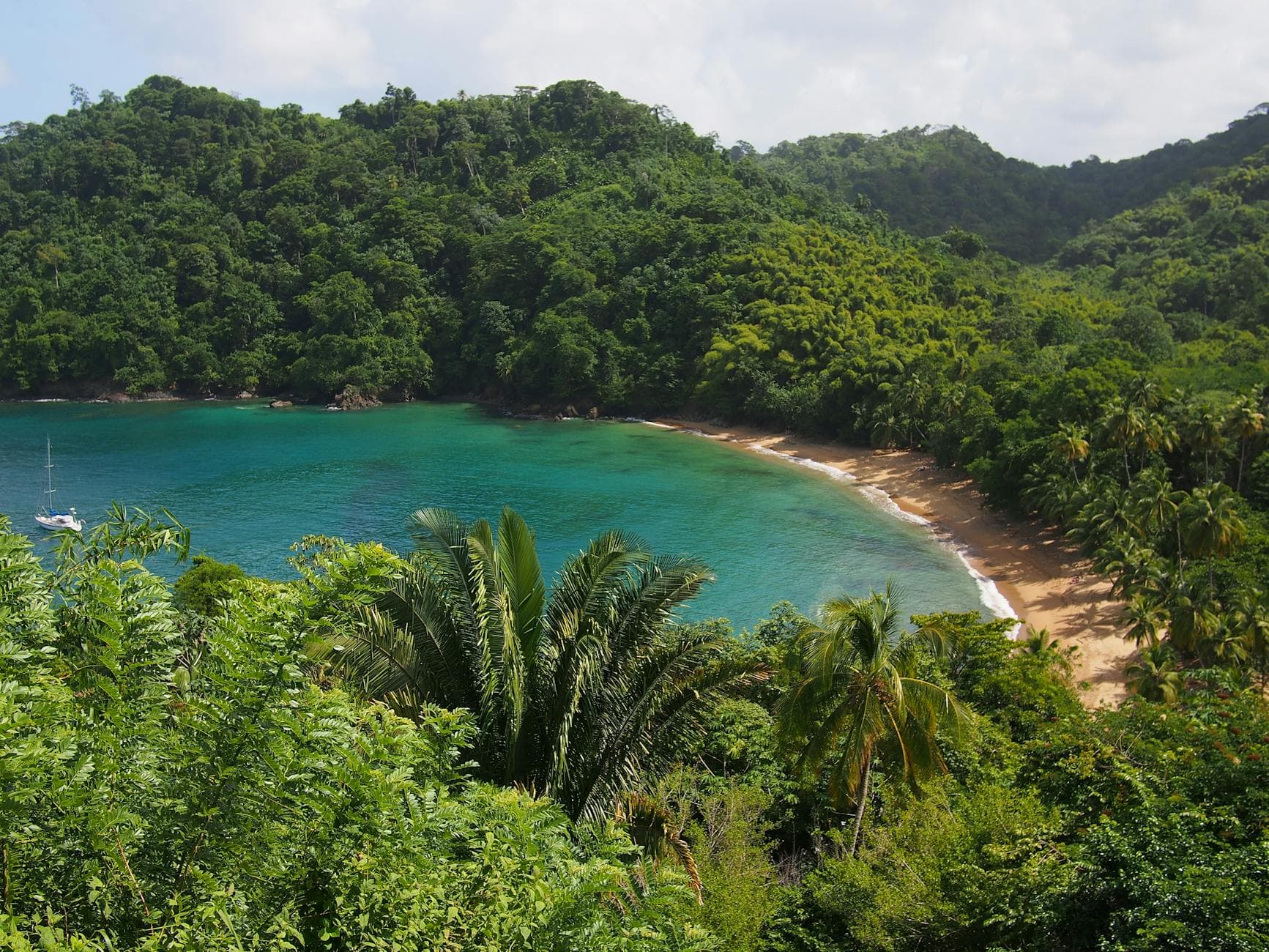
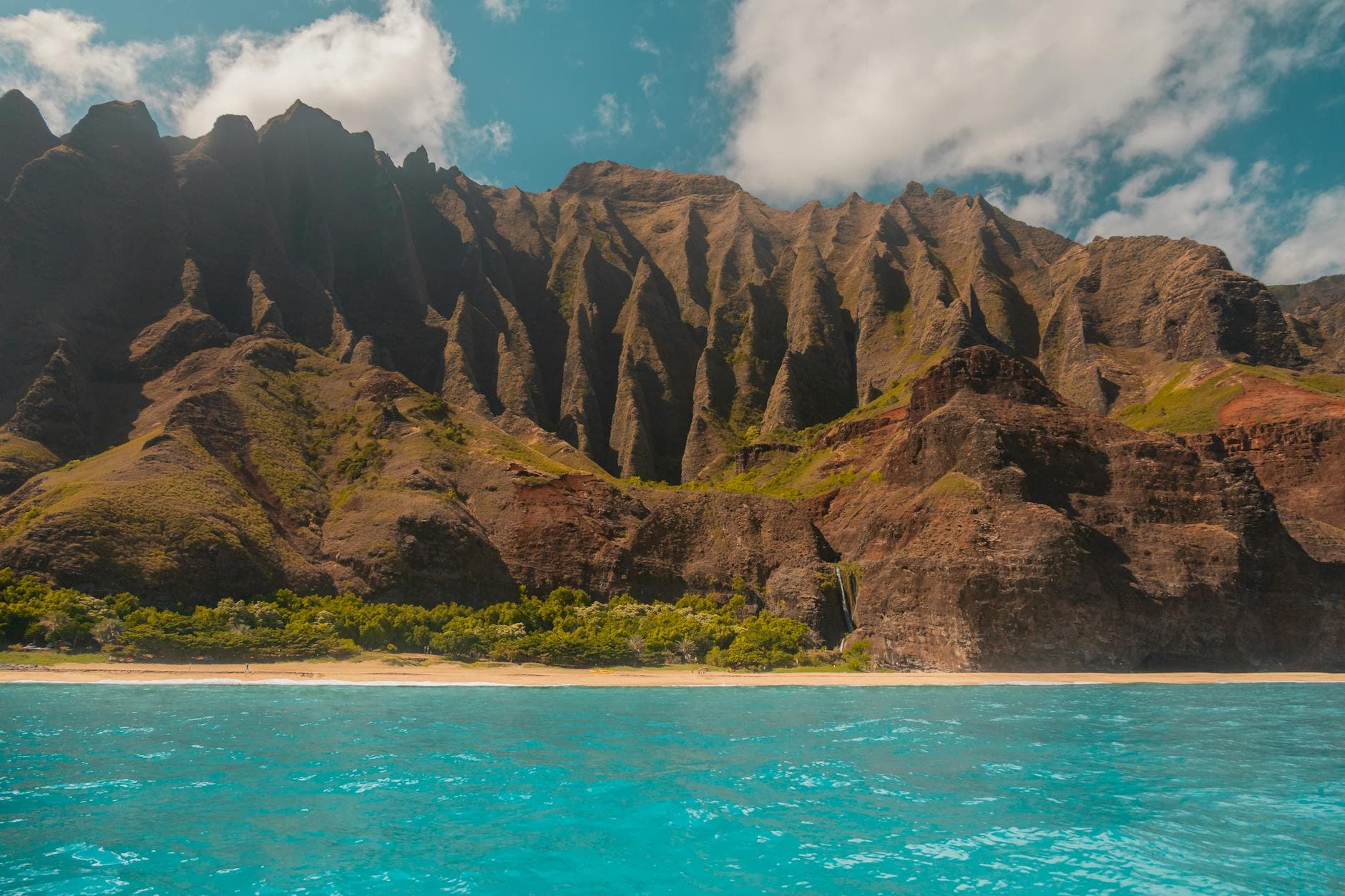
Caribbean vs Mexico Honeymoon: Which Is Right for You? (2026)
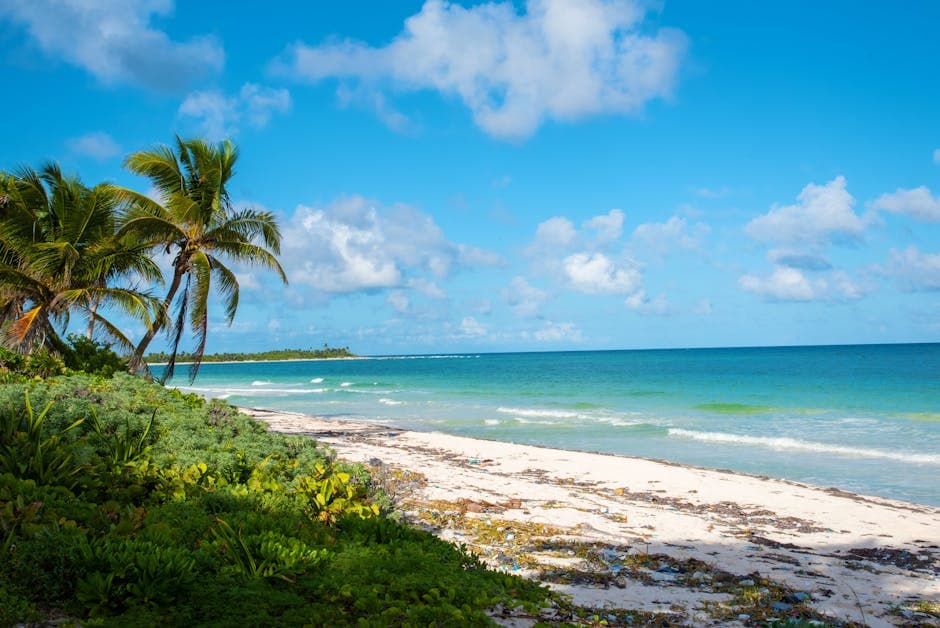
Photo: Edgar Del Valle on Pexels
One takes you to a collection of islands scattered across 1,000 miles of warm turquoise sea, each with its own accent, cuisine, music, and personality. The other takes you to a single vast country where you can swim in underground cave systems in the morning, explore 2,000-year-old Mayan ruins by afternoon, and sit down to one of the greatest food cultures on earth by dinner, all for less than a comparable day in most Caribbean islands.
The Caribbean and Mexico are the two most popular warm-weather honeymoon destinations for North American couples. They share the same ocean, the same latitude, and many of the same selling points: white sand, all-inclusive resorts, direct flights from major US hubs, and weather that cooperates from November through April.
But they deliver fundamentally different honeymoons.
The Caribbean is not one destination: it is dozens of them, each island a distinct country or territory with its own vibe, price point, and rhythm. Jamaica and St Lucia are different trips. Turks and Caicos and Barbados are different trips. The Bahamas and Antigua are different trips. Choosing "the Caribbean" is really choosing which island, and that decision changes everything.
Mexico, by contrast, is a single country with extraordinary regional variety. The Riviera Maya is the all-inclusive corridor. Tulum is the boho-chic beach scene. Puerto Vallarta is the Pacific coast charmer. Oaxaca is the culinary and cultural heartland. Los Cabos is desert-meets-ocean drama. You can combine multiple regions in a single trip without needing a passport or a new currency.
This guide puts them head to head across every category that matters (beaches, all-inclusive value, total cost, culture, food, nightlife, safety, and logistics) so you can stop going back and forth and start planning the right trip.
Table of Contents
- Quick Verdict
- At a Glance
- Beaches
- All-Inclusive Value
- Cost Comparison
- Culture and Activities
- Food and Dining
- Nightlife
- Safety
- Getting There
- Best Caribbean Islands for Honeymoons
- Best Mexico Regions for Honeymoons
- 7-Night Cost Breakdown
- Who Should Choose the Caribbean
- Who Should Choose Mexico
- Our Verdict
- Keep Exploring
- FAQ
Quick Verdict
Choose the Caribbean if you want a pure beach honeymoon on an island that feels like its own world: turquoise water, reef snorkelling, rum punches at sunset, and the sense that the rest of the planet has stopped existing. Each island offers something different, from the lush volcanic peaks of St Lucia to the powdery calm of Turks and Caicos.
Choose Mexico if you want a honeymoon that combines beach time with genuine cultural depth (ancient ruins, cenotes, world-class street food, tequila distilleries, colonial towns, and a food scene that rivals anything in Europe) all at prices that make the Caribbean look expensive.
At a Glance: Caribbean vs Mexico
| Category | Caribbean | Mexico | Edge |
|---|---|---|---|
| Beaches | Dozens of distinct islands, each with unique coastline | Riviera Maya, Pacific coast, Baja: varied but mainland | Caribbean |
| All-Inclusive Value | Jamaica and DR are AI capitals; higher-end islands are resort-heavy | Riviera Maya AI corridor has massive competition driving value | Tie |
| Total Cost (7 nights, flights included) | $3,000-$18,000+ from budget to luxury (flights from the US East Coast) | $2,200-$13,800+ from budget to luxury (flights from the US) | Mexico |
| Culture & Activities | Island-hopping, snorkelling, sailing, music, rum distilleries | Ruins, cenotes, markets, cooking classes, tequila trails | Mexico |
| Food | Varies wildly by island; jerk, seafood, island fusion | One of the world's great cuisines; incredible variety | Mexico |
| Nightlife | Jamaica and Barbados lively; most islands quiet | Cancun and Playa del Carmen are party capitals | Mexico |
| Safety | Generally safe on resort islands; petty crime varies | Resort zones very safe; exercise caution outside tourist areas | Tie |
| Flights from US | Direct to major islands; connections needed for smaller ones | Direct to Cancun from 50+ US cities; very cheap | Mexico |
| Best For | Beach purists, island romantics, resort couples | Foodies, culture seekers, adventurers, budget-conscious | Depends |
Beaches
Caribbean
The Caribbean's beaches are the reason the Caribbean exists as a honeymoon destination. Full stop.
What makes them special is not just the sand or the water. It is the sheer variety across islands that are sometimes only 50 miles apart. Grace Bay in Turks and Caicos is a 12-mile ribbon of powdery white sand meeting water so clear you can see the bottom at 30 feet. Seven Mile Beach in Jamaica is a lively stretch of golden sand with beach bars, vendors, and reggae drifting from every direction. The Pitons in St Lucia frame a volcanic black-sand cove that looks like it was designed by a film set decorator.
Each island delivers a completely different beach personality:
- Turks and Caicos: Calm, pristine, absurdly clear water. Grace Bay consistently ranks among the world's best beaches. Minimal crowds. The sand is flour-fine and blindingly white.
- St Lucia: Dramatic volcanic coastline. Sugar Beach sits between the Pitons in a setting that photographs like nothing else in the hemisphere. Water is warm, snorkelling is excellent, and the backdrop is pure theatre.
- Barbados: Two coasts, two personalities. The west coast (Platinum Coast) has calm, warm Caribbean water perfect for swimming. The east coast has Atlantic surf and rugged cliffs. Crane Beach is pink-tinged and spectacular.
- Antigua: 365 beaches, one for every day. Most are small, secluded coves with powder sand and reef-protected water. Half Moon Bay is a crescent of perfection that somehow never gets crowded.
- Aruba: Eagle Beach is wide, flat, and calm. The island sits below the hurricane belt, so weather is almost guaranteed. Trade winds keep it comfortable even in peak summer. The water is warm, shallow, and impossibly blue.
The common thread is turquoise water that looks artificially enhanced in photos but actually looks even better in person. Caribbean water gets its colour from shallow sandy bottoms and minimal river runoff: the result is clarity that Mexico's mainland beaches simply cannot match on a consistent basis.
Mexico
Mexico's beaches are excellent, but they serve a different purpose in the trip. They are the backdrop, not the headline.
The Riviera Maya coastline from Cancun south to Tulum offers 80 miles of Caribbean-facing sand. The water is warm, the sand is white, and the setting is beautiful. But the beaches here are narrower than most Caribbean islands, more prone to sargassum seaweed (a seasonal issue that has worsened since 2018), and backed by dense resort development rather than open coastline.
That said, Mexico compensates with variety that no single Caribbean island can match:
- Tulum: Clifftop ruins overlooking a small white-sand cove. The beach itself is modest, but the combination of ancient Mayan architecture and Caribbean water is genuinely unique. This is the most photographed beach in Mexico for a reason.
- Playa del Carmen: Lively beach town with a long stretch of sand, beach clubs, and easy ferry access to Cozumel. More social than serene.
- Isla Holbox: A car-free island off the Yucatan's north coast. Bioluminescent water, whale shark encounters (June-September), and a castaway feel that rivals anything in the Caribbean. This is Mexico's best-kept beach secret.
- Puerto Vallarta: Pacific coast. The water is cooler, the waves are bigger, and the sunsets are on the ocean side. Sayulita, 45 minutes north, adds a surfer-boho vibe.
- Los Cabos: Where the desert meets the Sea of Cortez. Dramatic rock formations, powerful Pacific swells (Lover's Beach is stunning but not always swimmable), and a landscape that looks like Mars crashed into the Caribbean.
The honest assessment: if beaches are the single most important factor in your honeymoon, the Caribbean wins. The water is clearer, the sand is softer, and the island-surrounded feeling is something mainland Mexico cannot replicate. But if beaches are one part of a bigger trip, Mexico's coastline is more than good enough, and everything else you can do with your days tips the scale.
Edge: Caribbean: for water clarity, sand quality, and the "island escape" factor that no mainland can fully replicate.
All-Inclusive Value
This is where the comparison gets interesting, because both destinations are global leaders in the all-inclusive model, but they execute it differently.
Caribbean All-Inclusives
Jamaica and the Dominican Republic are the undisputed kings of the all-inclusive honeymoon. The model was essentially perfected here, and the competition among resorts is fierce.
Jamaica has the widest range of quality AI options for couples. Sandals operates its flagship properties here (Royal Plantation, Ochi, Montego Bay, Negril, South Coast, Dunn's River: six properties on one island). Couples Resorts (Tower Isle, Swept Away, Sans Souci, Negril) are adults-only, inclusive of everything from scuba to spa to off-site excursions, and consistently rank among the best honeymoon values in the world. Secrets, Hyatt Zilara, and Iberostar add more competition.
A strong Jamaica all-inclusive runs $350-$600/night for two, including all food, premium drinks, water sports, entertainment, and (at Couples and Sandals) tips, airport transfers, and many activities that other resorts charge extra for.
Dominican Republic is the budget end of Caribbean AI. Punta Cana has an enormous concentration of AI resorts at prices that undercut Jamaica by 20-30%. The trade-off is that food quality and service tend to be a tier below Jamaica's best, and the beaches, while beautiful, can feel more "resort corridor" than "island escape."
Higher-end islands like St Lucia, Turks and Caicos, and Barbados have AI options (Sandals Grande St Lucian, Jade Mountain's meal plans, The Meridian Club), but they tend to be more expensive and less "true all-inclusive": drinks packages, excursions, and spa are often extra.
Mexico All-Inclusives
The Riviera Maya all-inclusive corridor is the most competitive resort market in the Western Hemisphere. There are hundreds of AI resorts between Cancun and Tulum, and the sheer volume of supply has driven quality up and prices down in ways that benefit honeymooners enormously.
The standout difference: Mexico AI resorts generally serve better food than Caribbean AI resorts at comparable price points. This is partly because Mexico's food culture is extraordinarily deep (the country has multiple UNESCO-recognised culinary traditions), and partly because the competition is so intense that resorts cannot survive on buffet mediocrity.
At the mid-range ($300-$500/night), Mexico AI resorts like Secrets Maroma, Excellence Playa Mujeres, UNICO 20-87, and TRS Coral routinely serve restaurant-quality meals across 6-12 specialty restaurants. Sushi, Italian, steakhouse, Mexican regional, Asian fusion, French: the variety is broader than most Caribbean AIs at the same price.
At the luxury end ($600-$1,200/night), resorts like Rosewood Mayakoba, Banyan Tree, Waldorf Astoria Cancun (not true AI but with meal plans), and Grand Velas Riviera Maya offer food that competes with standalone fine dining restaurants anywhere in the world.
Mexico also wins on inclusions beyond food. Many mid-range AI resorts in the Riviera Maya include airport transfers, room service, mini-bar restocking, spa discounts, and off-site excursion credits that Caribbean AIs at the same price treat as add-ons.
The Verdict on All-Inclusives
If you want a no-surprises AI honeymoon where you pay one price and never think about money again, both destinations deliver. Jamaica's Couples and Sandals resorts are the gold standard for "everything truly included." But Mexico's Riviera Maya corridor offers better food quality and more inclusions per dollar at the mid-range, with a broader selection of properties to choose from.
Edge: Tie: Jamaica for the purest AI experience; Mexico for food quality and value at comparable prices.
Cost Comparison
This is where Mexico pulls ahead decisively, and it is not even close at most price points.
Flights
Mexico's biggest cost advantage starts before you even land. Cancun International Airport (CUN) receives direct flights from over 50 US cities, and the competition among carriers (American, United, Delta, Southwest, JetBlue, Spirit, Frontier, Volaris, VivaAerobus) keeps prices aggressively low.
Round-trip flights from major US East Coast cities to Cancun typically run $200-$400 in economy, and flash sales regularly drop below $200. From Dallas, Houston, or Miami, sub-$150 round trips appear multiple times per year.
Caribbean flights are more expensive and more variable:
- Jamaica (Montego Bay): $300-$600 round trip from East Coast cities. Decent competition, reasonable prices.
- Dominican Republic (Punta Cana): $300-$500. Similar to Jamaica.
- St Lucia: $400-$800. Fewer direct routes, often requires connections through Miami, San Juan, or Barbados.
- Turks and Caicos: $400-$700. Limited direct service from a handful of US cities.
- Barbados: $400-$800. Mostly connections through Miami or JFK direct on JetBlue.
- Antigua: $500-$900. Very limited direct service.
- Aruba: $300-$600. Decent direct options from East Coast.
The gap widens further if you are flying from the US Midwest or West Coast. Mexico has direct flights from virtually every major US airport. Many Caribbean islands require connections that add $200-$400 to the ticket and hours to the travel day.
On-the-Ground Costs
Outside the resort, Mexico is dramatically cheaper:
| Item | Mexico | Caribbean (average) |
|---|---|---|
| Taxi from airport to resort (30 min) | $25-$40 | $30-$80 |
| Dinner for two at a good local restaurant | $30-$60 | $60-$150 |
| Street food meal | $3-$8 | $8-$20 (where available) |
| Beer at a bar | $2-$4 | $5-$10 |
| Guided excursion (half day) | $40-$80/person | $80-$200/person |
| Spa massage (60 min) | $40-$80 | $80-$200 |
| Rental car (per day) | $25-$50 | $50-$120 |
These differences compound over a 7-10 night honeymoon. A couple that leaves their all-inclusive for three dinners, two excursions, and a couple of spa treatments will spend $200-$400 on extras in Mexico versus $500-$1,200 for comparable experiences in the Caribbean (depending heavily on which island).
Currency and Tipping
Mexico uses the peso, and the exchange rate consistently favors US dollar holders. Tipping culture is similar to the US (15-20% at restaurants, $1-$5 for services), and prices at tourist-area restaurants are quoted in pesos with dollar equivalents.
Caribbean islands vary wildly. Some use the US dollar (USVI, Turks and Caicos, BVI). Some use local currencies pegged to the dollar (Barbados, Eastern Caribbean dollar islands). Some have strong currencies that make things expensive (Aruba's florin, Bahamas dollar at parity). Tipping norms vary by island, which creates confusion when island-hopping.
Edge: Mexico: by a significant margin on flights, food, excursions, and overall trip cost.
Culture and Activities
This is where the two destinations diverge most sharply, and it is the single biggest factor in determining which honeymoon is right for you.
Mexico: Depth That No Island Can Match
Mexico has 35 UNESCO World Heritage Sites, more than any country in the Americas. It has 68 recognised indigenous languages, 32 distinct states, and a food culture so significant that UNESCO designated Traditional Mexican Cuisine as an Intangible Cultural Heritage of Humanity.
For honeymooners, this translates into an activity menu that no Caribbean island, or combination of Caribbean islands, can rival:
Ancient ruins. Chichen Itza is one of the New Seven Wonders of the World and sits 2.5 hours from Cancun. Tulum's cliffside ruins overlook the Caribbean. Coba has a pyramid you can still climb surrounded by jungle. Uxmal, Palenque, and Monte Alban are further afield but reachable on multi-day extensions. These are not museum exhibits behind glass: they are vast complexes you walk through, climb on, and experience physically.
Cenotes. The Yucatan Peninsula has an estimated 6,000 cenotes: natural sinkholes filled with crystal-clear freshwater connected by underground river systems. Swimming in a cenote is one of the most unique natural experiences available anywhere in the world. Some are open-air jungle pools. Some are underground caves with stalactites and shafts of light. Some are so deep and blue they look artificial. Many are virtually empty on weekday mornings. As a honeymoon experience, floating together in a quiet cenote surrounded by jungle is hard to beat.
Colonial towns. Valladolid (90 minutes from Cancun) is a pastel-coloured colonial town with a central plaza, artisan chocolate shops, and cenotes within walking distance. Merida is the cultural capital of the Yucatan: live music, food markets, museums, and a vibrant arts scene. San Cristobal de las Casas in Chiapas is a mountain town with indigenous culture, cool weather, and amber markets. Oaxaca City is widely regarded as one of the most beautiful and culturally rich cities in the Americas.
Tequila and mezcal. Distillery tours and tastings are available throughout the Yucatan and particularly in Jalisco (Puerto Vallarta access) and Oaxaca. Mezcal is having a global moment, and visiting a small-batch palenque in Oaxaca (watching the roasting, fermentation, and distillation process) is the kind of immersive experience that creates lasting memories.
Cooking classes. Mexican cuisine is built on techniques that are 3,000 years old. Cooking classes in the Riviera Maya, Oaxaca, and Puerto Vallarta teach mole preparation, tortilla making from nixtamalised corn, ceviche technique, and salsa construction. These are consistently rated among the top honeymoon activities by couples returning from Mexico.
Diving and snorkelling. The Mesoamerican Barrier Reef (the second largest in the world) runs along Mexico's Caribbean coast. Cozumel is a world-class dive destination with visibility exceeding 100 feet. The cenotes offer freshwater cave diving that you literally cannot do anywhere else.
Caribbean: A Different Kind of Richness
The Caribbean's cultural offerings are real but different in character. They are less "go do things" and more "absorb the place."
Island-hopping. This is the Caribbean's unique activity. No other honeymoon destination lets you wake up in one country, take a short flight or ferry, and be in a completely different country by lunch. St Kitts to Nevis is a 45-minute ferry. Guadeloupe to Dominica is a 3-hour crossing. Antigua to Barbuda is 15 minutes by air. Each island has its own accent, cuisine, music, and feel. A two-island Caribbean honeymoon is like visiting two different countries, because it literally is.
Music and festivals. Reggae in Jamaica. Soca and calypso in Trinidad. Junkanoo in the Bahamas. Steel pan in virtually every island. The Caribbean's musical heritage is among the richest in the world, and you hear it everywhere: in beach bars, from passing cars, at Friday night fish fries, during spontaneous street sessions. Jamaica's live music scene, particularly in Kingston and Negril, is world-class.
Rum culture. Every Caribbean island makes rum, and most take it seriously. Barbados is home to Mount Gay (the world's oldest commercial rum distillery, established 1703) and Foursquare (widely regarded as producing the finest rums in the world). Jamaica has Appleton Estate. Martinique has agricole rhum. Distillery tours across the islands are excellent, and the rum punch recipe changes with every island.
Water sports. Sailing (particularly in the Grenadines and BVI), reef snorkelling, diving (Bonaire, Grand Cayman, Cozumel's Caribbean-side cousin), deep-sea fishing, and kitesurfing (Aruba, Bonaire, Barbuda). The Caribbean Sea's generally calm conditions make it accessible for couples who are not experienced water sportspeople.
Pace. The Caribbean's biggest cultural offering is not an activity: it is a tempo. "Island time" is a cliche because it is real. Things move slower. Schedules are suggestions. The pressure to "do" something dissolves in a way that mainland destinations, even relaxed ones, struggle to replicate. For couples coming off the stress of wedding planning, this involuntary deceleration is sometimes exactly what the honeymoon needs.
The Honest Assessment
If you want your honeymoon to include genuine cultural exploration (history, architecture, cuisine as a living tradition, encounters with ancient civilisations), Mexico offers a depth that no Caribbean island can match. A day trip from your Riviera Maya resort can include swimming in a cenote, climbing a Mayan pyramid, eating cochinita pibil in a colonial town, and browsing a local market. That kind of layered experience simply does not exist in the same concentration anywhere in the Caribbean.
But if you want your honeymoon to be about unwinding, absorbing a place's rhythm rather than checking off its sights, and feeling the particular magic of being on a small island surrounded by sea: the Caribbean delivers something Mexico cannot replicate.
Edge: Mexico: for volume, variety, and depth of cultural experiences. The Caribbean wins on pace and island-specific character.
Food and Dining
Mexico
There is no diplomatic way to say this: Mexico has one of the three or four greatest food cultures in the world, and it is not close in this comparison.
Mexican cuisine is not Tex-Mex. It is not nachos and burritos. It is a 3,000-year-old living tradition that UNESCO recognised as an Intangible Cultural Heritage of Humanity in 2010 only the second cuisine in the world to receive that designation (French was the first).
What this means for honeymooners:
Street food that rivals restaurant food. Tacos al pastor from a street stand in Playa del Carmen or Tulum. Elote (grilled corn with mayo, cheese, chili, and lime) from a cart. Marquesitas (crispy crepes with Edam cheese and Nutella) from a Merida street vendor. The quality of casual food in Mexico is extraordinarily high because the techniques (nixtamalisation, slow-roasting, mole preparation, salsa construction) are ancient, refined, and taken seriously at every price point.
Regional diversity within a single trip. Yucatecan cuisine (cochinita pibil, papadzules, sopa de lima, poc chuc) is genuinely different from Oaxacan cuisine (seven moles, tlayudas, chapulines, mezcal pairings), which is different from Pacific coast cuisine (ceviches, seafood cocktails, birria, aguachile). A Mexico honeymoon that moves between regions offers a culinary journey that would take weeks to replicate in the Caribbean.
Fine dining. Mexico City has more restaurants on the World's 50 Best list than any city in the Americas. While most honeymooners head to the coast, the Riviera Maya and Puerto Vallarta have legitimate fine dining options: Cocina de Autor at the Grand Velas, Tempo by Martin Berasategui at Paradisus, and the farm-to-table scene in Tulum.
Market culture. Mexico's public markets are destinations in themselves. Mercado 28 in Cancun, the central market in Valladolid, Mercado Benito Juarez in Oaxaca. They are vibrant, chaotic, colourful, and full of prepared food that costs almost nothing. Wandering a Mexican market with your partner, sampling things you cannot identify, is a honeymoon experience you will talk about for years.
Caribbean
Caribbean food is honest, flavourful, and varied by island, but it operates at a different scale than Mexico's culinary infrastructure.
Jamaica is the Caribbean's culinary powerhouse. Jerk chicken and pork (properly done at a roadside jerk centre, not a resort imitation) is one of the great grilled meats anywhere. Ackee and saltfish for breakfast. Curry goat. Festival (fried dumplings). Bammy. Escovitch fish. Scotch bonnet heat running through everything. Jamaica's food scene has genuine depth and national pride.
Barbados has a surprisingly strong food culture for its size. The Friday night Oistins Fish Fry is a legendary weekly event: an outdoor market where you eat fresh-caught flying fish, grilled lobster, and macaroni pie alongside locals and tourists. The rum punch is lethal. The vibe is joyful.
Trinidad and Tobago has the most diverse food in the Caribbean thanks to Indian, African, Chinese, and Creole influences. Doubles (curried chickpeas in fried bread), roti, bake and shark, and callaloo are distinctive and delicious. But T&T is not a traditional honeymoon island.
Other islands range from good to limited. St Lucia has excellent Creole cuisine. Aruba has a surprisingly international food scene (heavy Dutch and South American influence). Turks and Caicos has beautiful resorts with good restaurant food but virtually no local dining scene outside of Da Conch Shack. Antigua's food is solid but unremarkable outside a few standout restaurants.
The honest gap: Caribbean food is good on certain islands and at certain restaurants. Mexico's food is outstanding virtually everywhere, at every price point, with a depth and variety that reflects 3,000 years of continuous culinary development. A $5 taco in Mexico is often a better meal than a $50 resort dinner in the Caribbean. That is not a criticism of Caribbean food: it is a recognition that Mexico operates on a different culinary level.
Edge: Mexico: decisively. This is the single biggest category gap in this entire comparison.
Nightlife
Mexico
If nightlife matters to your honeymoon, Mexico has two of the biggest party destinations in the Western Hemisphere.
Cancun's Hotel Zone is a neon-lit, bass-heavy strip of mega-clubs, open-bar promotions, and energy that runs until sunrise. Coco Bongo is a cirque-meets-nightclub spectacle. The City Nightclub holds 5,000 people. This is spring break energy, which might be exactly what you want, or exactly what you want to avoid, depending on your vibe.
Playa del Carmen's Fifth Avenue offers a more curated nightlife experience. Rooftop bars, mezcal lounges, live music venues, and clubs that skew older and more sophisticated than Cancun. It is still lively, but the atmosphere is more "cool adults having a great time" than "college students with wristbands."
Tulum has a growing nightlife scene centred on jungle clubs like Zamna, Vagalume, and Rosa Negra. Electronic music, art installations, and a boho-luxury crowd. Events often start late (midnight) and run until mid-morning. It is genuinely unique.
Puerto Vallarta's Malecon is a sunset cocktail strip with bars, restaurants, and live music along the oceanfront boardwalk. The vibe is more relaxed than the Riviera Maya, with a strong LGBTQ+ scene and an emphasis on cocktails and live performance over club culture.
Caribbean
Caribbean nightlife is less concentrated and more island-dependent.
Jamaica is the liveliest. Negril's Norman Manley Boulevard has beach bars that start serving at lunch and do not stop until everyone leaves. Margaritaville, Rick's Cafe (famous for its cliff jumping and sunset), and the beachfront bars along Seven Mile Beach keep things moving. Kingston has genuine club culture, live reggae and dancehall venues, and a music scene with global influence, but Kingston is not where most honeymooners stay.
Barbados comes alive on weekends. The Gap in St Lawrence has bars and clubs packed on Friday and Saturday nights. Oistins Fish Fry on Friday is equal parts dining event and street party. But weeknights can be quiet.
Aruba has a small but consistent nightlife scene. The high-rise hotel area has casinos, bars, and a few clubs. Nothing wild, but reliable.
St Lucia, Turks and Caicos, Antigua: nightlife is mostly limited to resort bars and the occasional Friday night jump-up or fish fry. If you are looking for a quiet, early-to-bed honeymoon, this is a feature, not a bug.
The gap here is significant if nightlife matters to you. Mexico has dedicated nightlife infrastructure: purpose-built clubs, late-night food culture (the after-hours taco stand is a Mexican institution), and enough variety to keep a week interesting. The Caribbean has pockets of nightlife on certain islands but nothing approaching the same scale.
If nightlife is not a priority and you prefer sunset cocktails followed by a quiet dinner and an early night, neither destination has an edge. Both do that beautifully.
Edge: Mexico: for couples who want nightlife as part of their honeymoon. Tie for couples who prefer quiet evenings.
Safety
Both destinations are safe for honeymooners exercising normal precautions, but the nuances are different.
Mexico
Mexico gets a worse reputation than it deserves when it comes to tourist safety, and a better reputation than it deserves when it comes to overall country safety. Both things are true simultaneously.
The tourist zones of the Riviera Maya, Puerto Vallarta, Oaxaca, San Miguel de Allende, and Los Cabos have low crime rates for visitors and are heavily patrolled by tourist police and military. Cancun's Hotel Zone, Playa del Carmen's tourist strip, and Tulum's beach road are genuinely safe areas where violent crime against tourists is rare.
That said, Mexico's broader security situation is real. Cartel-related violence exists in certain states and regions, and while it almost never touches tourists in resort areas, it is not absent from the country. The US State Department issues specific travel advisories by state: Quintana Roo (where Cancun and the Riviera Maya sit) is typically at Level 2 ("exercise increased caution"), the same level as France and the UK.
Practical safety tips for Mexico honeymoons: stick to well-travelled routes, avoid driving at night outside of cities, use registered taxis or Uber rather than unmarked cabs, do not buy drugs (this is the single biggest risk factor for tourist safety incidents in Mexico), and keep valuables in hotel safes.
Caribbean
The Caribbean is generally safe for tourists, but safety varies significantly by island, and "the Caribbean" is not one place.
Safest islands for honeymooners: Turks and Caicos, Aruba, Bonaire, Anguilla, St Barts, BVI, Cayman Islands. These are small, tourism-dependent territories with low crime rates and visible security infrastructure.
Safe with normal precautions: Barbados, Antigua, St Lucia, Bahamas (resort areas), USVI (resort areas). Petty crime exists (theft from unlocked cars, pickpocketing in tourist areas, opportunistic scams) but violent crime against tourists is uncommon.
Exercise more caution: Jamaica (outside resort compounds), Trinidad, Dominican Republic (outside resort complexes), Puerto Rico (certain San Juan neighbourhoods). Jamaica's resort areas like Montego Bay, Negril, and Ocho Rios are safe within the tourist zones, but the country has high crime rates overall, and honeymooners should be cautious if venturing independently outside resort areas or established tourist zones.
The Honest Comparison
Neither destination is dangerous for honeymooners who stay in tourist areas, use common sense, and avoid purchasing illegal substances. Mexico's tourist infrastructure is excellent and well-secured. The Caribbean's safest islands are among the safest destinations in the world. The Caribbean's riskier islands have safety considerations comparable to Mexico's resort zones.
The key difference: Mexico's safety concerns are concentrated outside tourist zones and can be avoided with basic planning. The Caribbean's safety profile varies dramatically by island, meaning your choice of specific island matters more than your choice of "Caribbean" in general.
Edge: Tie: both are safe for honeymooners in tourist areas. Choose your specific island or region carefully in both cases.
Getting There
Mexico
Cancun International Airport is the single biggest logistical advantage Mexico has over the Caribbean, and it is an advantage that affects everything else: cost, convenience, and time.
CUN receives direct flights from more than 50 US cities on virtually every US carrier. From the East Coast, flights are 2.5-4 hours. From the Midwest, 3-4.5 hours. From the West Coast, 4-5.5 hours. Southwest, JetBlue, Spirit, and Frontier all serve Cancun, creating price competition that Caribbean routes do not enjoy.
Beyond Cancun:
- Puerto Vallarta (PVR): Direct from 20+ US cities. 3-5 hours.
- Los Cabos (SJD): Direct from 15+ US cities. 2.5-5 hours.
- Mexico City (MEX): Direct from most major US cities. Use as a gateway to Oaxaca.
- Oaxaca (OAX): Usually requires connection through Mexico City. Add a day in CDMX: it is worth it.
Once in Mexico, domestic flights are cheap and frequent. Ground transport (ADO buses, shared shuttles, private transfers) is well-organised and affordable. Getting from Cancun airport to Playa del Carmen costs $25-$40 by shuttle, or $50-$80 by private transfer. Reaching Tulum takes 90 minutes by shuttle for about $30.
Caribbean
Getting to the Caribbean is easy for some islands and genuinely inconvenient for others. This is the factor that catches many honeymooners off guard during planning.
Easy to reach (multiple direct US flights):
- Montego Bay, Jamaica (MBJ): direct from 15+ US cities
- Punta Cana, DR (PUJ): direct from 15+ US cities
- Nassau, Bahamas (NAS): direct from 15+ US cities
- San Juan, Puerto Rico (SJU): direct from 25+ US cities (no passport needed for US citizens)
- Aruba (AUA): direct from 8+ US cities
- Grand Cayman (GCM): direct from 8+ US cities
Moderate access (direct from a few US cities):
- St Lucia (UVF): direct from Miami, JFK, Atlanta, Charlotte
- Barbados (BGI): direct from Miami, JFK
- Turks and Caicos (PLS): direct from Miami, JFK, Atlanta, Charlotte
- Antigua (ANU): direct from Miami, JFK
Difficult access (connections usually required):
- St Barts: fly to St Maarten, then 10-minute puddle jumper or ferry
- Anguilla: fly to St Maarten, then ferry
- Nevis: fly to St Kitts, then ferry
- Grenadines: fly to Barbados or St Vincent, then inter-island flight
- Dominica: limited direct flights, usually via Barbados or Guadeloupe
The connection issue is not just about added cost (though it adds $100-$400 per person). It is about added stress and lost time. If your St Barts-bound connection through St Maarten is delayed, your first day of honeymoon is spent in an airport lounge instead of on a beach. Mexico virtually eliminates this risk for most US travellers.
Edge: Mexico: more direct routes, lower airfare, cheaper ground transport, and almost no connection risk for US-based couples.
Best Caribbean Islands for Honeymoons
If you have decided the Caribbean is right for your honeymoon, the next question is: which island? Here are the top six, with what makes each one special and what it will cost.
St Lucia
The Caribbean's most dramatic honeymoon island. Twin volcanic peaks (the Pitons) rise from the sea, tropical rainforest covers the interior, and the resorts range from all-inclusive compounds to ultra-luxury boutiques perched on hillsides. Sugar Beach, Jade Mountain, and Ladera are bucket-list properties. The island has a genuine Creole culture with excellent food, Friday night street parties, and a lush, mountainous interior with waterfalls and hot springs. This is the Caribbean for couples who want more than a flat beach.
Budget: $4,000-$6,000 for 7 nights (flights + mid-range hotel). $8,000-$15,000+ for luxury (Jade Mountain, Ladera, Sugar Beach Viceroy).
Jamaica
The best value in the Caribbean and the best choice for couples who want the full all-inclusive experience without thinking about money. Couples Tower Isle and Couples Swept Away are among the finest honeymoon resorts in the world: truly all-inclusive (scuba, spa, excursions, tips, airport transfers included). The island has incredible food (jerk, curry goat, ackee and saltfish), lively nightlife, reggae culture, and natural attractions (Dunn's River Falls, Blue Lagoon, Blue Mountains).
Budget: $3,000-$5,000 for 7 nights at a quality all-inclusive (flights included from East Coast). $6,000-$10,000 for premium properties (Sandals Royal Plantation, GoldenEye, Round Hill).
Turks and Caicos
The best beaches in the Caribbean, possibly the world. Grace Bay is a 12-mile stretch of sand so perfect it looks retouched. The water is shallow, calm, and impossibly clear. This is a pure beach honeymoon with excellent snorkelling, diving, and fishing. The island is quiet, safe, and upscale. It is not the choice for cultural exploration or nightlife: it is the choice for couples who want to do nothing in the most beautiful setting possible.
Budget: $5,000-$8,000 for 7 nights (flights + mid-range beachfront). $10,000-$20,000+ for luxury (Amanyara, Grace Bay Club, The Palms).
Barbados
The most well-rounded Caribbean island for honeymooners. Two coastlines (calm Caribbean west, rugged Atlantic east), a genuine food culture (Oistins Fish Fry, rum distilleries, Bajan restaurants), a small but real nightlife scene, excellent surfing, and a sophistication that comes from being the most developed island in the Lesser Antilles. Sandy Lane is one of the most famous luxury hotels in the Caribbean. The Crane Beach is pink-tinged and stunning.
Budget: $4,000-$6,000 for 7 nights (flights + quality hotel). $8,000-$15,000 for luxury properties.
Antigua
365 beaches on a single island: that is the claim, and while nobody has counted, the variety is extraordinary. Most beaches are small, secluded coves with reef-protected water and soft sand. The island has a strong sailing culture (Antigua Sailing Week is one of the world's premier regattas), Nelson's Dockyard (a UNESCO site), and a laid-back vibe that avoids the overdevelopment of some larger islands. Curtain Bluff and Jumby Bay are iconic honeymoon properties.
Budget: $4,000-$7,000 for 7 nights (flights + all-inclusive). $10,000-$18,000 for luxury (Jumby Bay, Curtain Bluff, Carlisle Bay).
Aruba
The guarantee island. Aruba sits below the hurricane belt, which means you can book a September or October honeymoon (when Caribbean prices drop 30-40%) with almost zero weather risk. Eagle Beach is wide, flat, and calm. The trade winds keep temperatures comfortable. The island has a cheerful, low-key personality with decent dining, a small nightlife scene, and reliable sunshine. It is not the most dramatic or culturally rich Caribbean island, but it is the safest booking bet if weather certainty matters to you.
Budget: $3,500-$5,500 for 7 nights (flights + beachfront). $7,000-$12,000 for luxury properties.
Best Mexico Regions for Honeymoons
Mexico's regional diversity means your choice of location shapes the entire honeymoon experience more than almost any other decision.
Riviera Maya (Cancun to Tulum)
This is Mexico's honeymoon heartland. An 80-mile stretch of Caribbean coastline packed with all-inclusive resorts, boutique hotels, cenotes, Mayan ruins, and beach clubs. Cancun is the arrival hub. Playa del Carmen is the social centre. Tulum is the boho-chic southern anchor. The entire corridor is well-connected by highway and offers the widest range of honeymoon experiences in Mexico.
Best for: couples who want beach + culture + nightlife + all-inclusive options + easy logistics. This is the "everything" option.
Tulum
Technically part of the Riviera Maya but deserves its own entry because the vibe is completely different from Cancun or Playa del Carmen. Tulum is where the jungle meets the Caribbean, and the aesthetic is rustic-luxury: open-air restaurants, cenote-fed pools, thatched-roof beach clubs, and a wellness culture that permeates everything. The Mayan ruins overlooking the sea are the most photogenic in Mexico. The cenotes within 30 minutes of town are among the best in the Yucatan.
Best for: couples who want a design-forward, Instagram-worthy, wellness-oriented honeymoon with genuine character.
Puerto Vallarta and the Pacific Coast
Mexico's Pacific coast offers a completely different honeymoon from the Caribbean side. The water is cooler, the waves are bigger, and sunsets happen over the ocean. Puerto Vallarta itself is a charming city with cobblestone streets, a lively malecon (boardwalk), excellent restaurants, and a warmth that feels more authentic than the Riviera Maya resort corridor. Sayulita (45 minutes north) is a surfer town with colourful streets and a boho feel. Punta Mita has luxury resorts (Four Seasons, St Regis) on a private peninsula.
Best for: couples who want a Pacific coast vibe, genuine town atmosphere, excellent food, and a honeymoon that does not feel like a resort bubble.
Oaxaca
This is the cultural heavyweight. Oaxaca City is one of the most beautiful colonial cities in the Americas: colourful buildings, indigenous markets, artisan workshops, and arguably the best food in Mexico (which is saying something). The coast at Huatulco and Puerto Escondido offers Pacific beaches without the crowds. Hierve el Agua (petrified waterfalls) and Monte Alban (Zapotec ruins) are within day-trip range.
Best for: foodie couples, culture seekers, couples who want their honeymoon to feel like genuine travel rather than a resort stay.
Los Cabos
Where the Baja California desert meets the Sea of Cortez. The landscape is unlike anything else in this comparison, towering rock formations, cactus-studded cliffs, dramatic arches, and deep blue water. The Cabo San Lucas side has nightlife and sport fishing. The San Jose del Cabo side has art galleries, boutique hotels, and quiet beaches. The Corridor between them has mega-resorts (Waldorf Astoria, Montage, Chileno Bay) with infinity pools overlooking the Pacific.
Best for: couples who want dramatic scenery, sport fishing, golf, and a honeymoon that looks nothing like the standard tropical beach trip.
Sayulita
A small surfer town 45 minutes north of Puerto Vallarta that has become one of Mexico's most charming honeymoon destinations for couples who want character over luxury. Colourful buildings, a compact beach, surf lessons, jungle hikes, and a restaurant scene that punches well above its size. The town is walkable, the vibe is relaxed, and the sunsets from the hilltop cemetery are unreasonably beautiful.
Best for: adventurous couples, surfers, budget-conscious honeymooners who value character and experience over resort amenities.
7-Night Cost Breakdown
These are the 7-night totals for two people from our own guides, flights included. They are estimates, not quotes.
| Tier | Mexico, flights from the US | Caribbean, flights from the US East Coast |
|---|---|---|
| Budget | $2,200-$4,100 | $3,000-$5,000 |
| Mid-range | $4,000-$7,400 | $5,000-$9,000 |
| Luxury | $7,500-$13,800+ | $9,000-$18,000+ |
The Caribbean figures are the 7-night totals in our Caribbean honeymoon guide. The Mexico figures are from our Mexico honeymoon guide, which prices 10 nights; we kept its flight cost once and cut the rest of the trip to 7 nights.
Mexico costs less at every tier, by roughly a fifth at the middle of each range.
Who Should Choose the Caribbean
The Caribbean is the right choice for your honeymoon if several of these describe you:
You are beach purists. If the quality of the beach (the sand, the water clarity, the feeling of being on an island surrounded by sea) is the single most important factor in your honeymoon, the Caribbean wins. The best Caribbean beaches are objectively superior to the best mainland Mexico beaches in terms of water clarity, sand quality, and "island escape" atmosphere.
You want an island experience. There is something psychologically different about being on an island. The fact that you are surrounded by water, that the world feels smaller and more contained, that you can see the ocean from almost anywhere. This creates a mental shift that mainland destinations cannot fully replicate. If that feeling matters to you, the Caribbean delivers it.
You are resort-focused couples. If your ideal honeymoon is checking into a beautiful all-inclusive resort and not leaving the property for seven days except to get on a catamaran, the Caribbean's best resorts (Jade Mountain, Sandals Royal Plantation, Curtain Bluff, Jumby Bay, Grace Bay Club) are among the finest in the world.
You want to island-hop. If a multi-stop honeymoon excites you (three days on St Lucia, ferry to Martinique for two days, finish with three days on Barbados) the Caribbean is the only destination in this comparison that makes that logistically practical. Each island is a different experience, and combining two or three creates a honeymoon with built-in variety.
You are getting married between August and October. The Caribbean is in hurricane season during these months, which means prices drop 30-40% and crowds thin dramatically. If you are willing to accept some weather risk (and buy travel insurance), this is when Caribbean honeymoons offer the best value. Aruba, Bonaire, and Curacao sit below the hurricane belt and are essentially risk-free year-round.
You prioritise relaxation over exploration. If your post-wedding body and mind need stillness, sea air, and the absence of decisions more than they need ruins, cooking classes, and market exploration, the Caribbean's pace is designed for exactly this recovery.
Who Should Choose Mexico
Mexico is the right choice for your honeymoon if several of these describe you:
You are foodies. If dining experiences will be a highlight of your honeymoon (if you want street tacos and fine dining and cooking classes and market exploration and mezcal tastings), Mexico is in a completely different league. The Caribbean has good food on certain islands. Mexico has one of the great cuisines on earth, available at every price point, in every region.
You are culture seekers. If you want your honeymoon to include genuine cultural encounters (ancient ruins, colonial architecture, indigenous markets, living traditions), Mexico offers a depth that no Caribbean island can approach. A single day trip from a Riviera Maya resort can include more cultural experiences than a full week on most Caribbean islands.
You are budget-conscious. At every tier, Mexico costs less than the Caribbean: $2,200-$4,100 against $3,000-$5,000 at budget, $4,000-$7,400 against $5,000-$9,000 at mid-range, and $7,500-$13,800+ against $9,000-$18,000+ at luxury, flights included. If you want to maximise honeymoon experience per dollar, Mexico is the clear choice.
You are adventure seekers. Cenote diving, Mayan ruin exploration, jungle zip-lines, whale watching (Baja, December-March), swimming with whale sharks (Isla Holbox, June-September), surfing (Pacific coast), mountain biking, and rock climbing, Mexico's adventure menu dwarfs what is available on any single Caribbean island.
You want nightlife as part of your trip. Cancun, Playa del Carmen, and Tulum offer legitimate, diverse nightlife scenes that the Caribbean cannot match outside of Jamaica. If post-dinner drinks, live music, club experiences, or late-night tacos are part of your honeymoon vision, Mexico delivers.
You want to combine beach with something else. Mexico excels at multi-experience honeymoons: three days at an all-inclusive in the Riviera Maya, two days exploring Valladolid and cenotes, two days in Tulum. Or five days in Puerto Vallarta followed by three days in Oaxaca. The ability to layer beach time with cultural exploration within a single country, without additional passports or currencies, is Mexico's structural advantage.
You are travelling from the West Coast or Midwest. Mexico is significantly easier to reach from these regions. A couple in Denver, Phoenix, LA, or Chicago can reach Cancun or Los Cabos direct. Reaching most Caribbean islands from these cities requires connections.
Our Verdict
There is no wrong answer here. Both destinations deliver world-class honeymoons, and the "better" choice depends entirely on what kind of trip you and your partner want.
The Caribbean is the better honeymoon if beaches and island escape are your priority. Nothing else in this hemisphere matches the clarity of Caribbean water, the powder of Caribbean sand, and the feeling of being on a small island where the rest of the world ceases to exist. If your ideal honeymoon is seven days of beach, reef, rum punch, and sunset, the Caribbean was built for you.
Mexico is the better honeymoon if you want depth, value, and variety. Nothing else in this hemisphere matches Mexico's combination of beach quality, cultural richness, culinary excellence, and affordability. If your ideal honeymoon weaves beach days with ancient ruins, cenote swims, market wandering, and meals that you will remember for decades, Mexico delivers more per day and more per dollar than the Caribbean can.
For couples genuinely torn: Mexico is the higher-value choice for most honeymooners. It costs less, offers more to do, has better food, is easier to reach, and delivers a honeymoon with more variety and more stories. The Caribbean's advantage is real but narrower: it wins on beaches and island atmosphere, and for couples who want nothing more than that, it is the right choice.
But if you are reading a 6,000-word comparison guide to decide, you probably want more than just a beach. And that is where Mexico consistently wins.
Keep Exploring
Looking for more detail on either destination? These guides go deeper:
- Caribbean Honeymoon Guide 2026: island-by-island breakdown with prices, best times, and resort picks
- Mexico Honeymoon Guide 2026: region-by-region breakdown with itineraries and cost planners
- Hawaii vs Caribbean Honeymoon: if you are also considering Hawaii as a third option
- Best All-Inclusive Honeymoon Resorts 2026: our top picks across both destinations
- Honeymoon Packages Guide 2026: how to book and what to watch out for
- Cheap Honeymoon Destinations 2026: if budget is the driving factor
- Best Couples Vacations 2026: beyond honeymoons, for anniversary trips and romantic getaways
- Compare Destinations Tool: build your own side-by-side comparison
- Honeymoon Budget Calculator: estimate your total trip cost with real-time prices
FAQ
Is the Caribbean or Mexico cheaper for a honeymoon?
Mexico is cheaper at every tier in our guides' figures for 7 nights for two, flights included: $2,200-$4,100 against $3,000-$5,000 at budget, $4,000-$7,400 against $5,000-$9,000 at mid-range, and $7,500-$13,800+ against $9,000-$18,000+ at luxury. These are estimates, and the Mexico figures are scaled down from our Mexico guide's 10-night costs. Food, excursions, transportation, and spa treatments outside the resort are also less expensive in Mexico.
Which has better beaches, Caribbean or Mexico?
The Caribbean has better beaches overall. Caribbean water is clearer (less river runoff, shallower sandy bottoms), the sand is often softer and whiter, and the feeling of being on an island surrounded by turquoise sea is something Mexico's mainland coastline cannot fully replicate. Grace Bay in Turks and Caicos, Seven Mile Beach in Jamaica, and Shoal Bay in Anguilla are consistently ranked among the best beaches in the world. Mexico has excellent beaches (Tulum, Isla Holbox, the Riviera Maya), but they are narrower, more prone to seasonal sargassum seaweed, and backed by mainland development rather than open ocean.
Is Mexico or the Caribbean better for all-inclusive honeymoons?
Both are world leaders in the all-inclusive model, and neither is objectively "better". They serve different preferences. Jamaica's Couples Resorts and Sandals properties offer the most genuinely inclusive experience in the hemisphere (scuba, spa, tips, transfers all included). Mexico's Riviera Maya corridor offers better food quality at mid-range price points and a wider selection of properties. If "everything truly included" matters most, Jamaica edges ahead. If food quality and variety matter most, Mexico edges ahead.
Is Mexico safe for honeymooners?
Yes. The major tourist areas (Riviera Maya, Puerto Vallarta, Los Cabos, Oaxaca, San Miguel de Allende) have low crime rates for visitors and are heavily patrolled. The US State Department rates Quintana Roo (where Cancun and the Riviera Maya sit) at Level 2 ("exercise increased caution"), the same advisory level as France and the UK. Standard precautions apply: use registered taxis or Uber, avoid buying drugs, keep valuables secure, and stay in well-travelled areas at night. Millions of US tourists visit Mexico every year without incident.
When is the best time to visit the Caribbean vs Mexico?
Both destinations share a similar high season (December-April) when weather is driest and temperatures are warm. The Caribbean hurricane season runs June-November, with peak risk in August-September, though islands below the hurricane belt (Aruba, Bonaire, Curacao) are safe year-round. Mexico's Riviera Maya has a brief rainy season (September-October) but recovers quickly. The best value for both destinations is in the shoulder months: May-June and November, when weather is still good but prices drop 20-30%.
Can I combine Caribbean and Mexico in one honeymoon?
Not easily, and it is generally not recommended. While Mexico's Caribbean coast faces the same ocean as the Caribbean islands, getting between them requires international flights (Cancun to Jamaica, for example, is a 2-3 hour flight with connections). The cost, time, and logistical complexity of combining both usually makes it better to pick one and go deep. If you want variety within a single trip, Mexico offers it through regional diversity (Riviera Maya + Oaxaca, or Puerto Vallarta + Los Cabos). The Caribbean offers it through island-hopping (St Lucia + Barbados, or Antigua + St Kitts).
What about hurricane season, which is safer?
Mexico and the Caribbean share hurricane exposure from June through November. The Caribbean islands most exposed are those in the northern and eastern Caribbean (Bahamas, USVI, Antigua, Barbuda, Dominica, Puerto Rico). Mexico's Riviera Maya can be affected by hurricanes but has stronger infrastructure for recovery. The safest bets during hurricane season are Aruba, Bonaire, and Curacao (below the hurricane belt) in the Caribbean, and Los Cabos or Oaxaca coast in Mexico (Pacific side, different storm patterns). Travel insurance is essential for any hurricane-season booking in either destination.
Should I book an all-inclusive or stay independent?
This depends more on your travel style than on the destination. All-inclusive resorts work best for couples who want to relax without thinking about money, who prefer resort amenities and organised activities, and who are comfortable eating all meals on property. Independent stays work best for couples who want to explore, eat at local restaurants, and have more flexibility. In Mexico, independent travel is easier, safer, and more rewarding because the food and culture outside resorts are so strong. In the Caribbean, all-inclusive makes more sense on islands where local dining options are limited (Turks and Caicos, Antigua) and less sense on islands with a strong food scene (Jamaica, Barbados, Trinidad).
Plan Your Trip
Where to Stay in Caribbean
Hand-picked hotels and resorts across budget, mid-range, and luxury tiers.
Sandals Royal Caribbean (Montego Bay)
Mid-RangeSandy Lane (Barbados)
LuxuryEden Rock (St Barths)
LuxuryPlanning your budget?
Try the free Budget Calculator →Compare destinations side-by-side
See how this destination stacks up against others on cost, weather, and romance.